-
Objective
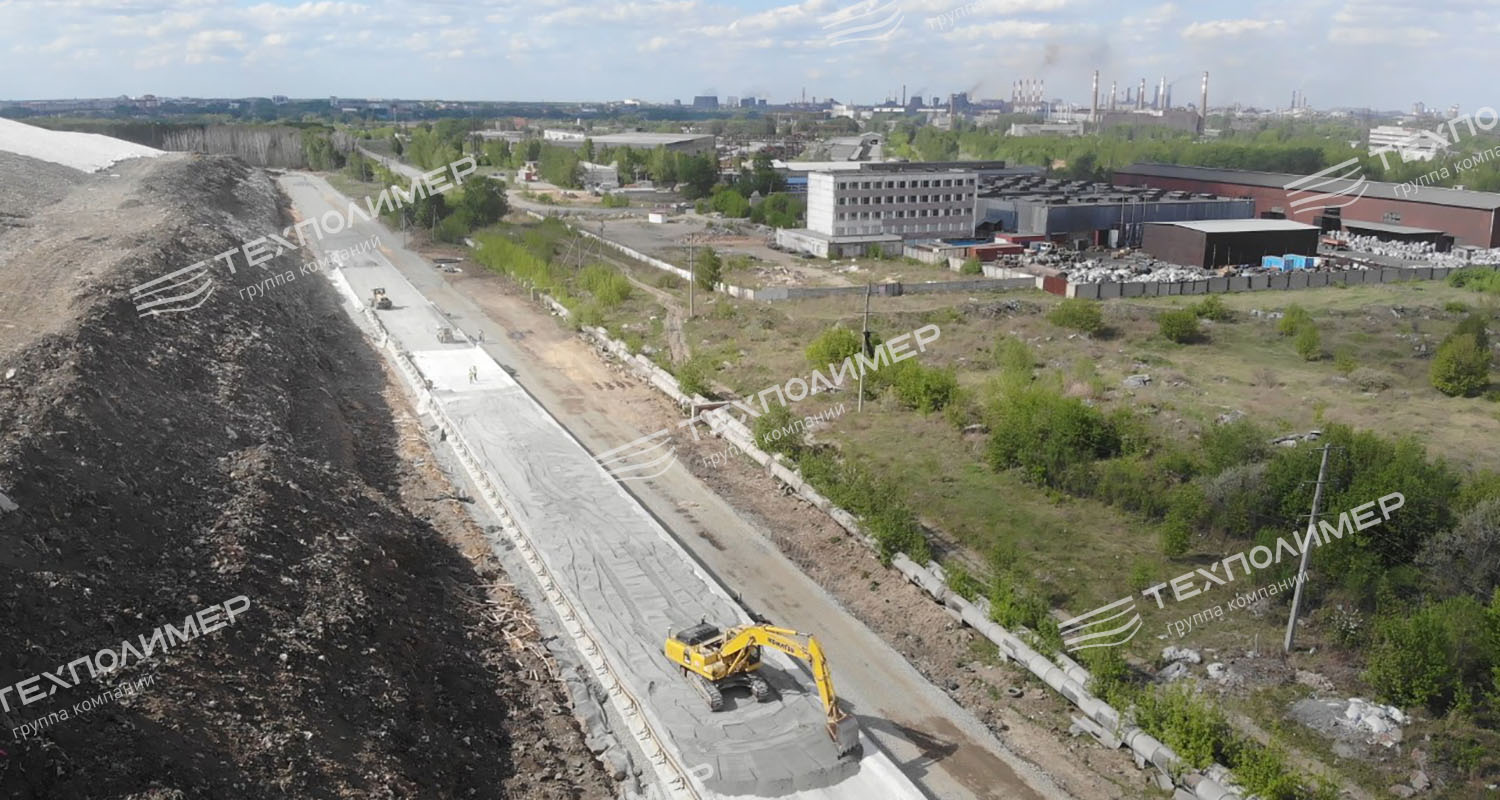
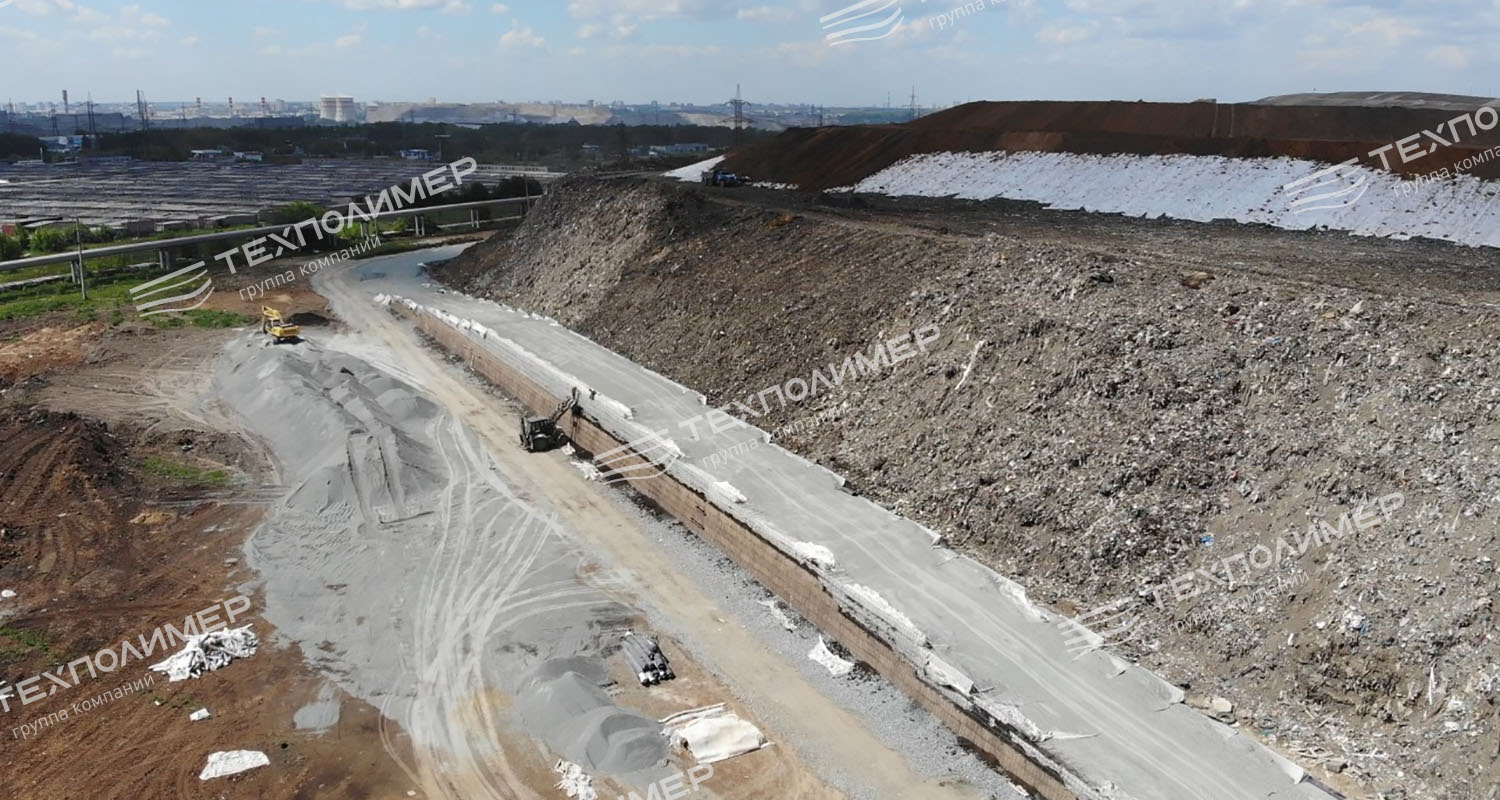
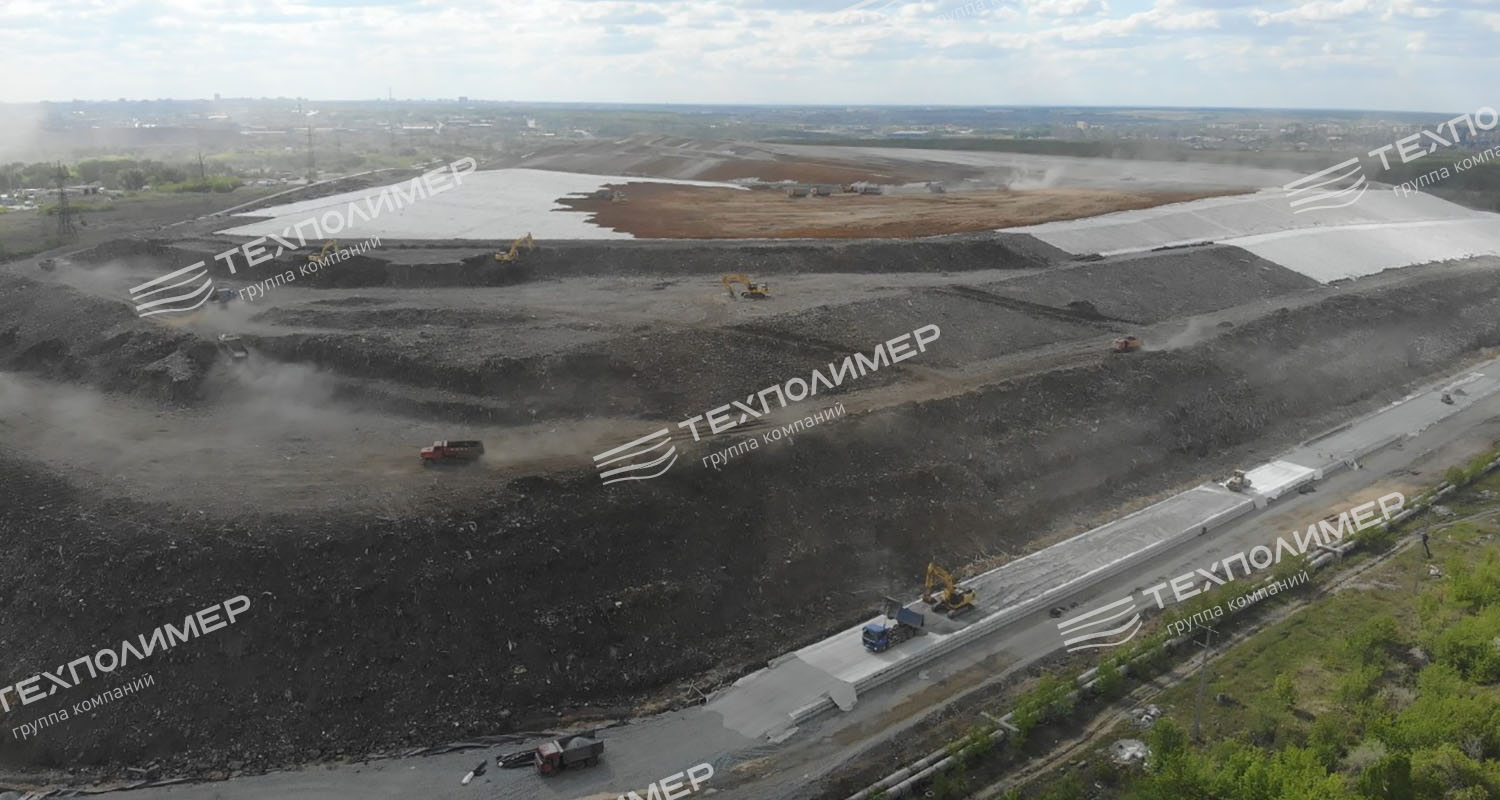
The Chelyabinsk municipal landfill was operated from 1949. During its operation, the volume of waste placed at the landfill amounted to 17.5 m³. The waste disposal area was approximately 55 ha. The landfill reached a height of up to 45 metres.
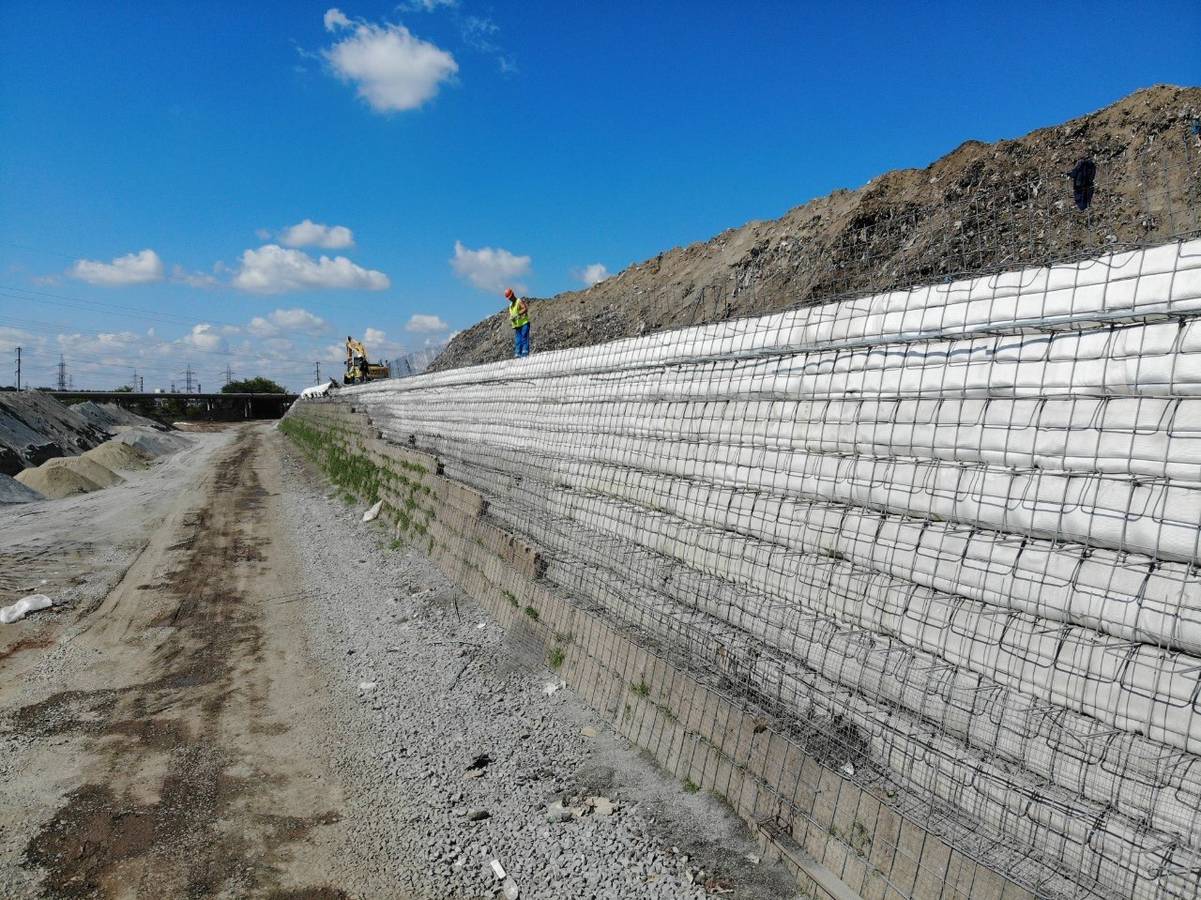
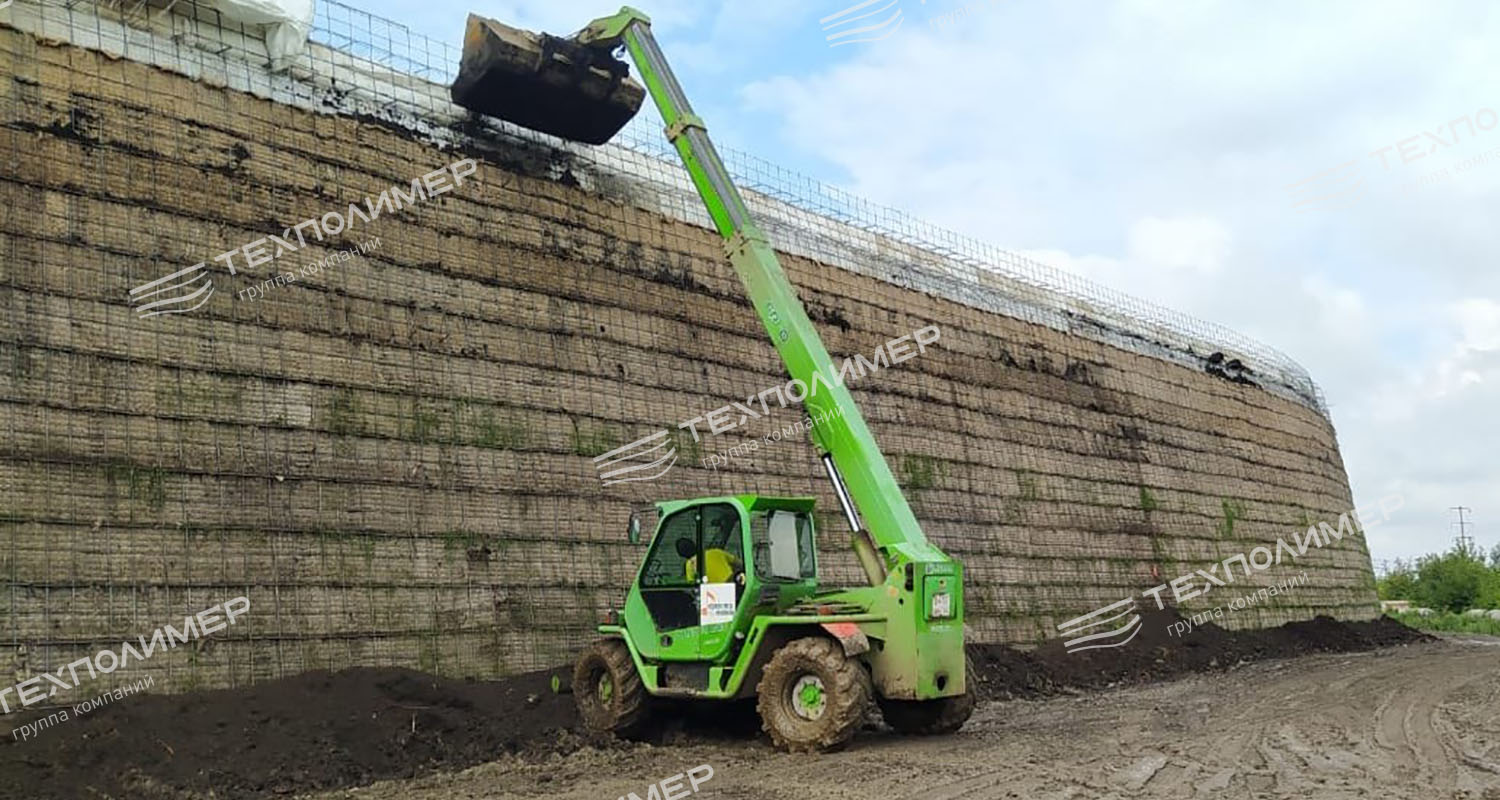
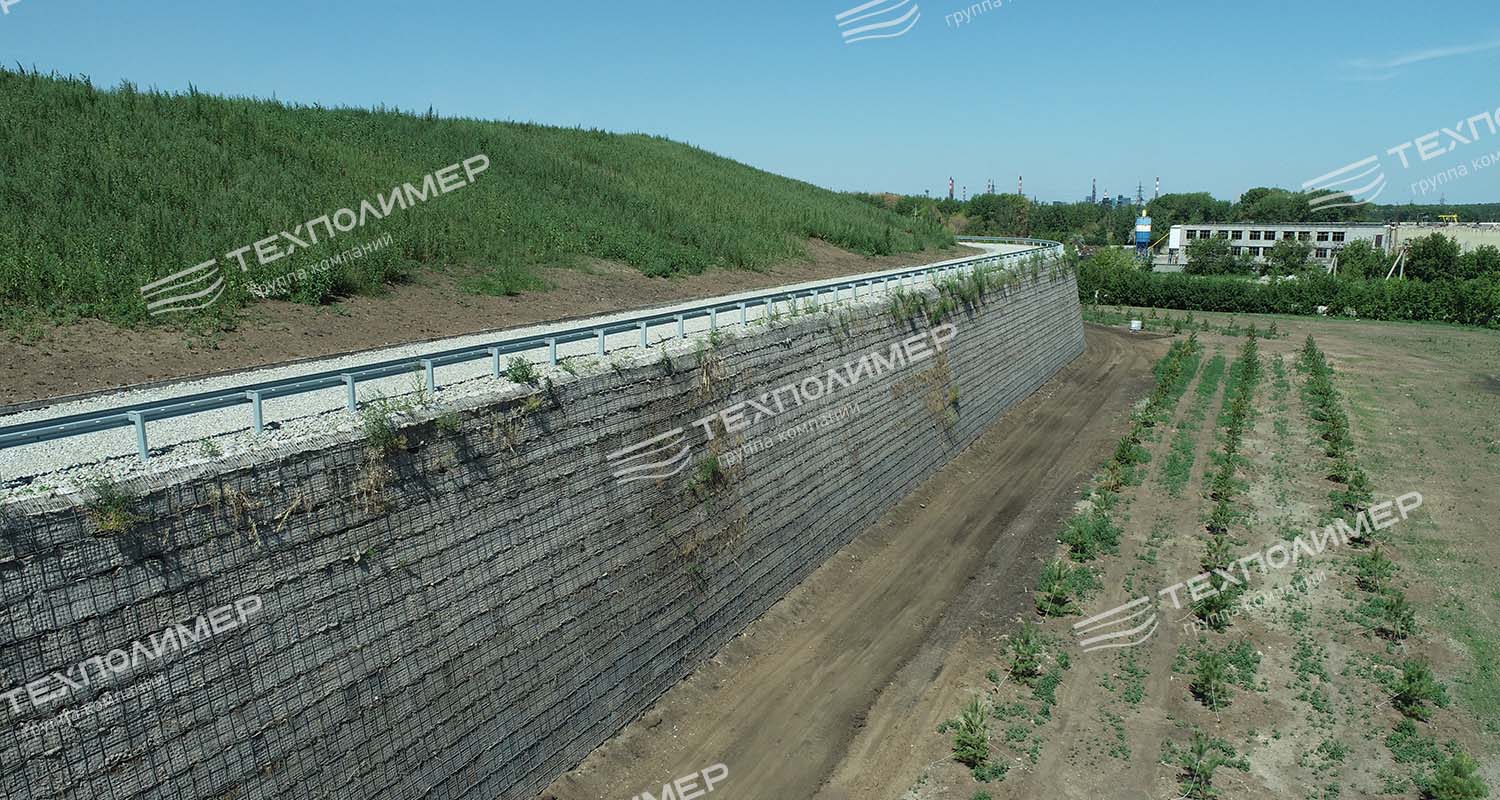
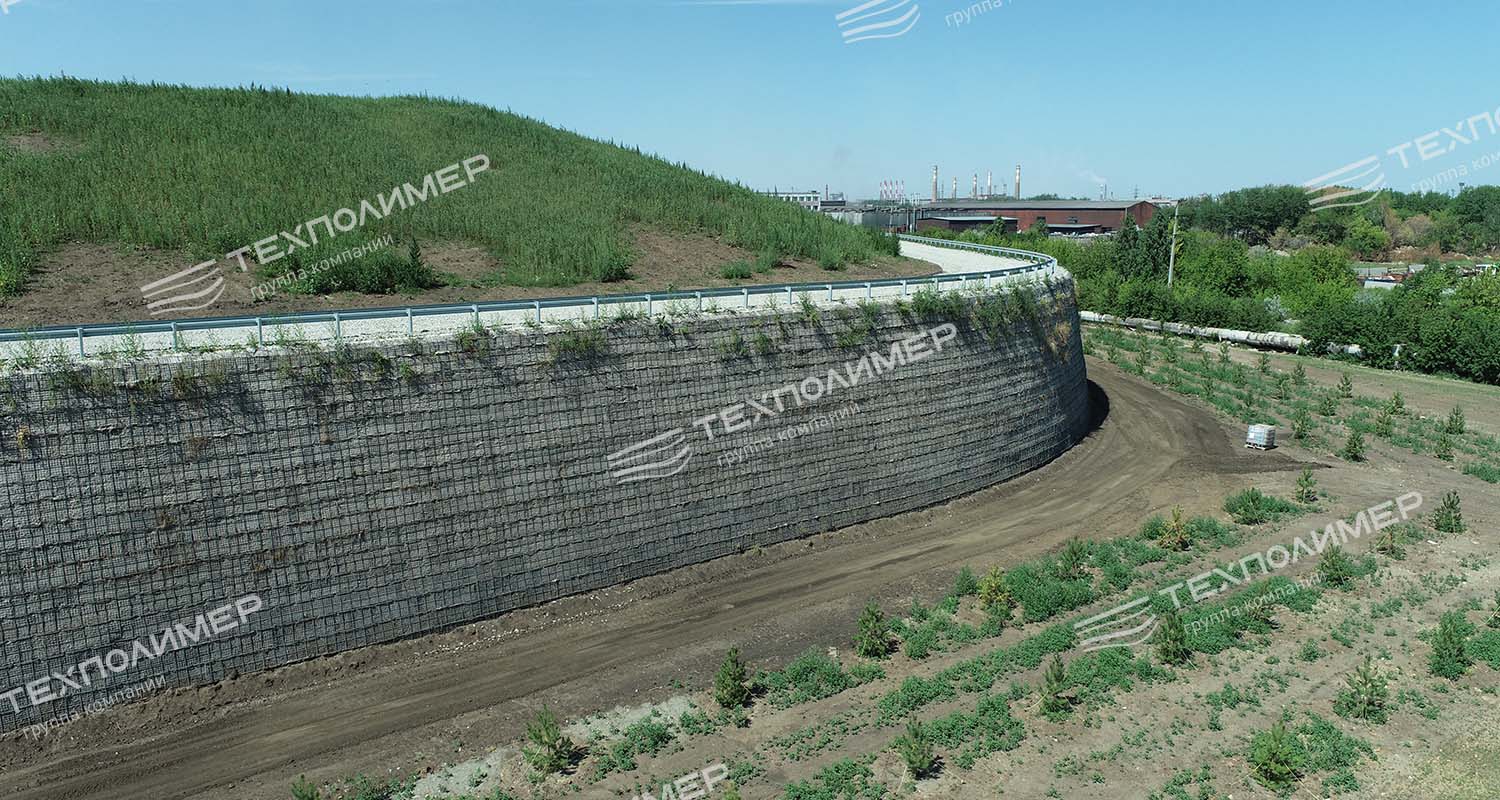
As part of the reclamation works, the landfill body was shaped by grading and forming slopes with a standard inclination angle. Since the landfill height was disproportionate to its area, it became necessary to construct a reinforced-soil retaining wall.
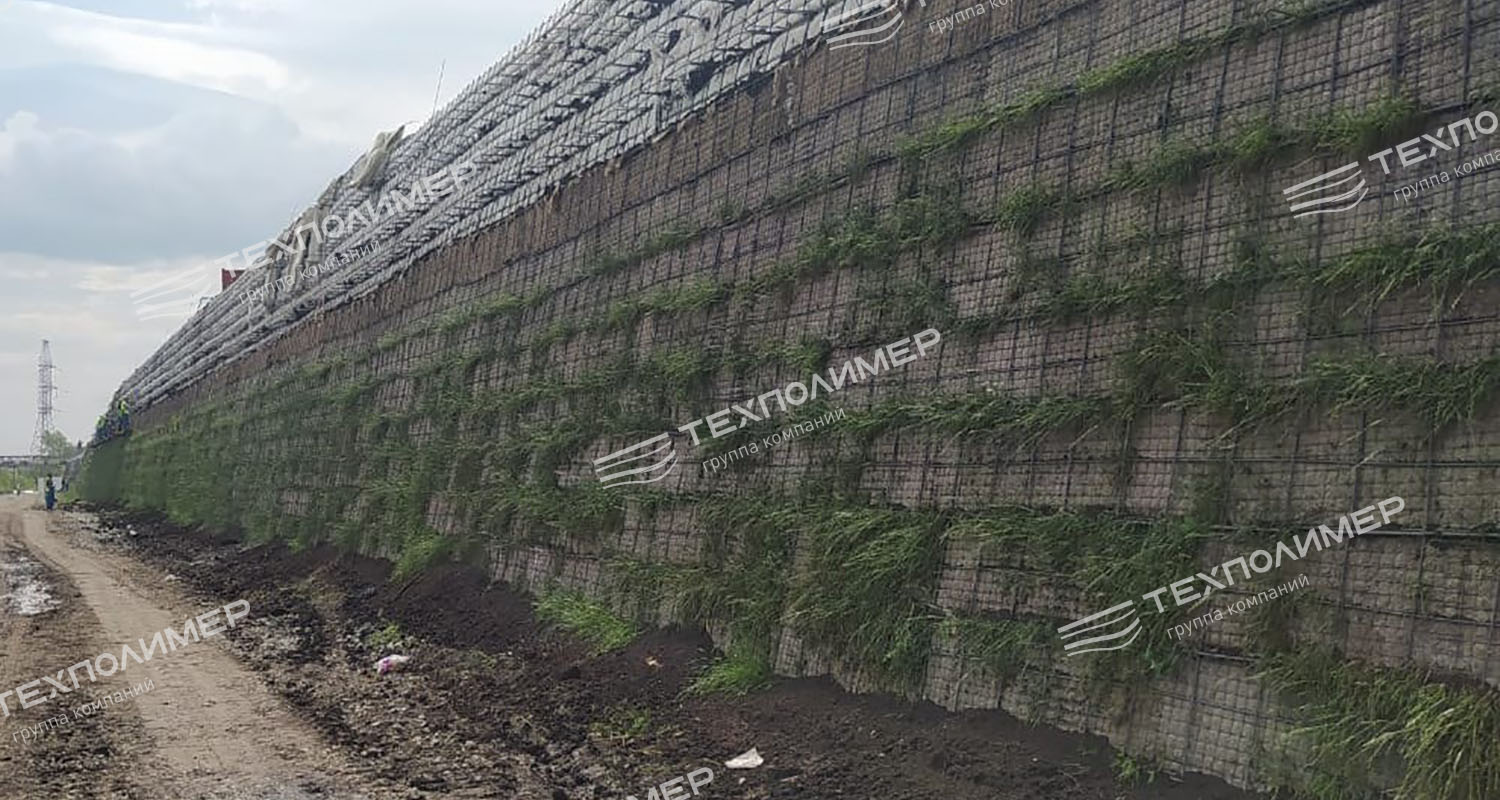
SolutionReinforced-soil retaining wall using the «TEXPOLIMER» technology and geosynthetic materials manufactured in-house. This effective engineering solution is designed to keep the landfill within the boundaries of the allocated site. The structure prevents waste from spreading to adjacent areas and is built around the landfill perimeter.
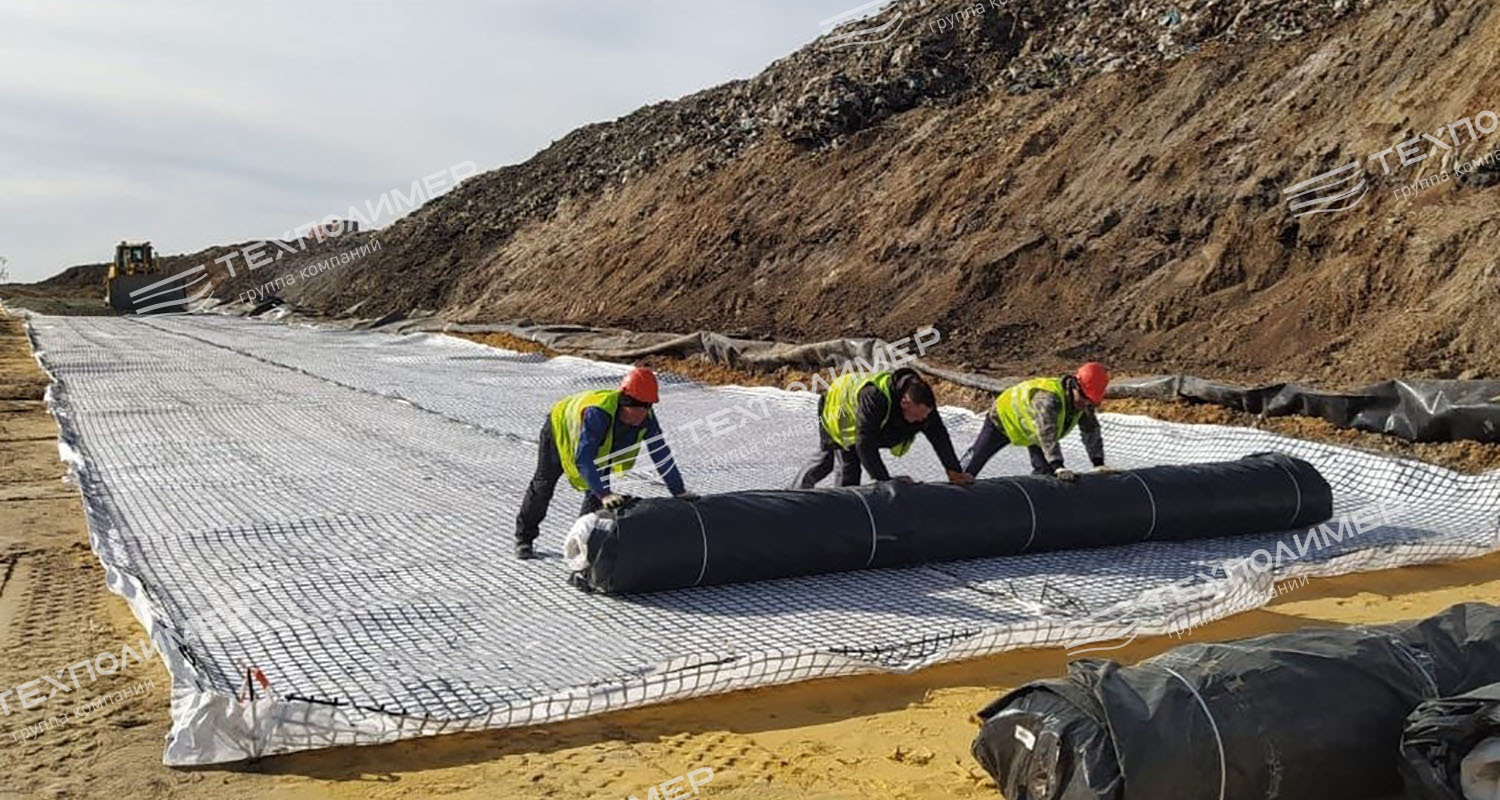
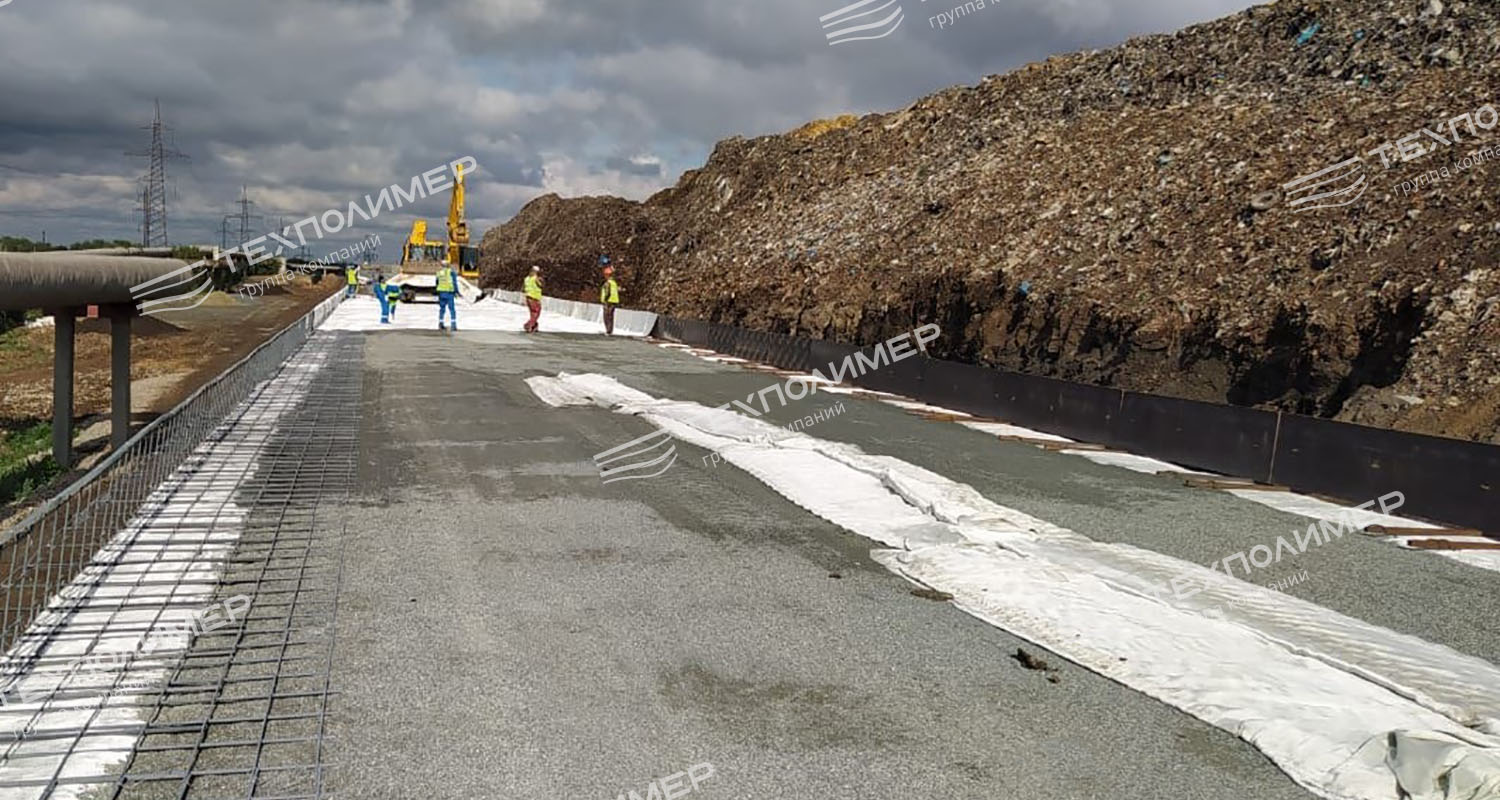
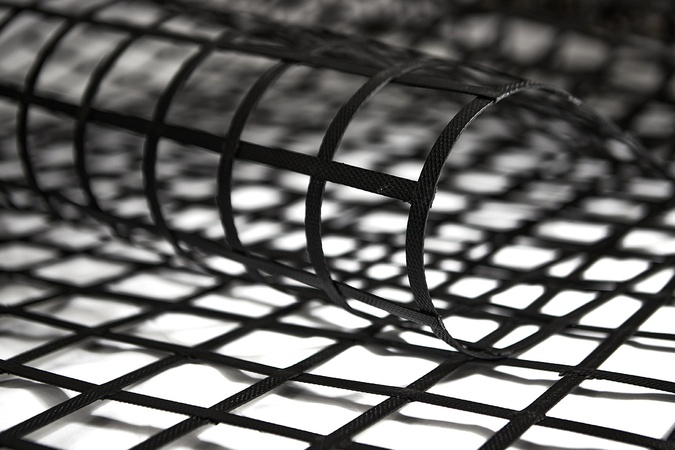
Before the main part of the wall is constructed, a crushed-stone base is prepared and reinforced with a flat Geogrid RD made of high-strength composite strips, which increases the maximum permissible load on the structure’s foundation.
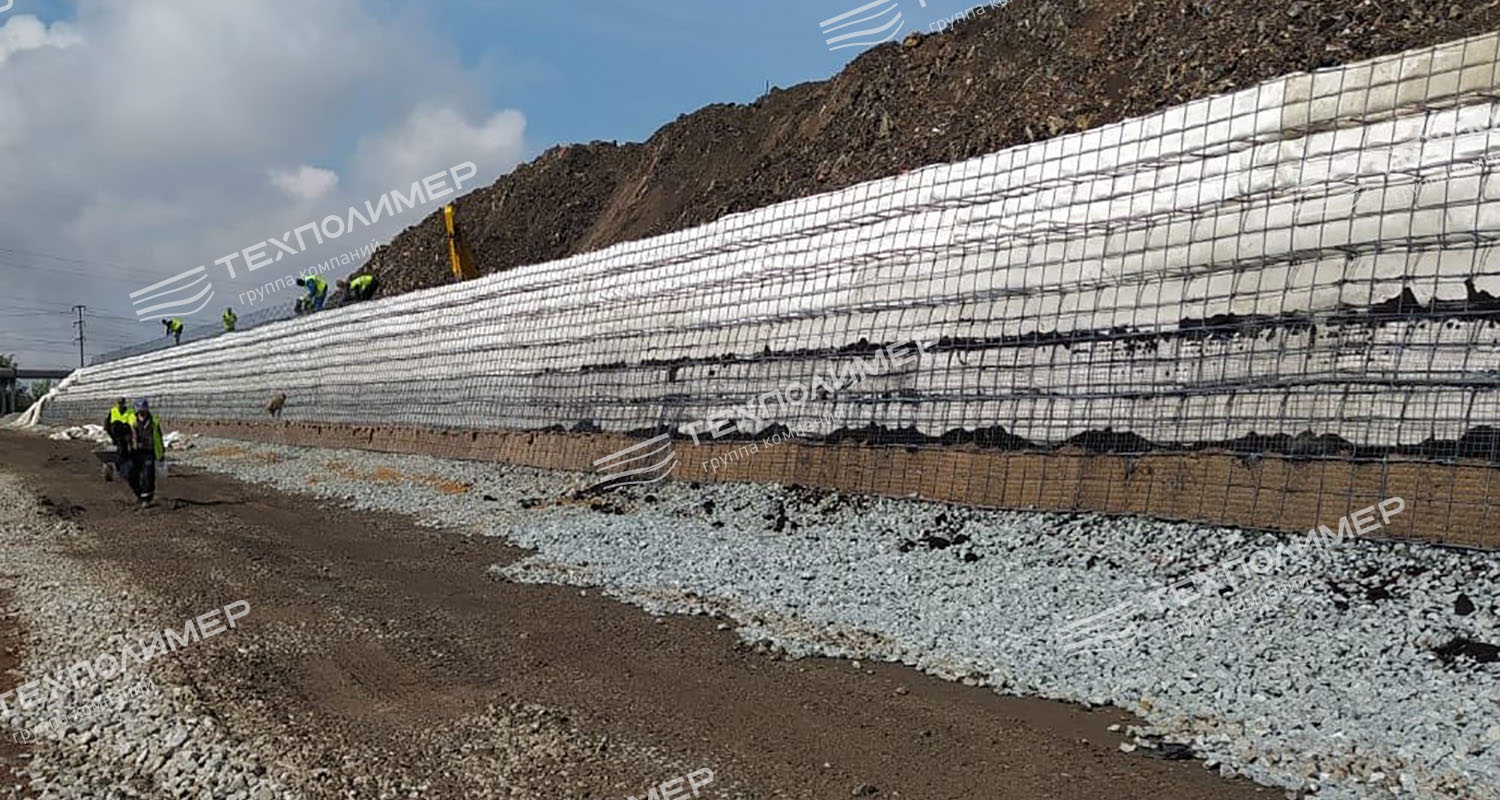
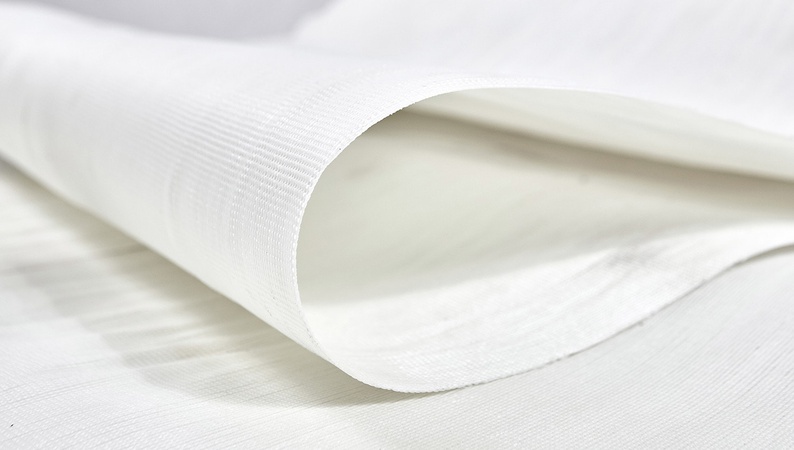
The load-bearing structure of the reinforced-soil wall is made of «stabilizing primer» woven geotextile, wrapped into compartments that are filled with sand or a sand-and-gravel mixture and compacted in layers. «stabilizing primer» has high tensile strength and is resistant to mechanical damage.
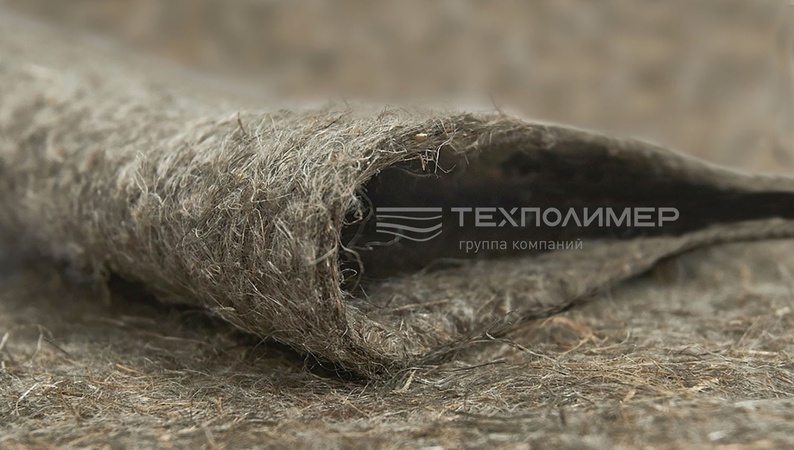
The retaining wall is faced with a specially developed mesh system, which is filled with soil and incorporates «biomat» vegetation mat to promote the rapid growth of perennial grasses.
Technology Advantages- High strength of the reinforcing material and the structure as a whole
- Resistance to uneven settlement of the foundation
- Cost-effectiveness and ease of construction compared with traditional solutions
-
Gallery
-
Reinforced-soil retaining wall at a landfill in Chelyabinsk