Hydraulic Engineering Construction
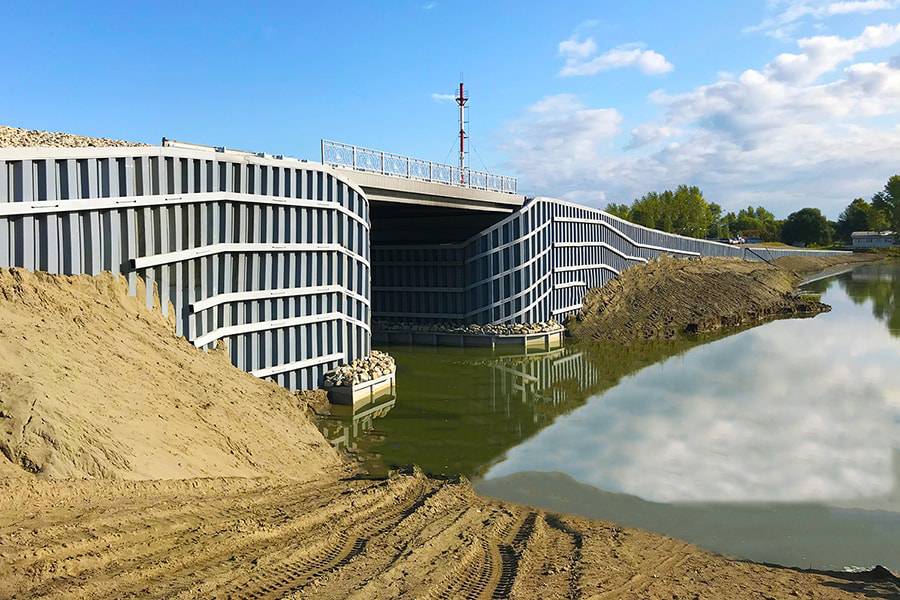
A comprehensive approach to the construction and repair of hydraulic structures involves the use of geosynthetic materials to address a range of tasks, from bank protection to erosion control for the site and the creation of drainage systems.
Standard Solutions
-
Bank ProtectionProduct Types
-
Dams
- With an anti-filtration diaphragm
- With a waterproofing liner
- Embankment in Constrained Conditions with Access Road
- Seepage control protection with access road
- Dam Raising
- Erosion protection with vehicle access
- Rapidly constructed dam with a concrete lining
- Rapidly constructed dam with a geotube and protection using BNM mats
- Temporary Geopile Sheet Dams
- Temporary Geospunt Sheet Pile Dams with Backwater
Product Types -
Product Types
Protection of shorelines against erosion processes
Shore protection is an important stage of the environmental rehabilitation of a water body, as erosion products are the main source of siltation. This is particularly important in weak soils and in areas where waves and currents can wash away the shoreline of a water area.
Specialists of TEXPOLIMER Group develop and implement innovative technical solutions using high-quality modern materials resistant to corrosion, abrasion, cracking, temperature fluctuations and UV radiation.
Waterproofing of structures
Protecting structures against moisture or groundwater ingress is a critical part of the construction or rehabilitation of facilities, ensuring their reliability and durability.
Geosynthetic materials play an important role in the high-quality waterproofing of various facilities:
- Municipal solid waste and industrial waste landfills;
- Oil production well pads;
- Hydrometallurgical heap leaching sites;
- Sludge and tailings storage facilities;
- Disposal sites for toxic and radioactive waste;
- Storage and emergency reservoirs;
- Dams, reservoirs and seepage cut-off barriers;
- Lagoons (manure storage facilities), silage pits and biogas digesters;
- Artificial water bodies and landscape construction;
- Hydraulic engineering facilities.
The key advantages of using geosynthetics include their absolute impermeability, high tensile strength, chemical resistance and frost resistance.
Channel reinforcement
Uncontrolled water flow can have a destructive impact on channel banks and beds, causing displacement, washout, erosion and other negative consequences. Water flow can seriously damage nearby roads or structures along the bank.
The negative impact of water on the integrity of water body channels can be prevented with advanced engineering solutions and high-tech geosynthetic materials.
TEXPOLIMER Group offers standard designs for reinforcing and waterproofing channel beds using geosynthetic materials, based on the specific features and complexity levels of each facility.
Applications of the designs:
- Roadside drainage ditches;
- Intercepting drainage ditches;
- Drainage ditches;
- Artificial and natural channels;
- Sections where natural watercourses have been straightened.
Advantages of reinforcing channels with geosynthetics:
- No water infiltration into the foundation soils and, consequently, no saturation of these soils or reduction in their physical and mechanical properties;
- Prevention of permafrost thawing caused by seasonal soil waterlogging;
- Prevention of general and local washout;
- No destruction of structures located in the immediate vicinity of artificial and natural watercourses as a result of washout;
- Prevention of channel meandering.
Water body cleaning and dredging
The removal of bottom sediments is an important stage of the environmental rehabilitation of a water body, as silt deposits not only cause shallowing but also absorb waste entering the water body and accelerate the pollution of rivers or lakes.
In most cases, silt deposits are removed hydraulically using dredgers. However, this results in the pumping out of a significant amount of water that is unsuitable for direct return to the water body and requires settling and treatment.
The problem of bottom sediments is addressed using filtering fabric systems — TEXPOLIMER Geotubes. These are large containers made of woven geotextile fabric that retain slurry and silt inside while allowing water to pass through the walls.
The resulting sediment has a solid consistency and can be used as fertile soil for reclaiming the area adjacent to the water body or, if the silt is heavily contaminated by industrial pollution, transported away and disposed of at a dedicated landfill.
Advantages of using geosynthetics in the industry:
- Reduced material consumption through a reduction in the volume of earthworks, fill placement and compaction of the clay seepage-control screen;
- Optimised construction cost and schedule;
- Reduced negative impact on the environment of nearby permanent and temporary natural watercourses.
Completed projects
-
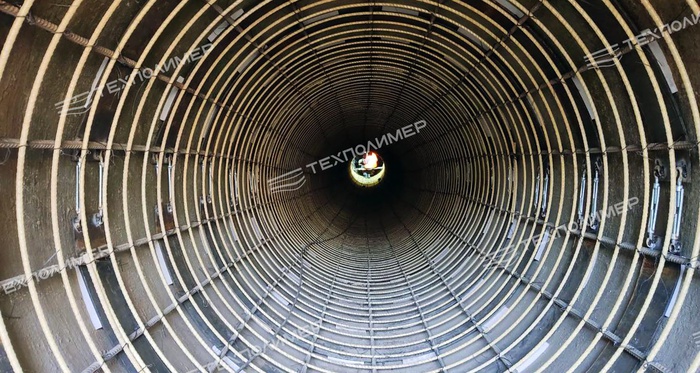 Repair of Hydraulic Water-Passage Structures
 -
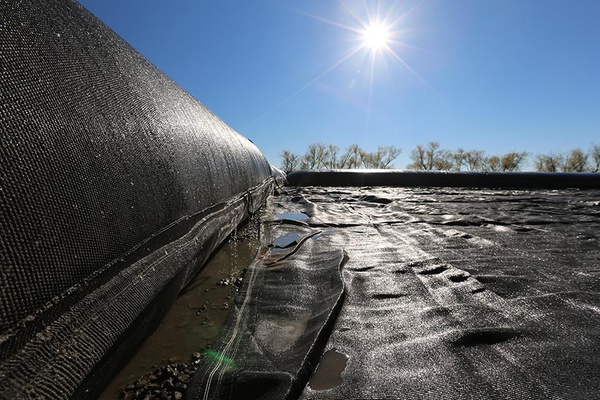 Rehabilitation of the Zavyalovo Lake Ecosystem
 -
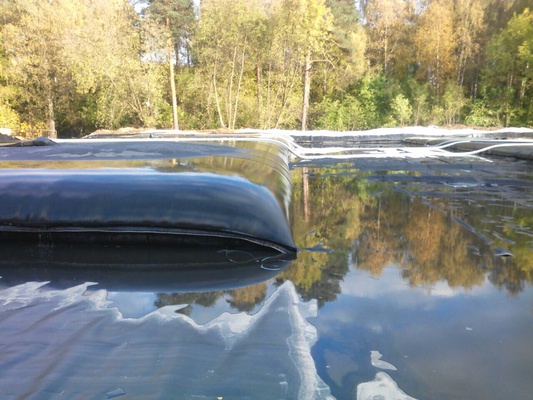 Environmental rehabilitation of the Pekhorka River
 -
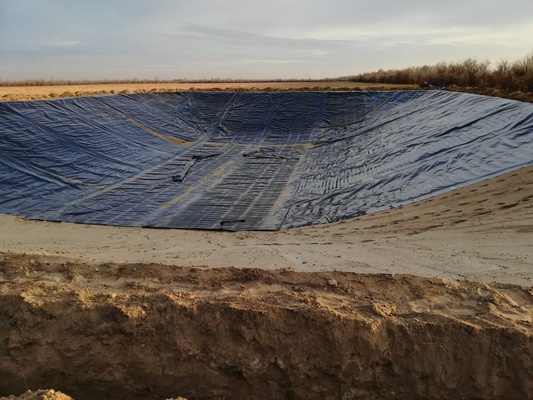 Storage reservoir for irrigation systems
 -
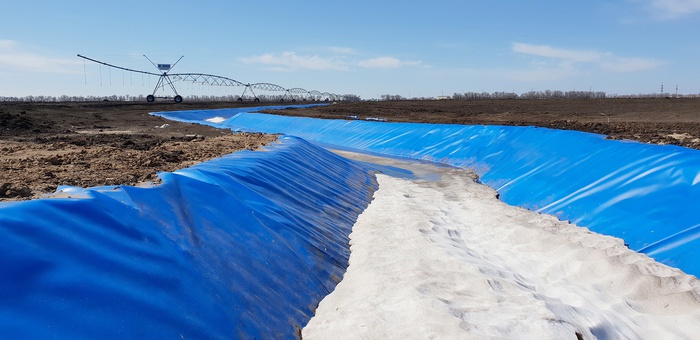 Seepage barrier for an irrigation canal
 -
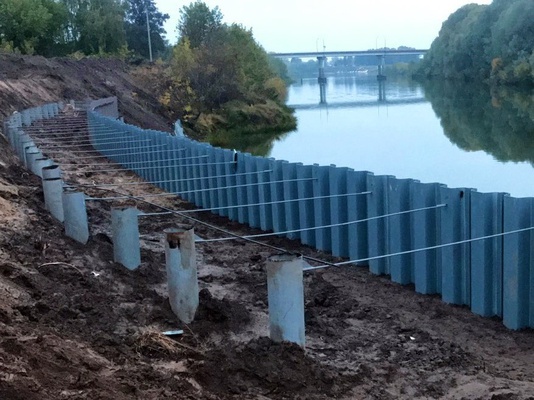 Moksha Riverbank Reinforcement Using Geoshpunt and Anchor Ties
 -
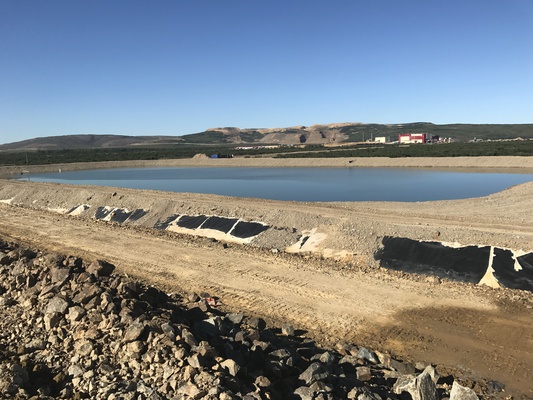 Waterproofing of the base and slopes of a settling pond
 -
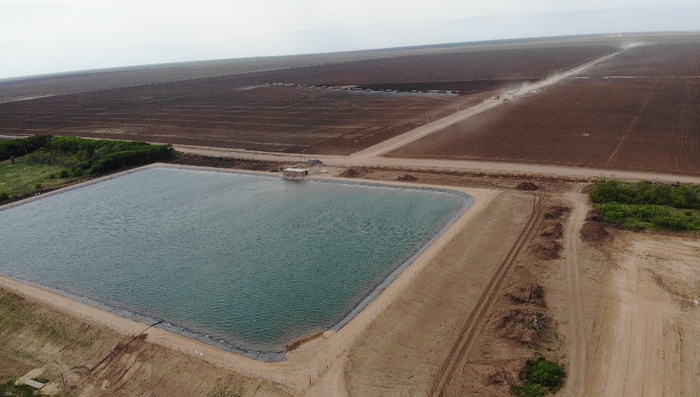 Storage pond for irrigation systems, Pavlodar Region
 -
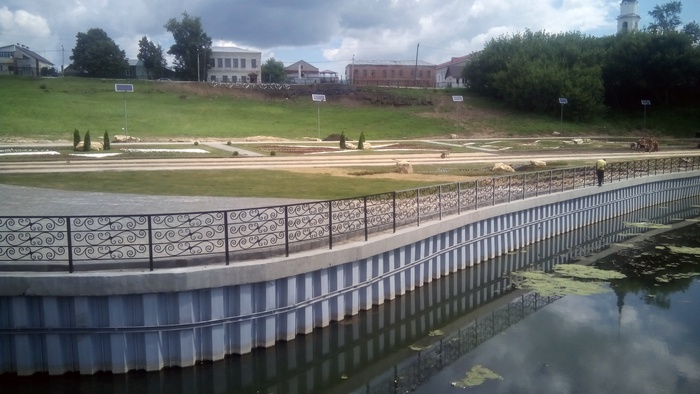 Bank protection and erosion control works
 -
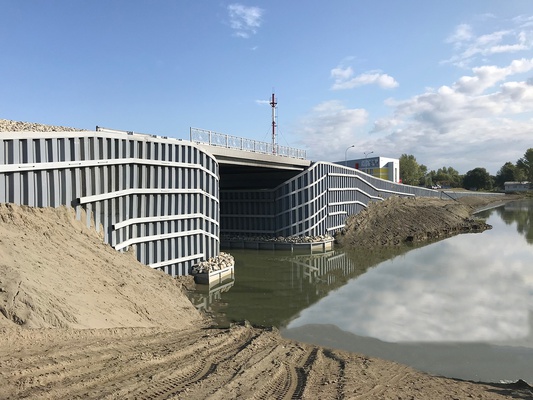 Seepage barrier for bridge embankment cones
 -
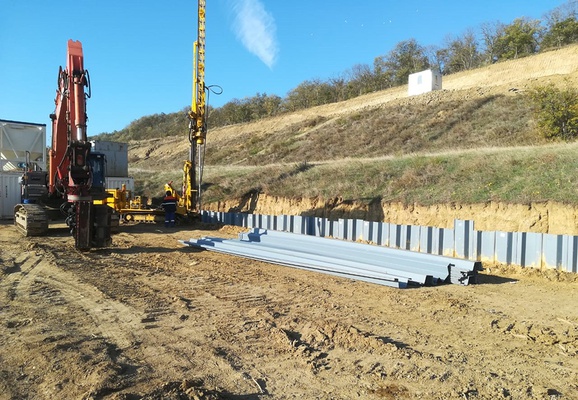 Landslide Protection Structures on a Coastal Slope in the Republic of Crimea