-
Project description
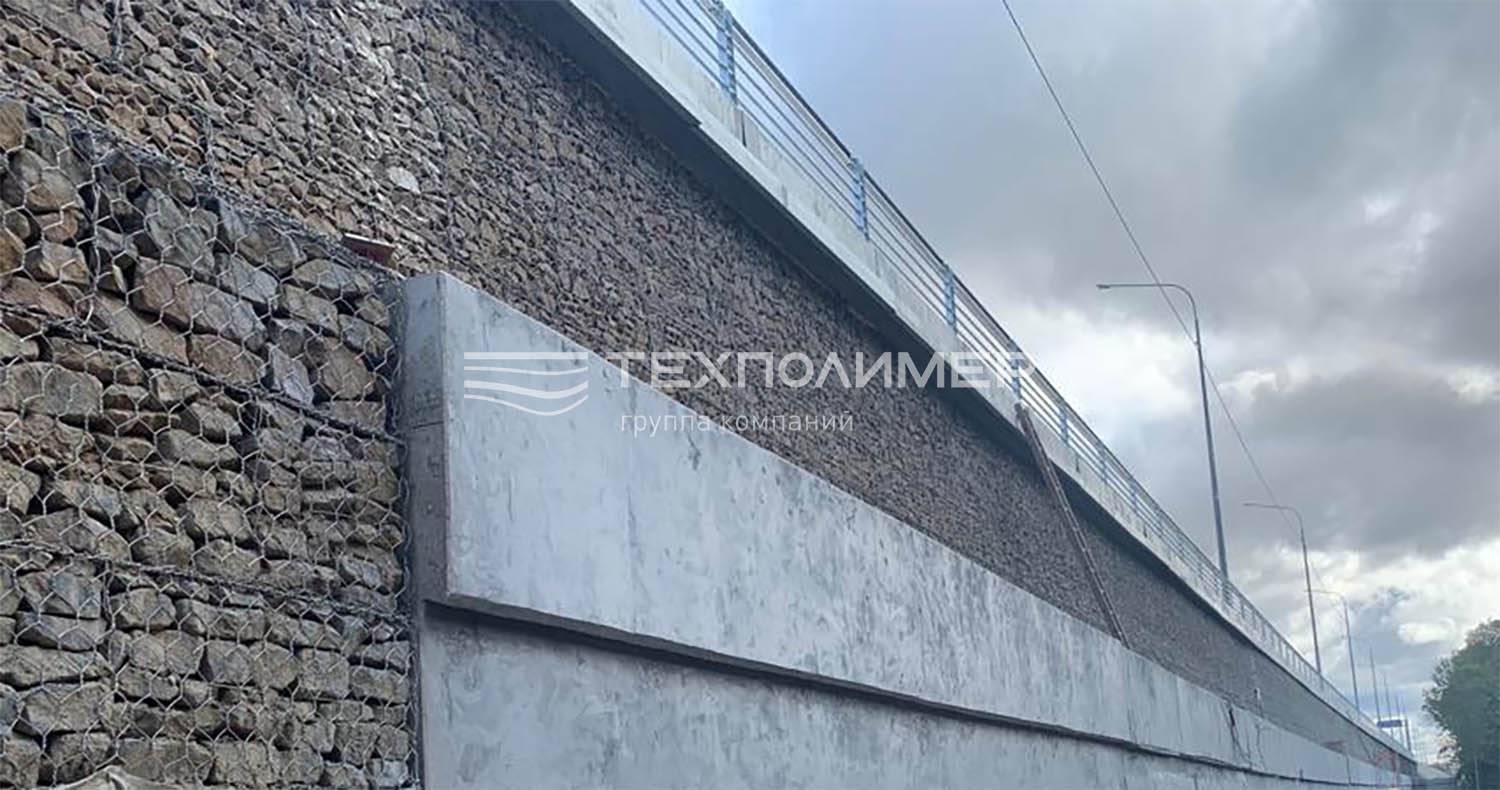
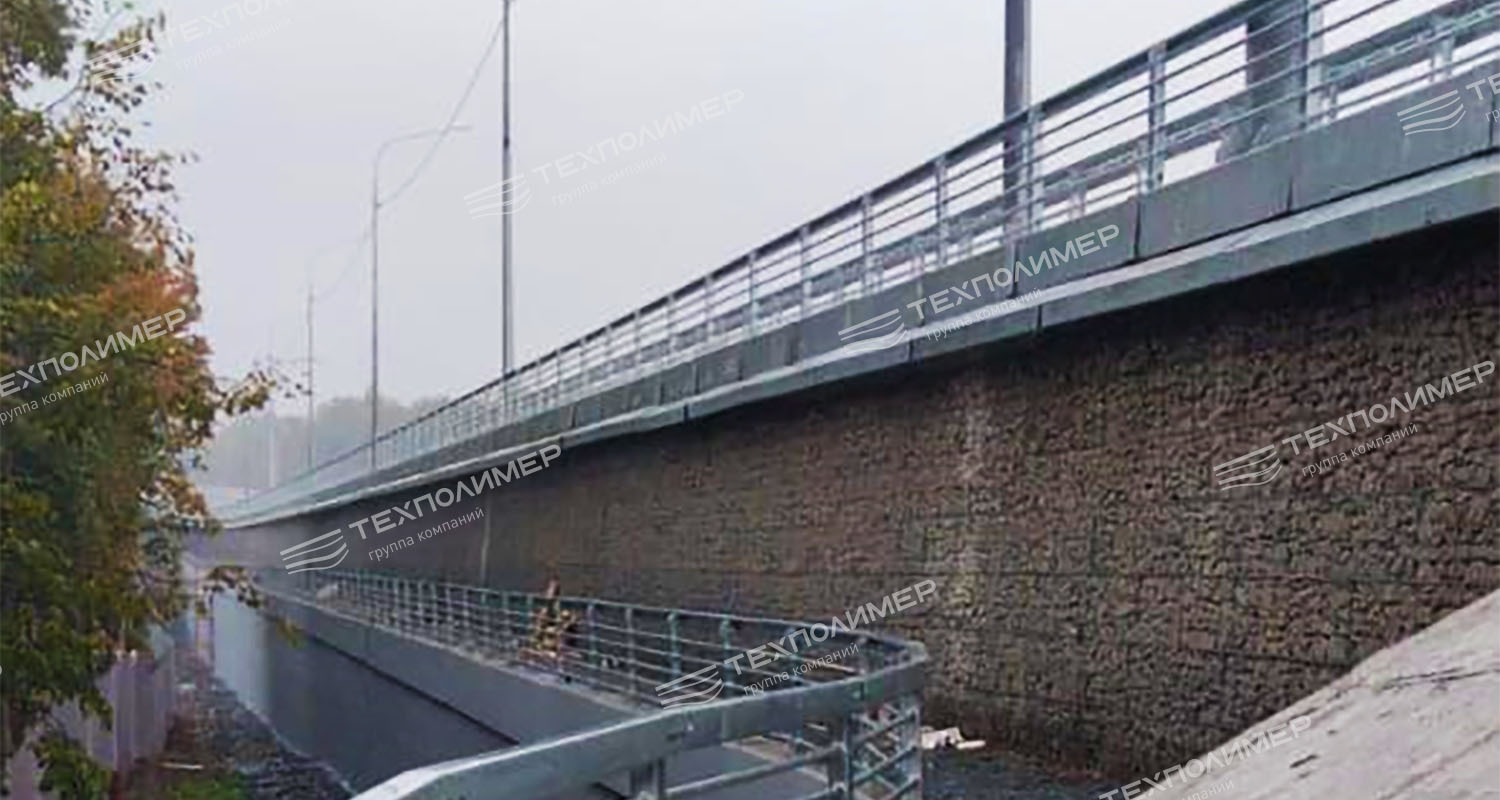
Gabion retaining walls, flow-directing structures and the bridge cone over the Klyazma River at ПК 449+88,07
In accordance with the approved planning project and the design brief, the main parameters of the motorway have been defined as follows:
- motorway class – motorway;
- road category – I а;
- road length – 69.42 km;
- number of traffic lanes – 6 (8).
- road operation arrangement – toll-based.
Road access – the project provides for the construction of three interchanges:
- km 15 interchange with Nosovikhinskoye Highway and the “M7 Volga”–Elektrogli motorway;
- km 43 interchange with the Central Ring Road;
- km 69 interchange with the New Alignment of the Moscow Large Ring Road.
TaskConstruction of a reinforced-soil retaining wall from gabion structures with the installation of horizontal layers of reinforcing geosynthetic materials is required so that the reinforced soil masses can withstand the horizontal earth pressure acting on the retaining wall.
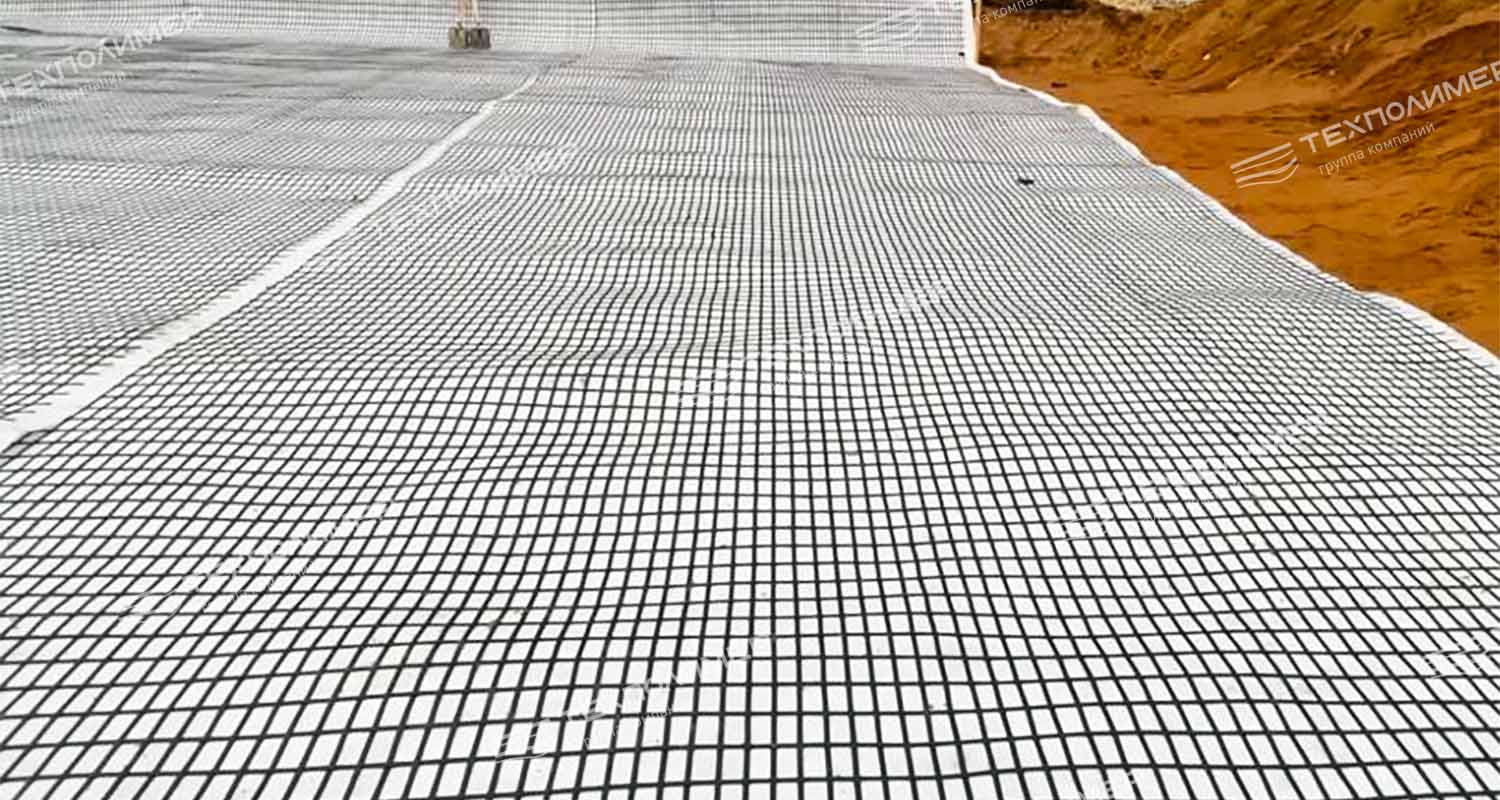
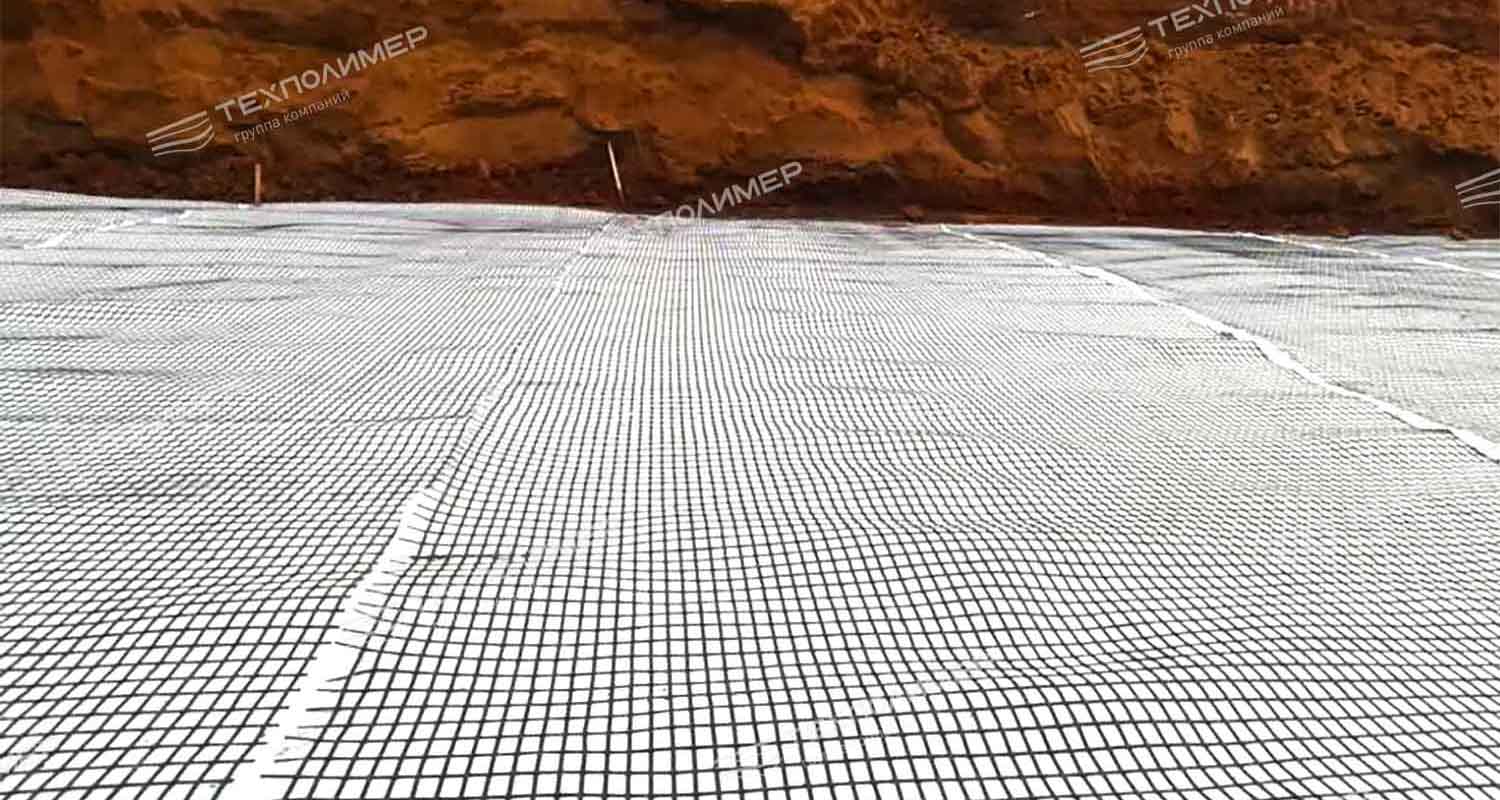
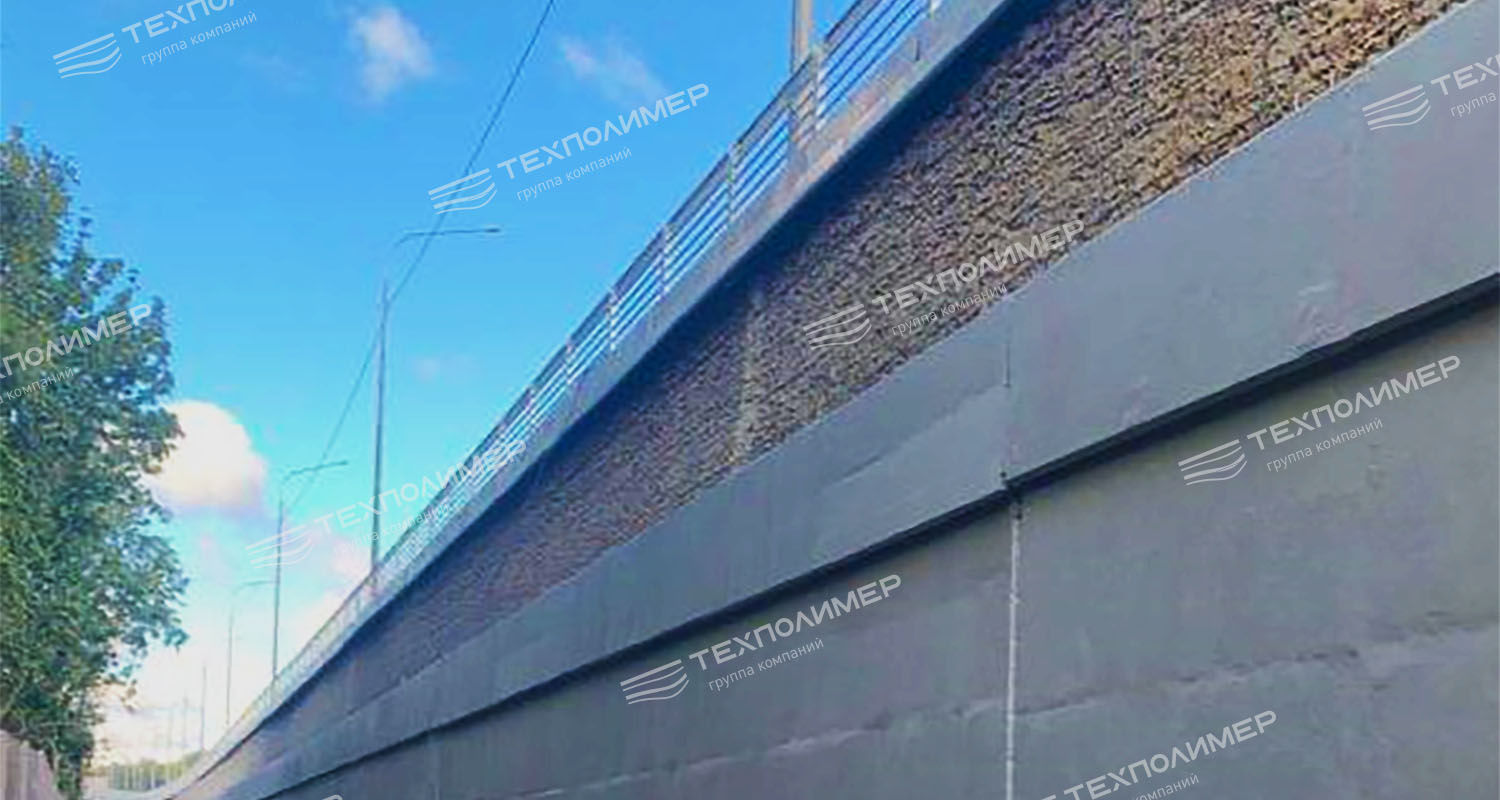
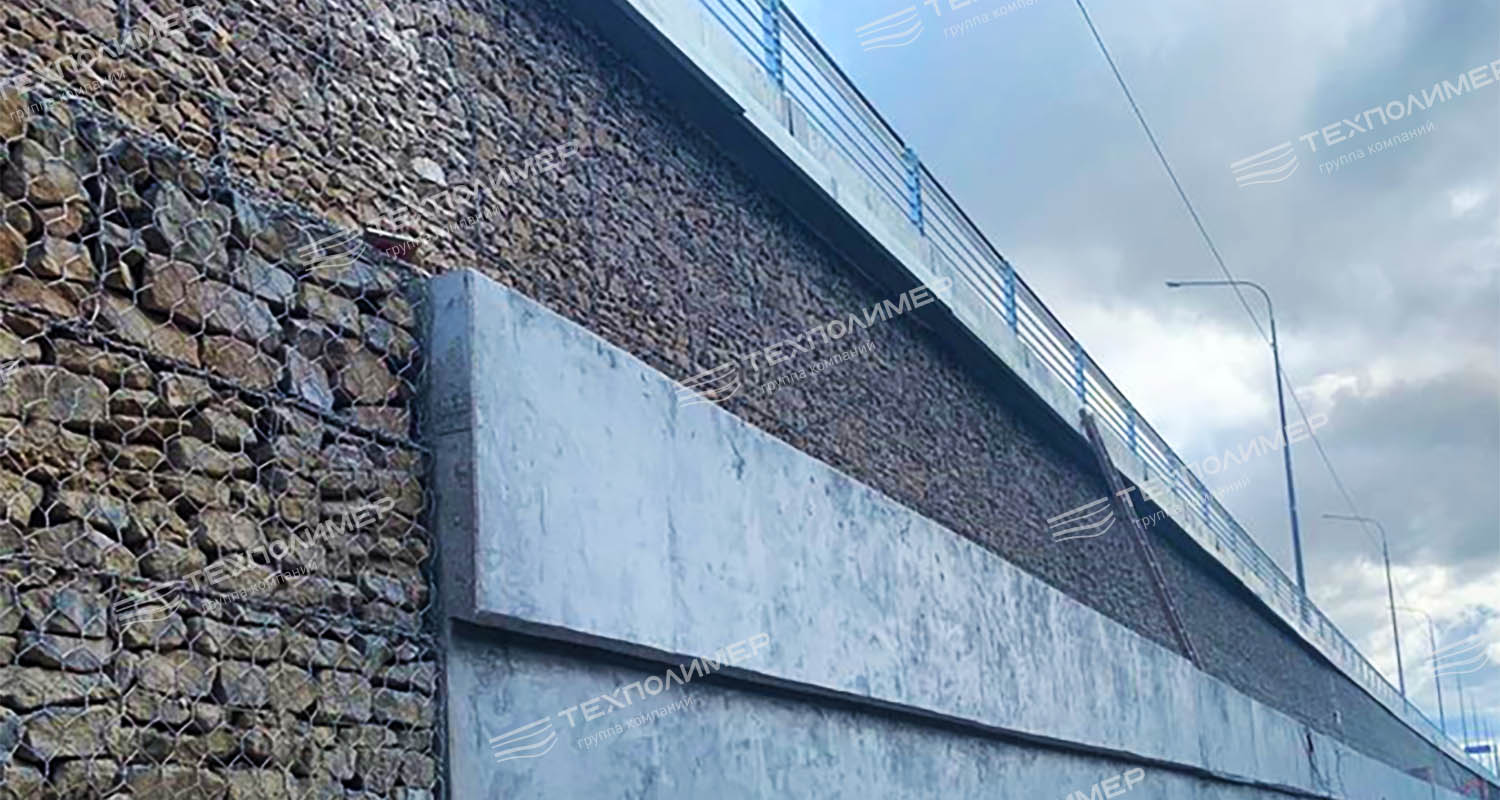
Technical SolutionsThe facing of the retaining walls is made of mattress-type gabions 0.3 m high and box gabions 0.5 m high in accordance with GOST 52132-2003. The gabions are connected to each other with steel wire. In the retaining wall structures, the lateral pressure of the fill is relieved using half-clamps made of RD-100/M250-50*50 road biaxially oriented geogrid (STO 30478650-001-2012), reinforced with carbon spring steel and featuring a protective and drainage coating of nonwoven geotextile. The facing of the retaining wall, made of gabion structures, is connected to the half-clamps using anchor panels made of RD-10050*50 geogrid.
The crushed-stone base of the retaining walls and the base of the mattress-type gabions of the upper tier are covered with nonwoven geotextile with a density of 250 g/sq. m. The geomembrane joints are made using specialised welding equipment. The geomembrane is installed on a prepared sand base 10 cm thick.
AdvantagesThe main advantages of gabion retaining walls using geosynthetics include:
-
durability;
-
reinforced stabilisation using geosynthetic materials;
-
cost-effective use of funds compared with the construction of traditional gravity walls;
-
construction on weak soils;
-
high porosity, allowing water to pass through rather than accumulate in the material’s micropores and damage the structure;
-
high resistance to soil fluctuations and deformations.
-
Gallery
-
Retaining wall on the M12 motorway built with gabions and TEXPOLIMER geosynthetics: RD geogrid, geomembrane and geotextile.