-
Project Information
The waste storage facility of the former Tuvacobalt Mining and Metallurgical Plant at the Khovu-Aksy nickel-cobalt ore deposit is one of the most environmentally hazardous sites in the Republic of Tuva, posing a threat of transregional environmental pollution. The site was mothballed in 1991.
During the 20 years of operation of the Tuvacobalt plant, 1.4 million cubic metres of tailings were generated, containing 1.7 thousand tonnes of cobalt, 2.06 thousand tonnes of nickel, 2.27 thousand tonnes of copper, 231 tonnes of bismuth, 101 tonnes of silver, 107 kg of gold and 43.8 thousand tonnes of arsenic.
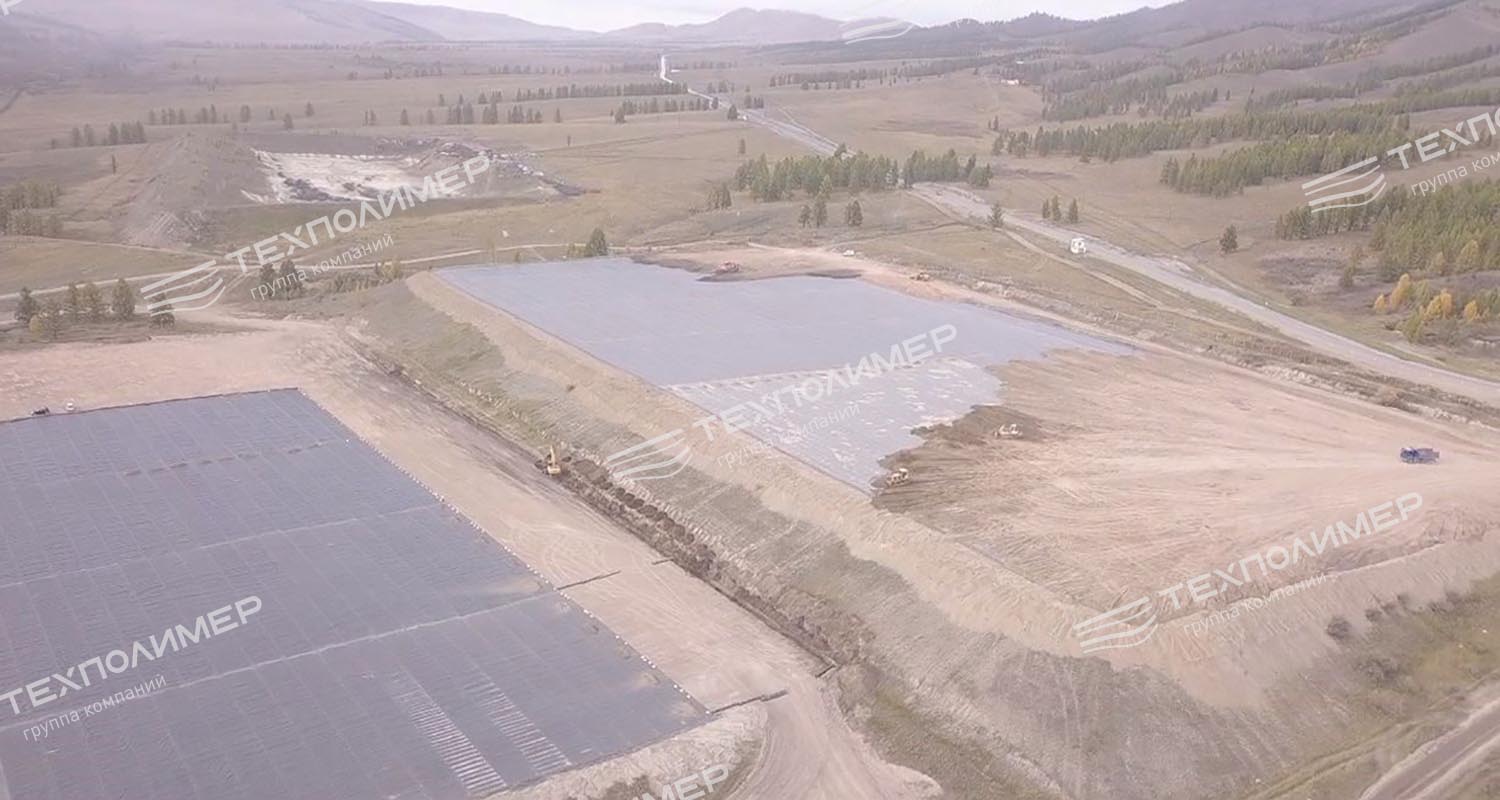
SolutionThe reclamation of waste from the Tuvacobalt plant was carried out in 2 stages:
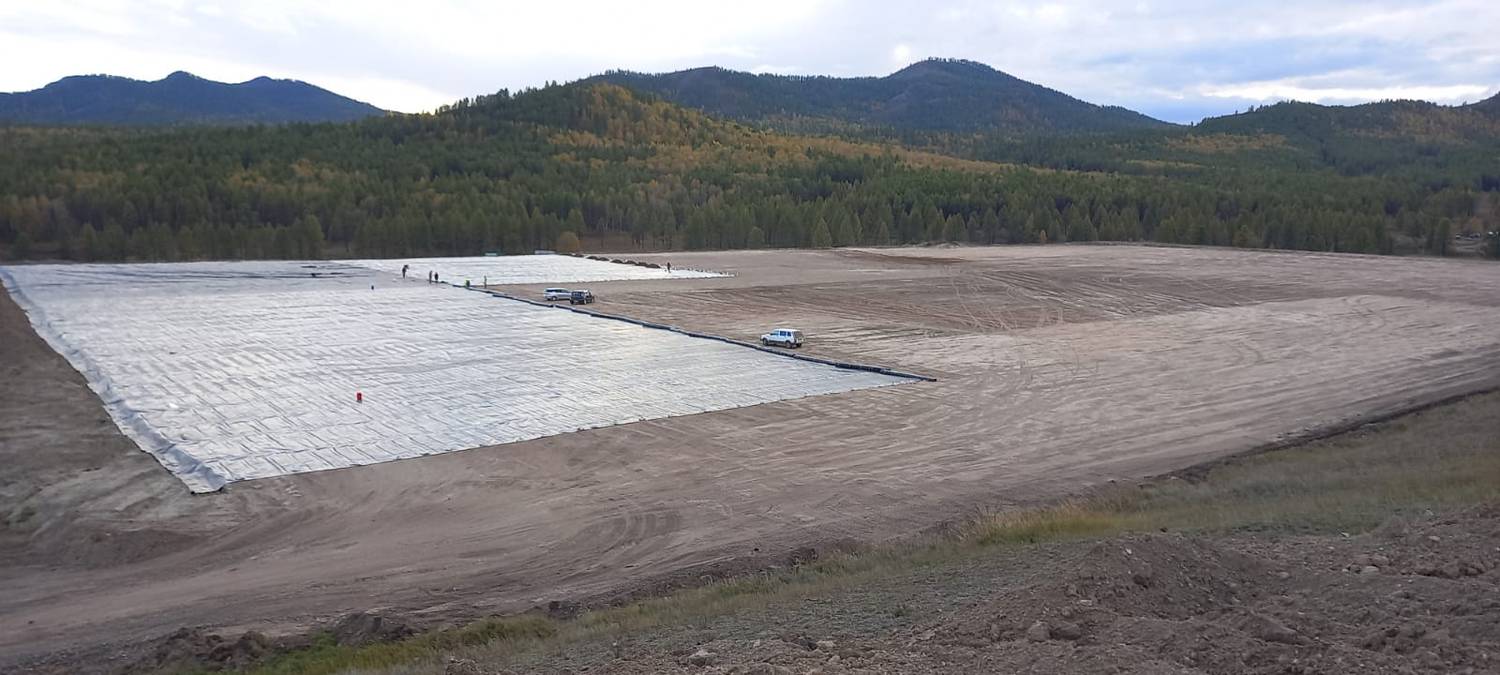
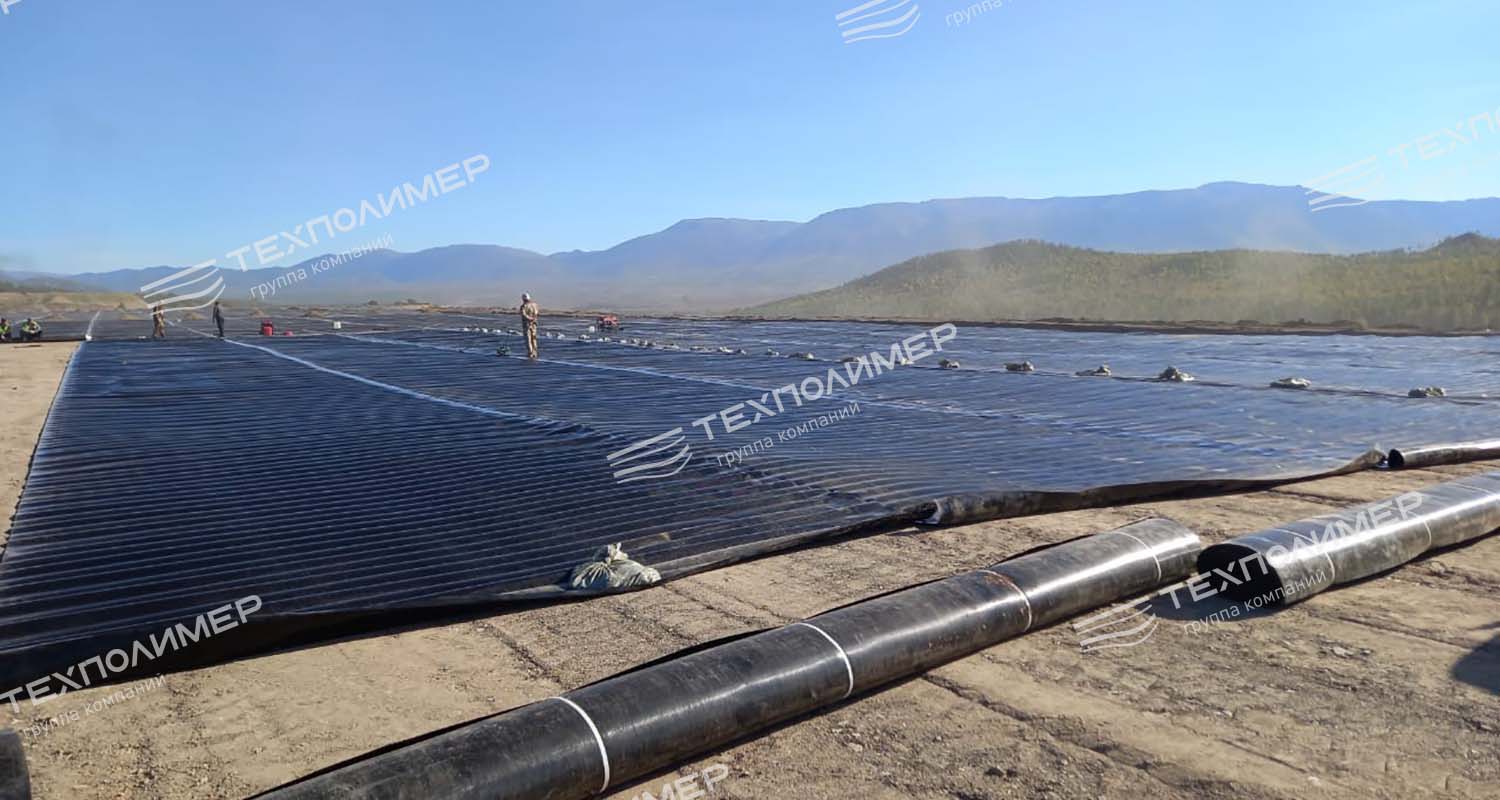
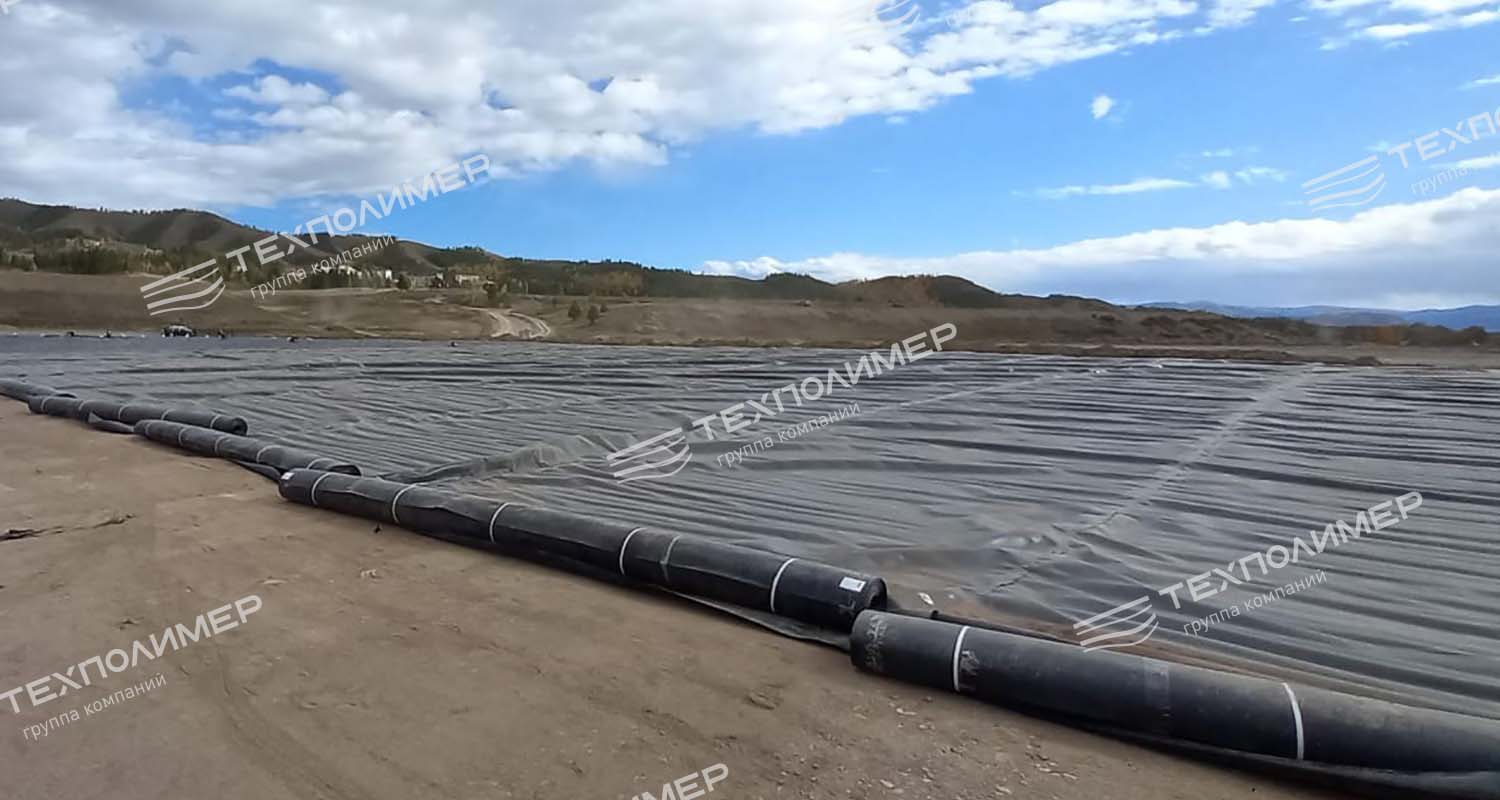
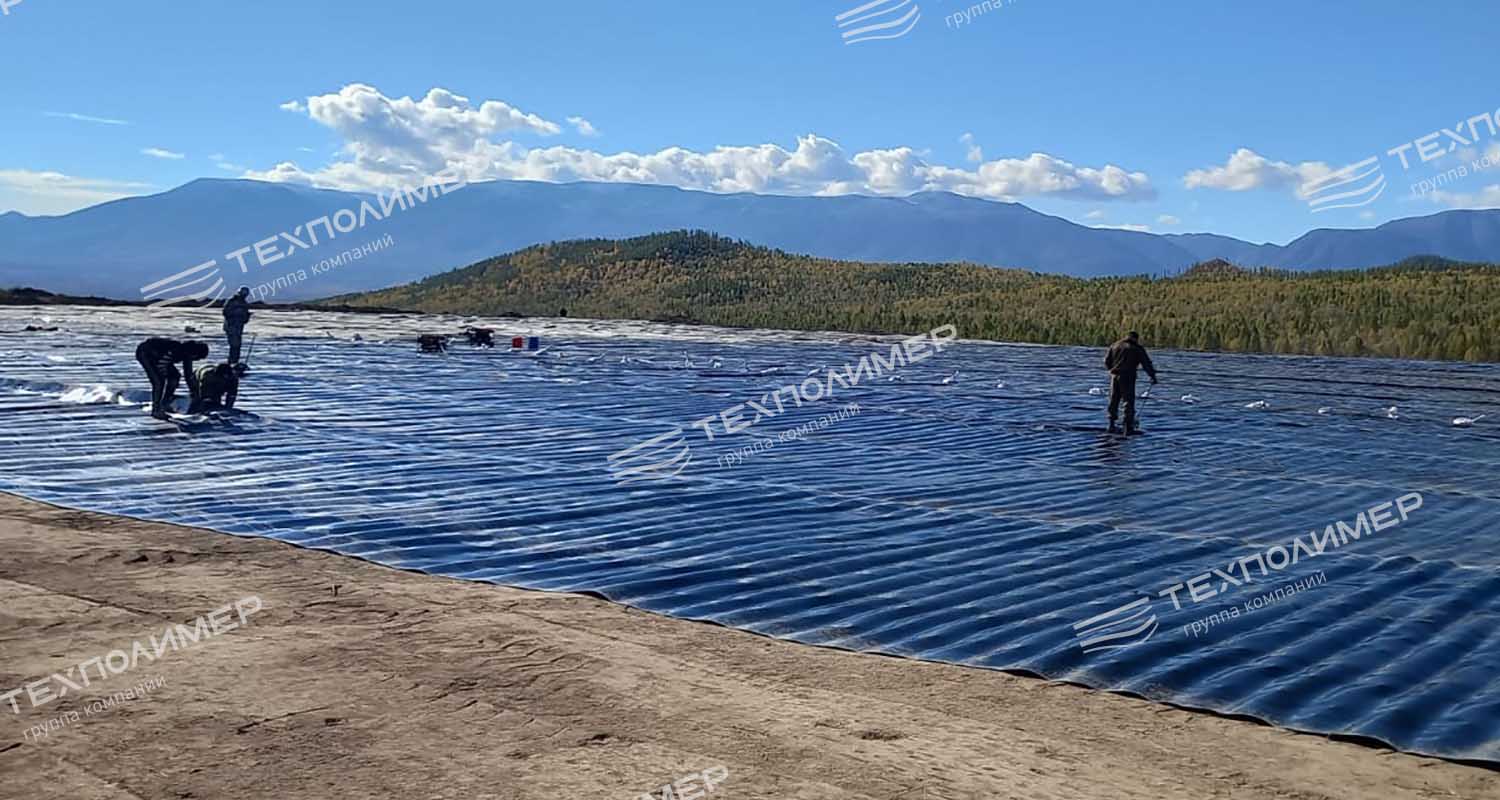
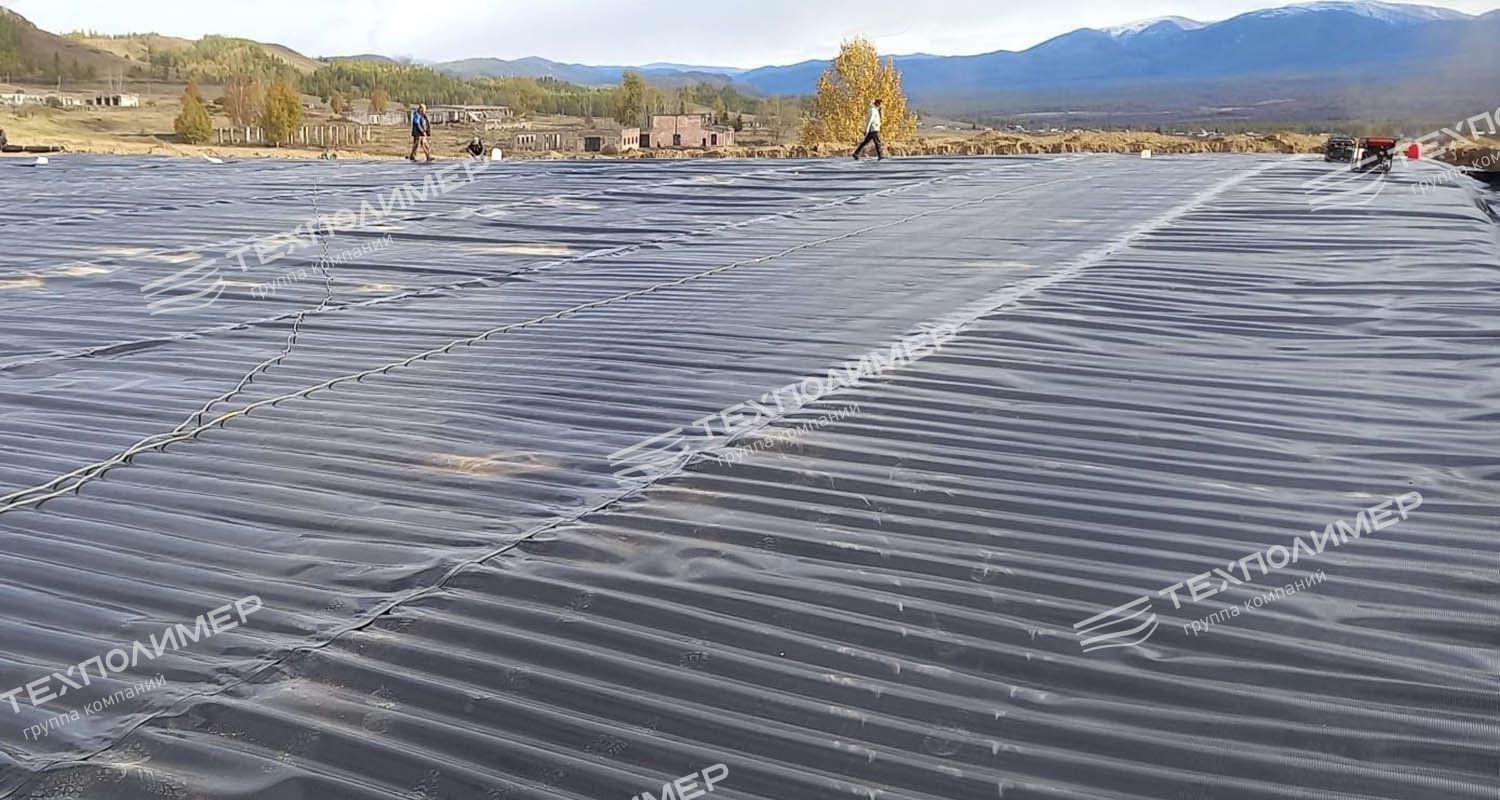
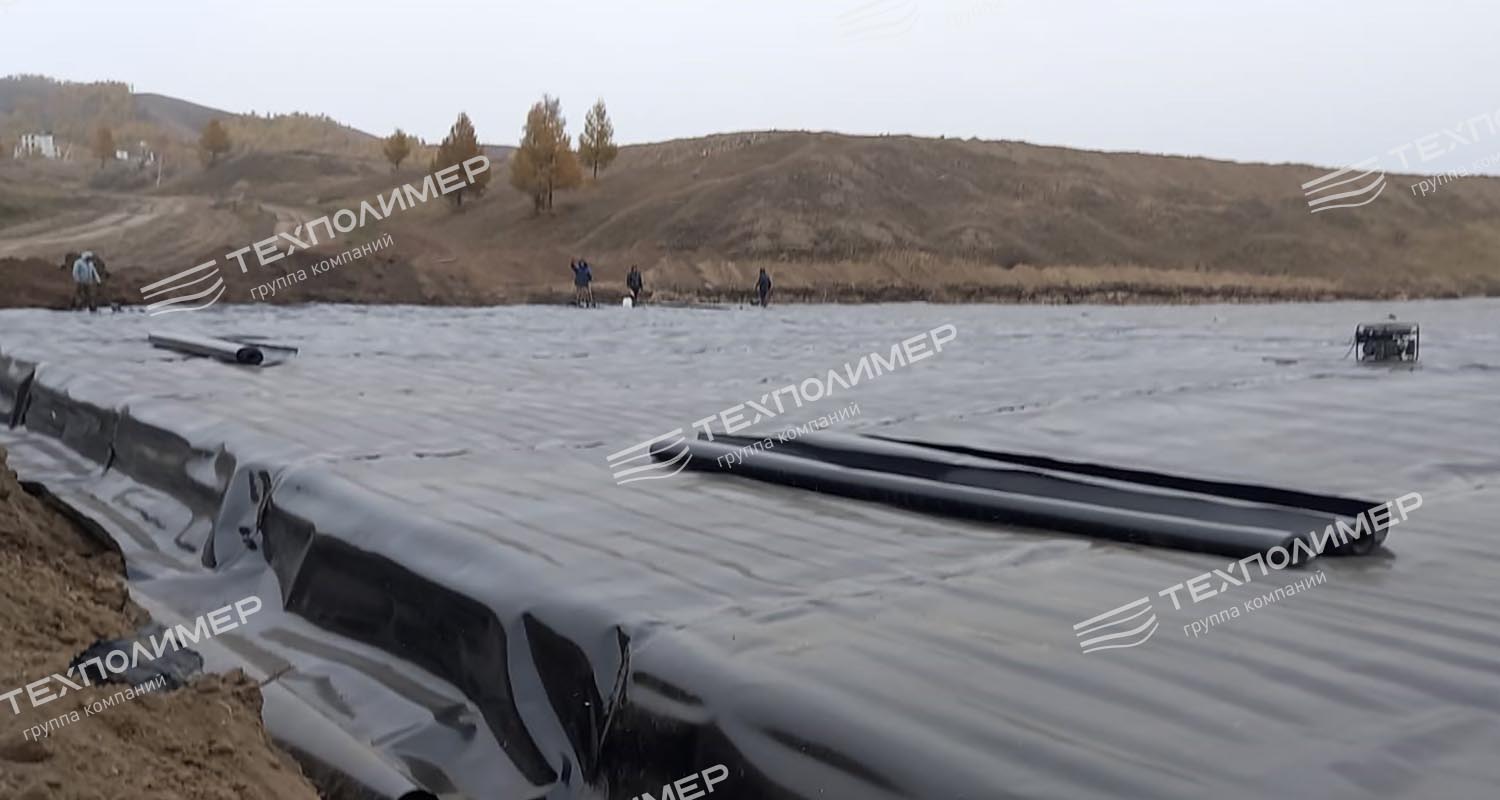
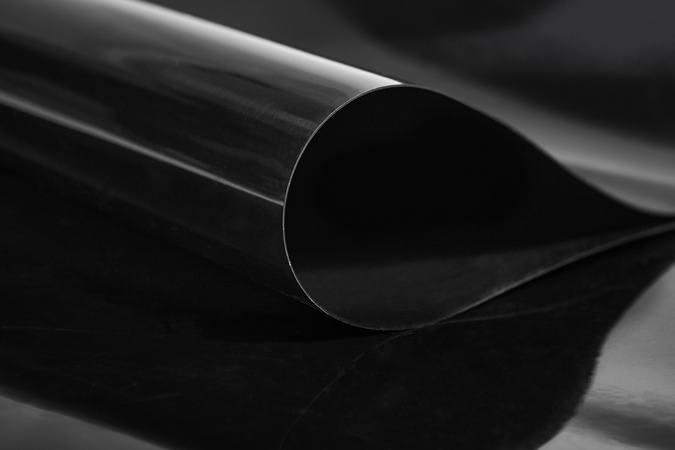
The technical stage included surface grading, backfilling the waste-filled disposal cells, and installing a waterproofing layer using TEXPOLIMER TYPE 4/1 geomembrane made of high-quality virgin low-density polyethylene (HDPE), with a sheet having a single-sided textured surface that helps increase friction between the material and the soil.
The total area of TEXPOLIMER geomembrane used to close five storage cells at the Tuvacobalt plant was 260 000 m2.
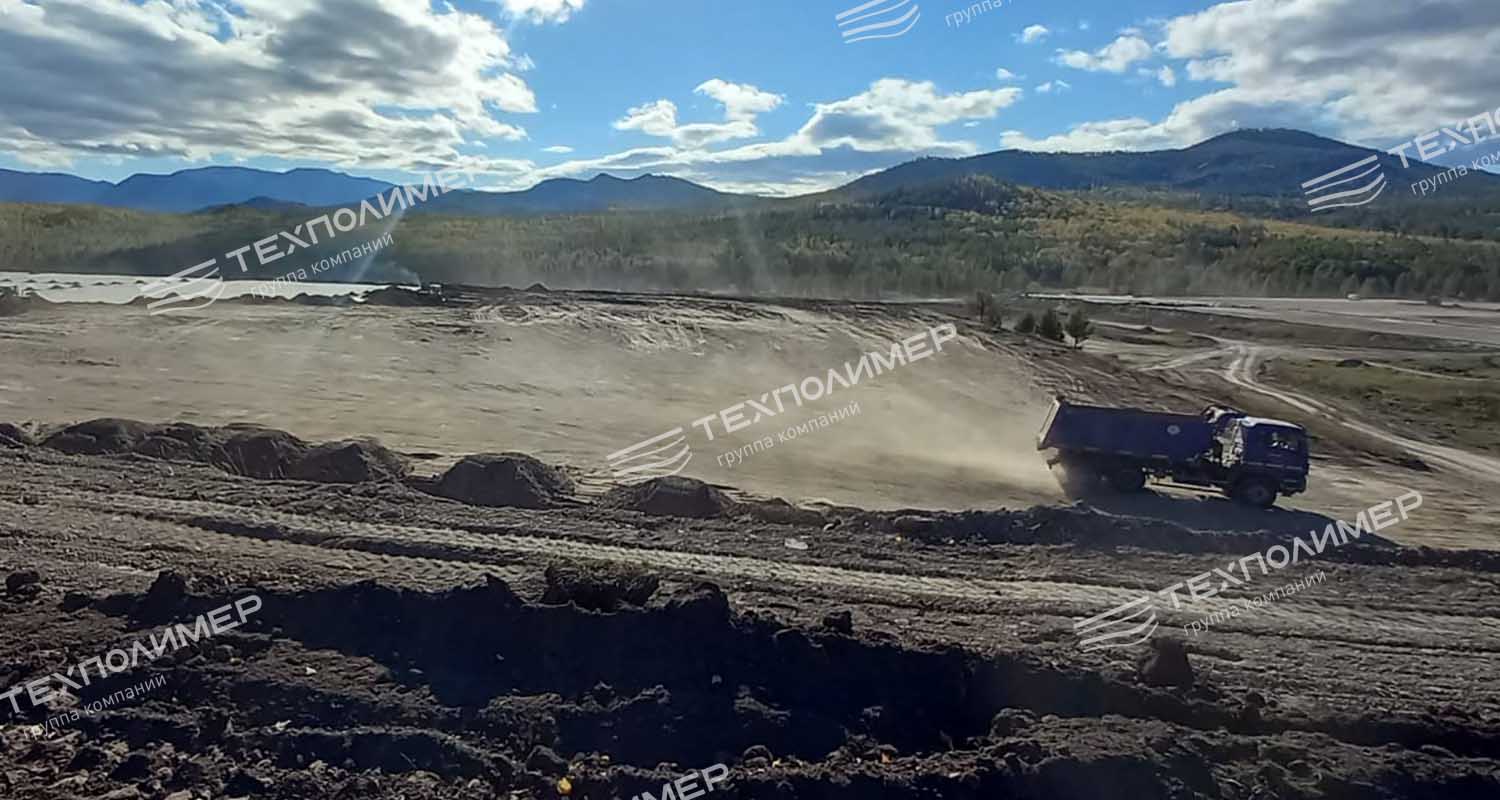
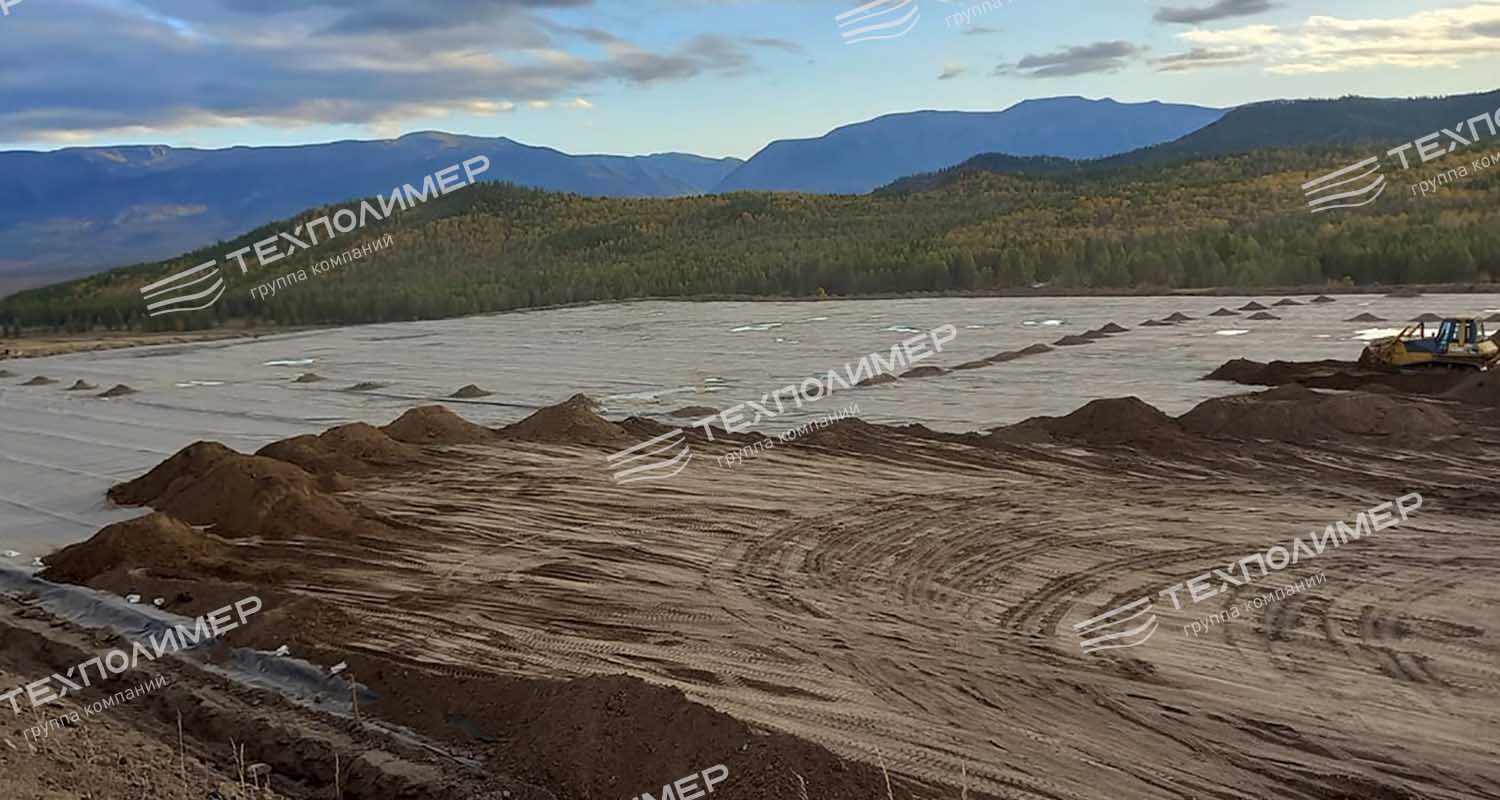
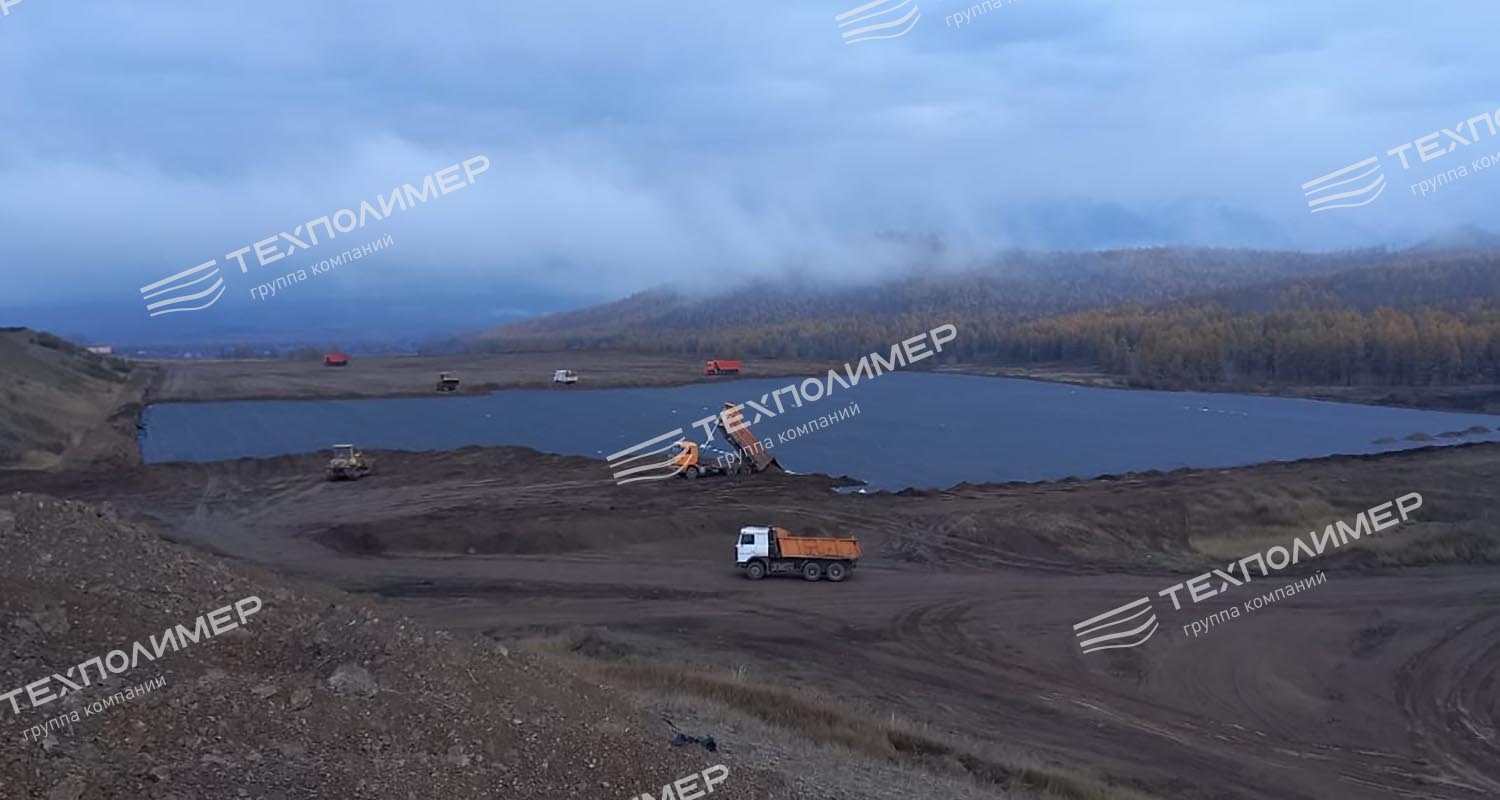
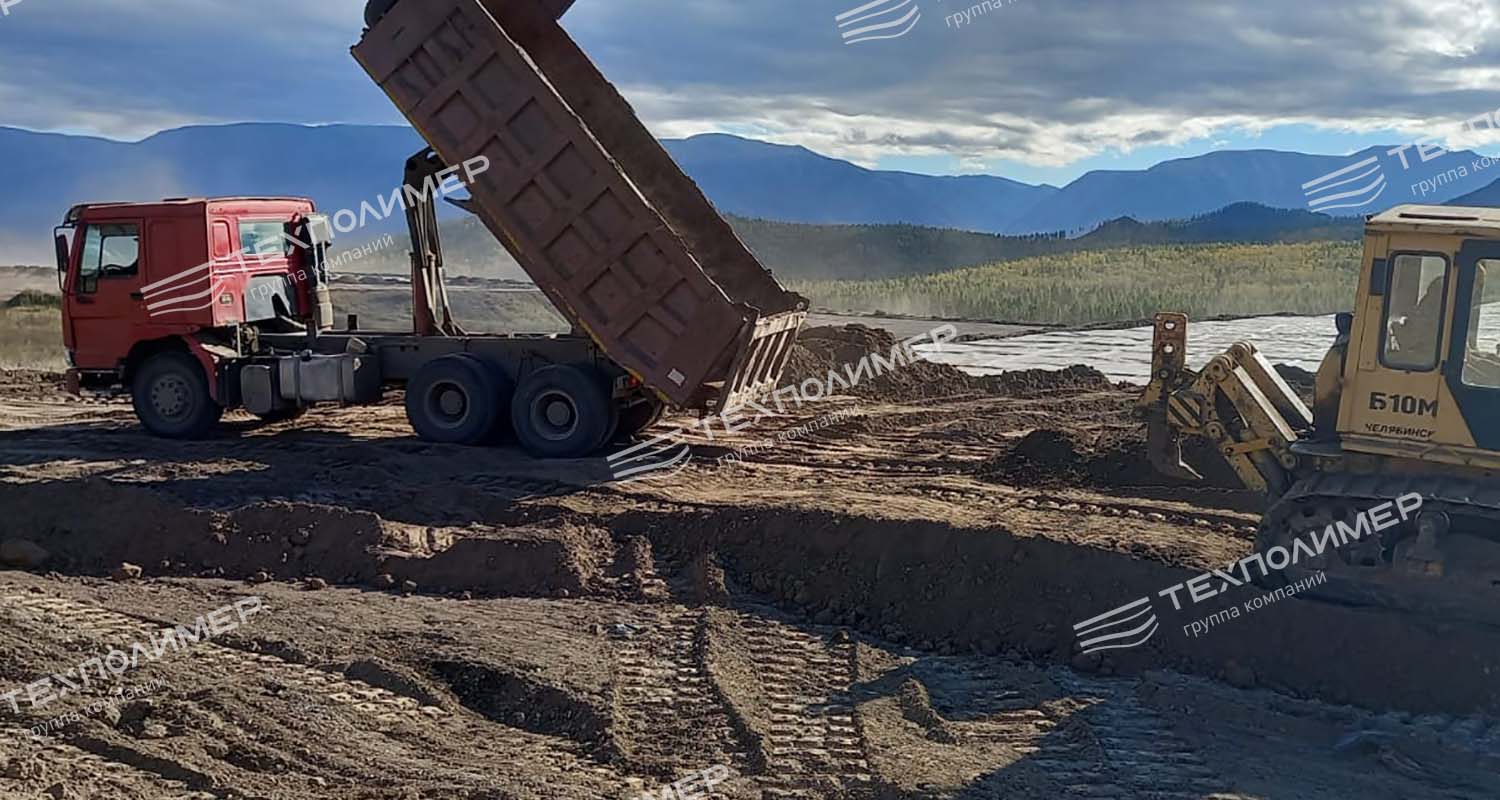
After welding, the geomembrane was covered with a protective 20-centimetre layer of loam and a 30 cm soil and vegetation layer; the total thickness of the protective layer was 0.5 m, complying with the requirements of СН 551-82.
The next stage of soil and land reclamation was biological and included a range of agrotechnical and land-reclamation measures to reinforce the protective layer: sowing perennial grasses and greening the formed soil surfaces to protect them from wind and water erosion.
-
Gallery
-
Reclamation of Waste from the Tuvacobalt Plant