-
Objective
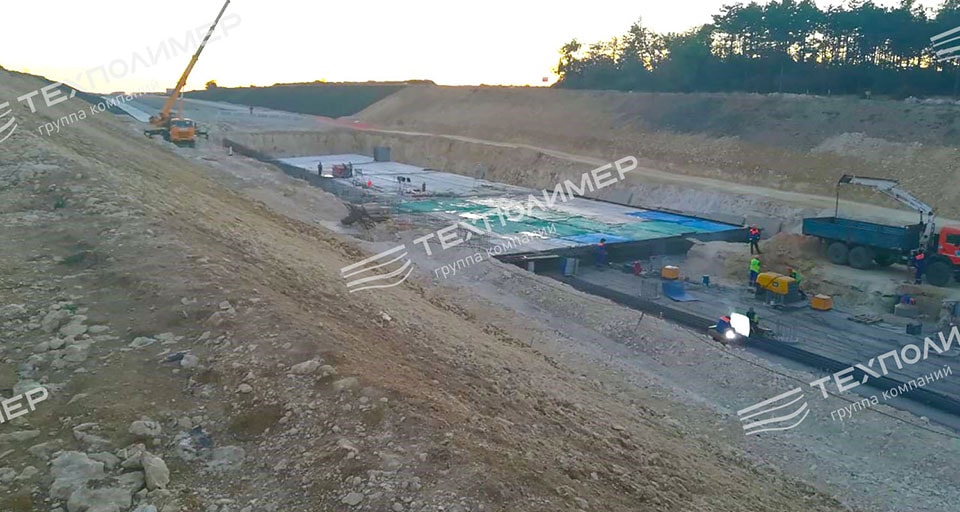
The construction of the R-260 «Tavrida» highway was carried out as part of the Federal Target Programme «Socio-Economic Development of the Republic of Crimea and the City of Sevastopol up to 2020».
During construction, a karst cave at least 1.5 million years old was discovered near the village of Zuya. Following an examination by speleologists, backfilling the cave was ruled out because skeletons of various ancient animals were found inside.
The construction team had to continue building the highway while preserving this historical and natural monument.
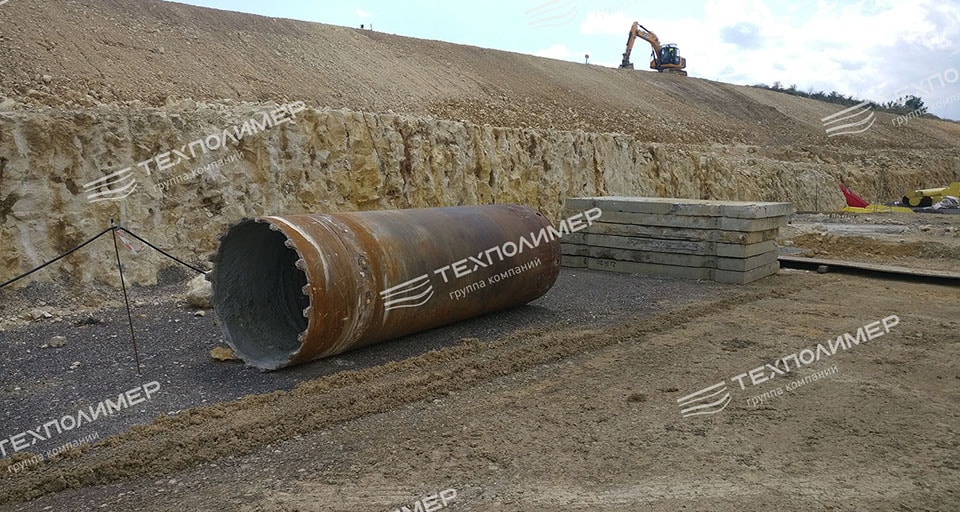
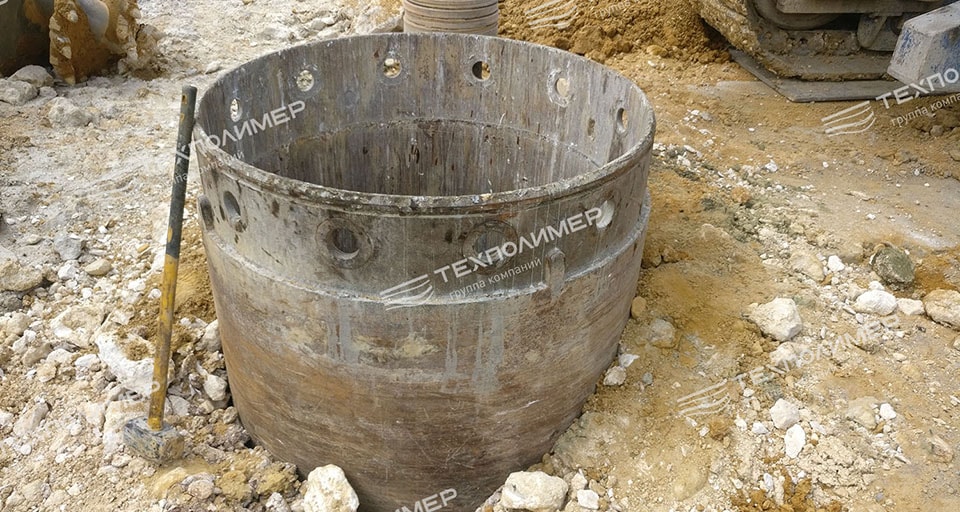
In standard construction practice, permanent casing pipes are used in such cases. However, delivering them to the site would have placed an additional burden on the peninsula’s roads, which are already heavily overloaded during the tourist season.
In addition, during a test pour of standard bored piles, the excess consumption of cement mix amounted to 65% of the geometric volume of the borehole.
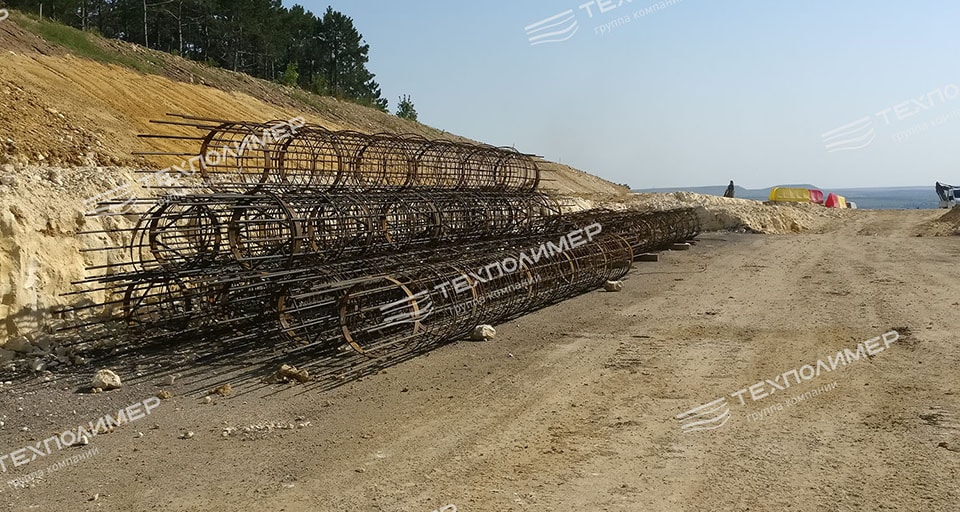
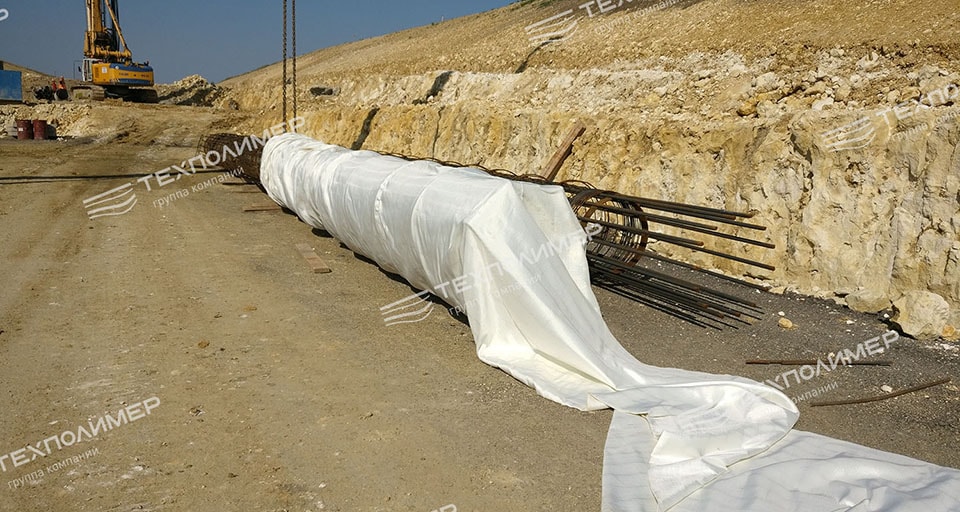
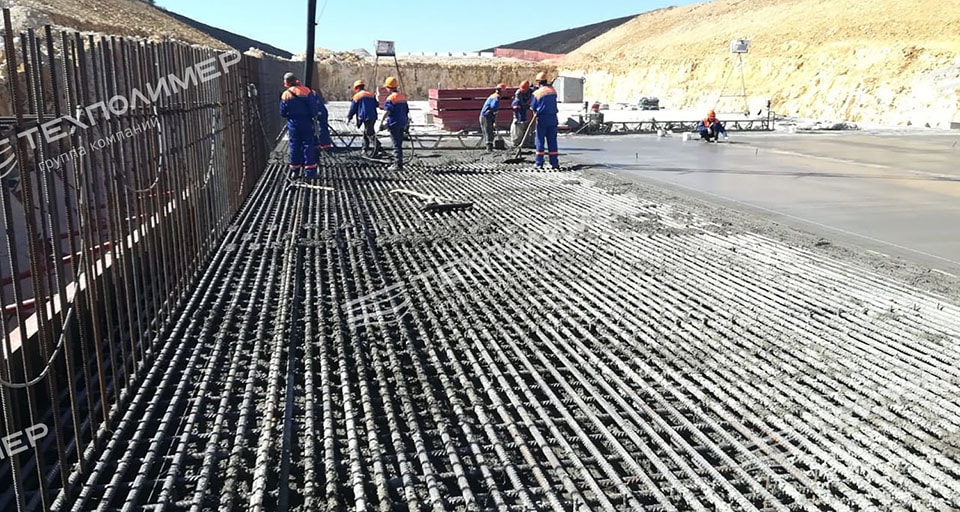
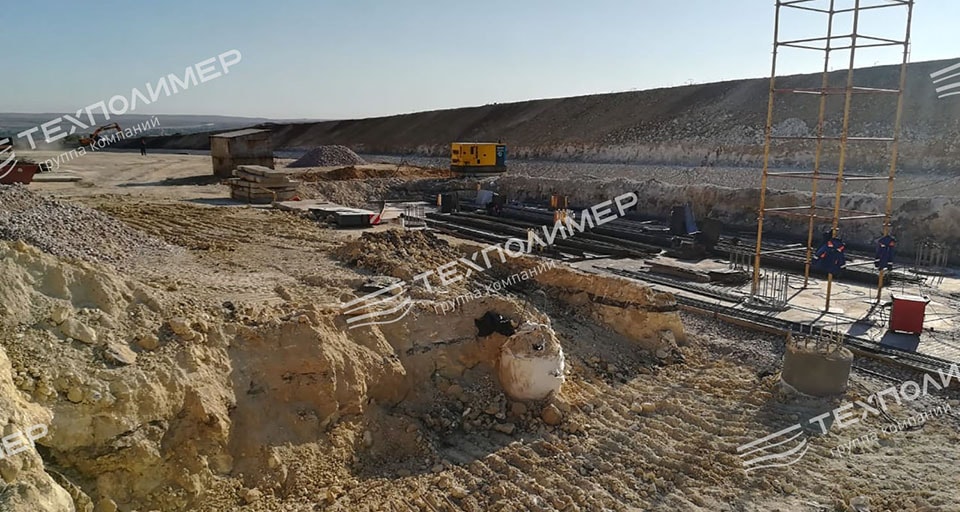
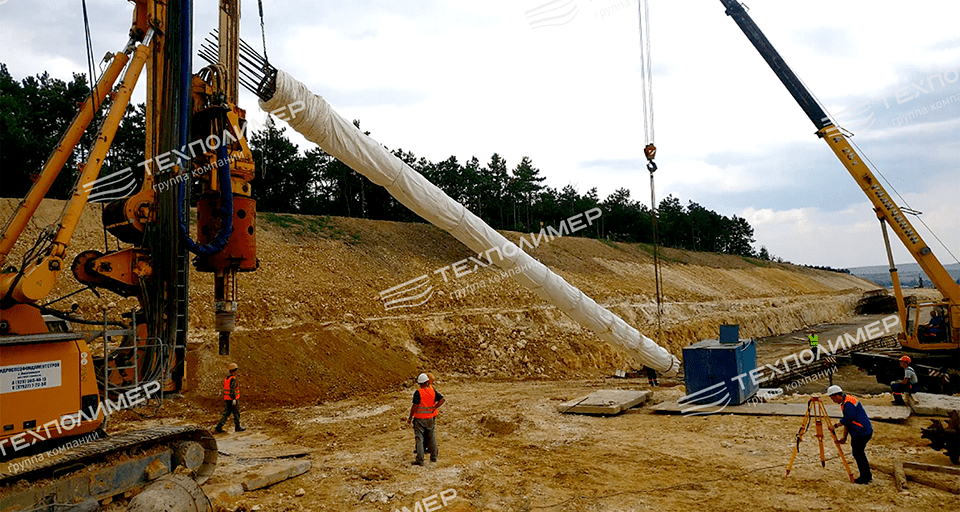
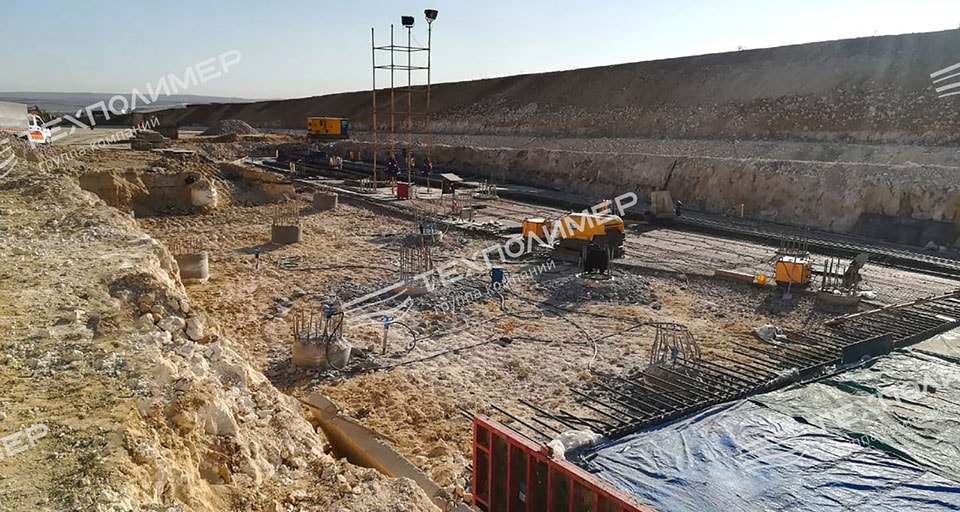
SolutionUsing a reinforced concrete distribution slab resting on 85 bored geopiles.
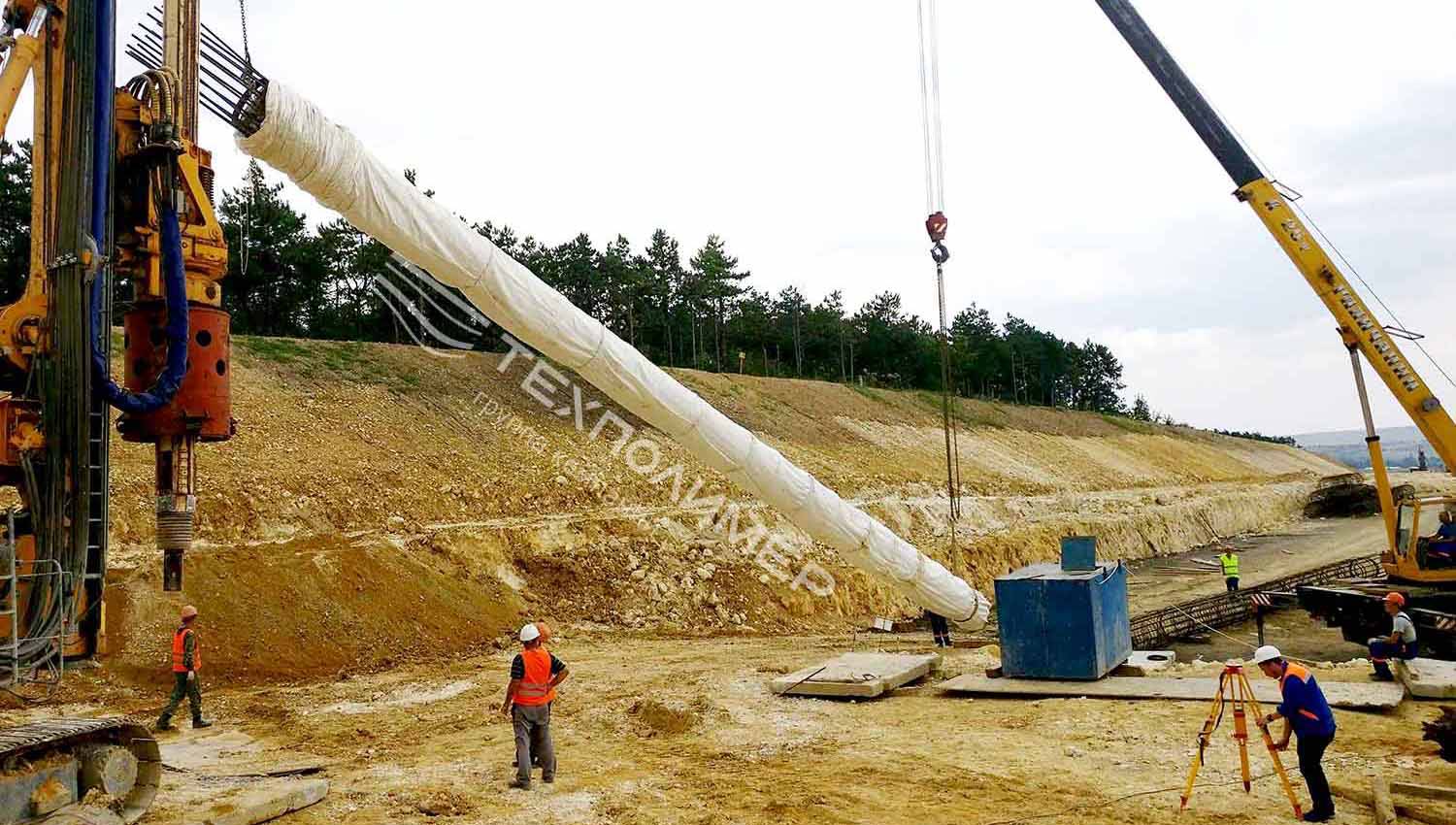
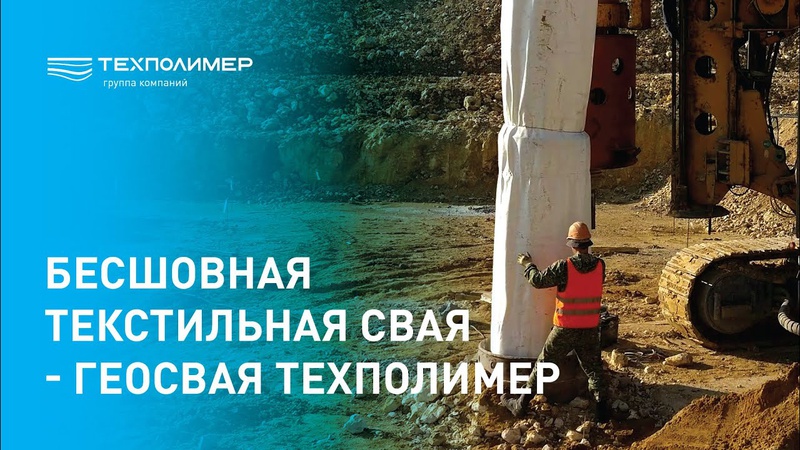
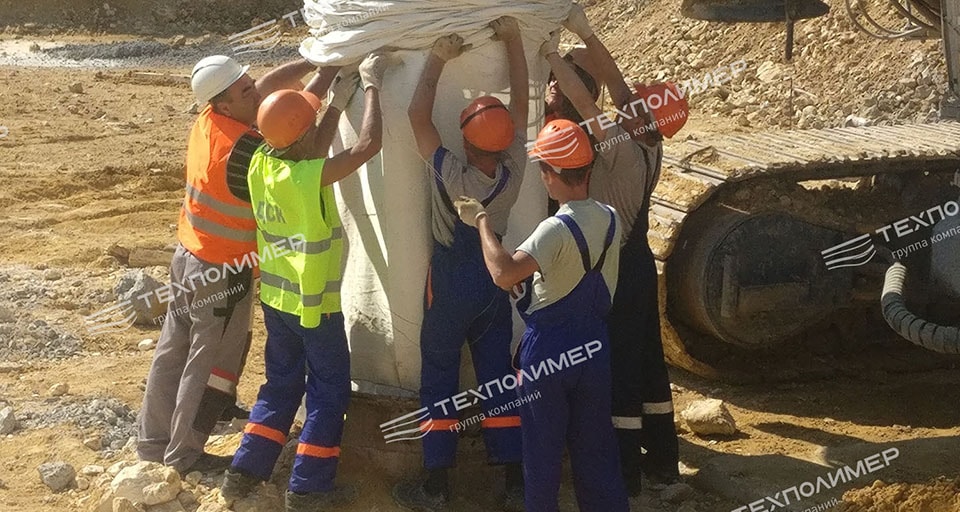
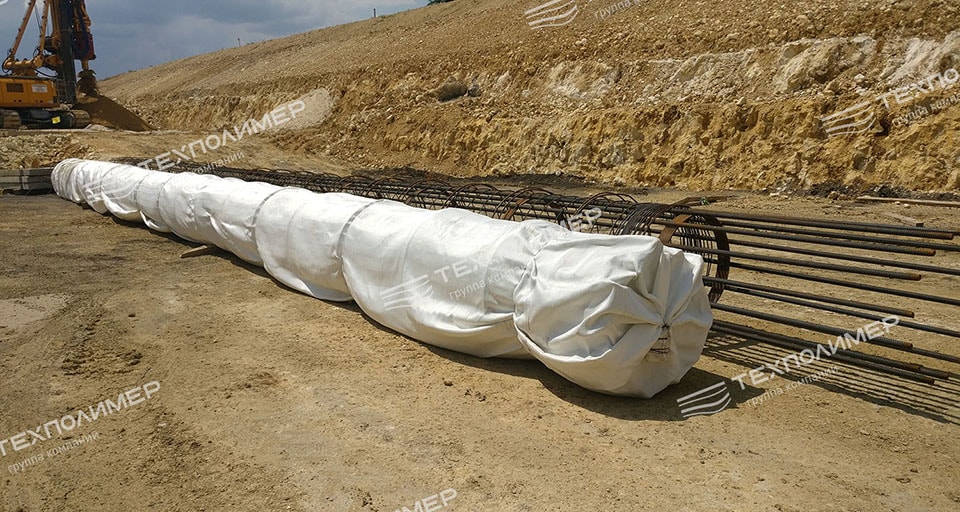
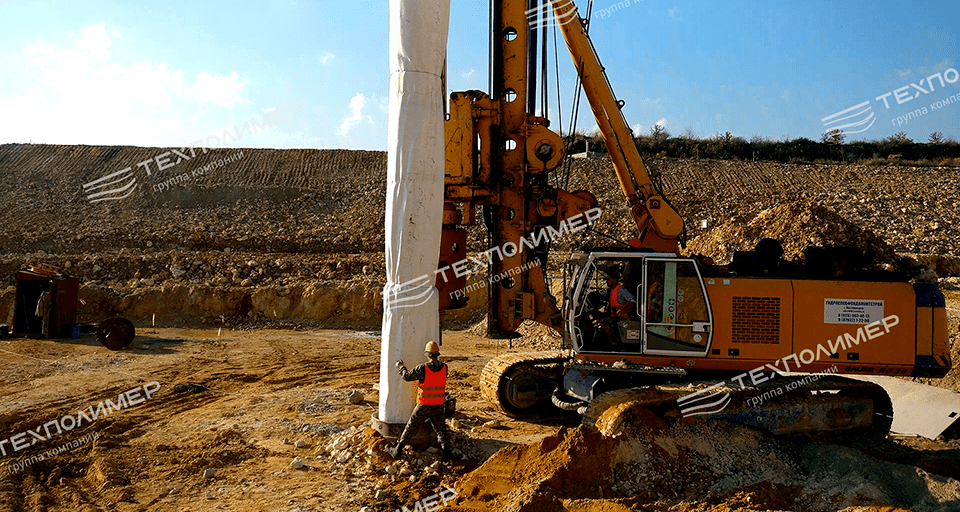
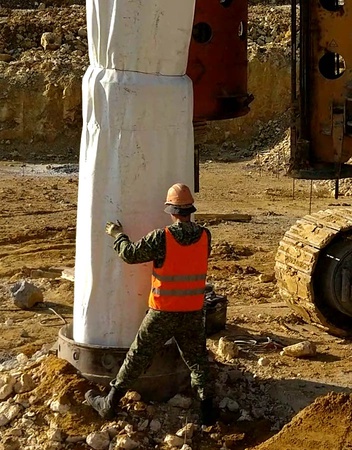
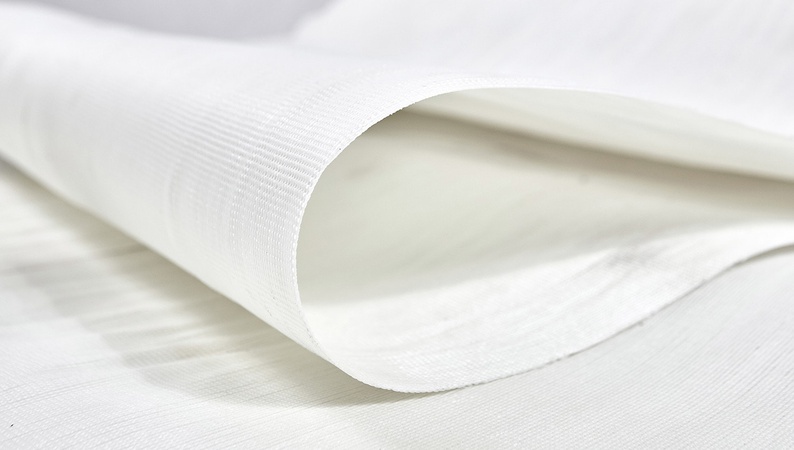
- The TEXPOLIMER geopile is a seamless woven cylindrical geoshell with radial strength of up to 1000 kN/m, manufactured using circular weaving technology with high-strength polymer yarns.
After the piles had been installed in the area of the cave alignment, a speleological survey of the walls and ceiling was carried out: no cement ingress was detected. Every third pile underwent control static testing, which was successfully completed.
Advantages of the technology- Geopiles are used to install vertical sand, crushed stone and cast-in-place piles as a system for reinforcing weak soil foundations, as well as in karst areas.
- Geopile production is carried out under the national import substitution programme.
- Reduced logistics costs: delivery of the geopiles required 1 vehicle, compared with 35–40 vehicles for delivering casing pipes to the site.
- Reduced construction costs: there was no need to weld the pipe sections together.
- The excess cement mixture consumption was no more than 7%.
-
Gallery
-
High-strength seamless GeoPiles for construction of the R-260 Tavrida Road