#media_about_us
Source: Строительство.RU
Prepared by Stanislav DONIN
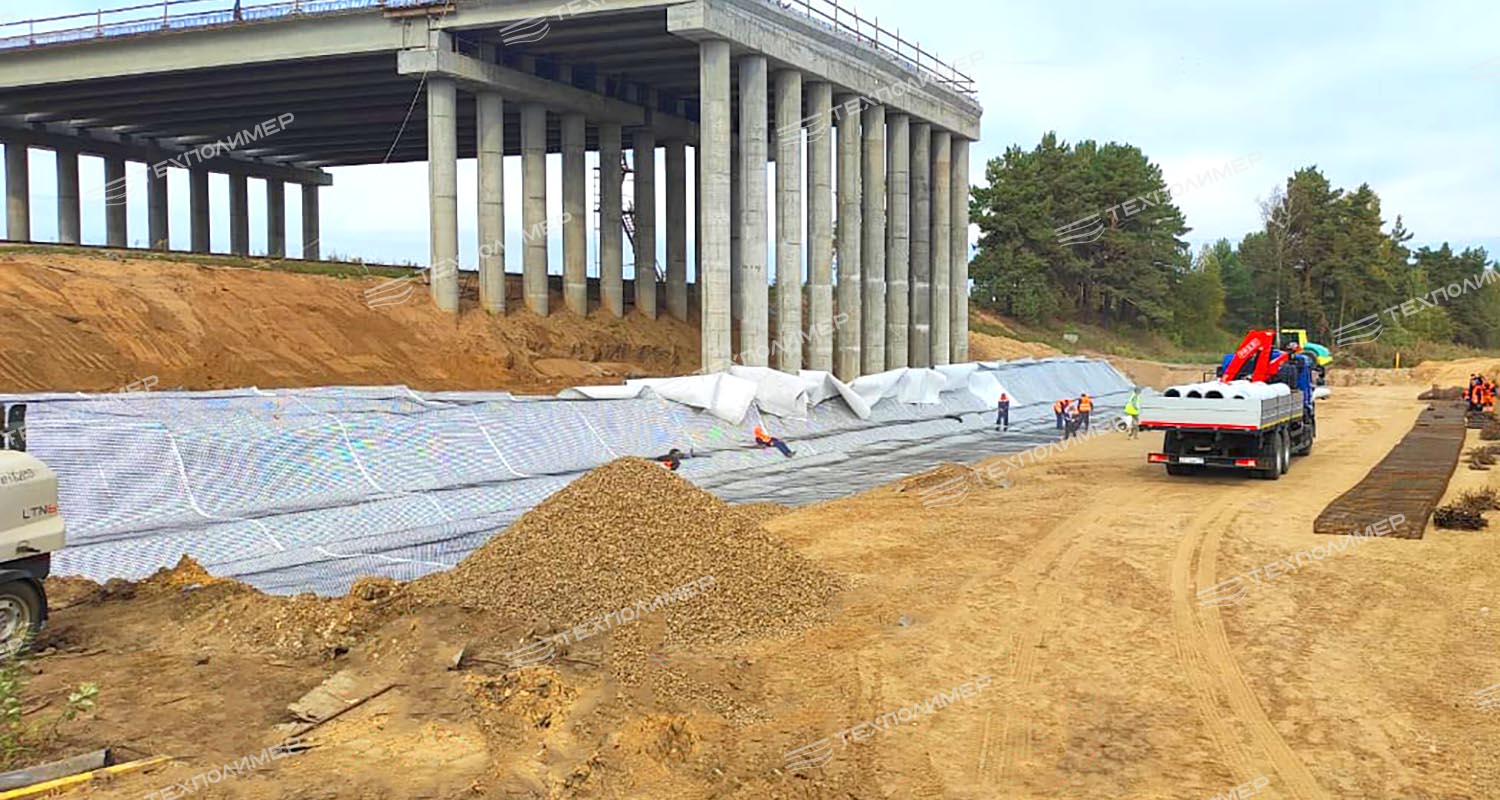
The use of geosynthetic materials (hereinafter GSM) in road construction is growing year on year. Geosynthetics significantly reduce construction costs and extend the service life of road pavements. Therefore, interest in this technology is high. Nevertheless, it is extremely difficult to find analytical information on the use of GSM on Russian roads. Against this background, the geosynthetics market review for the road construction segment, presented by Anna Valueva, Head of the Marketing Research Department at Smart Consult consulting group, during the “Materials for Road Construction” conference organised by the CREON group, was a welcome source of information for industry professionals.
GSM is difficult to analyse for three main reasons.
The first is the underdeveloped regulatory framework: there is no precise classification of GSM types and no clear definitions of their nomenclature.
The second reason is the absence of official statistics. GSM data are not submitted to Rosstat, so they can only be obtained through enquiries to manufacturers.
The third follows from the second. The number of GSM manufacturers is very large. The market includes large, medium-sized and small businesses. In addition, over the past three years, many trading companies have appeared that present themselves as manufacturers; for understandable reasons, they do not disclose information about their turnover.
Overall market indicators
It should be noted that, for the purposes of this article, only nonwoven geotextiles used in road construction are included.
In 2024, Russian consumption of GSM increased by 8.4% in volume terms, reaching 727.8 million sq. m. In value terms, demand increased to RUB 72.8 billion, or by 15.9%.
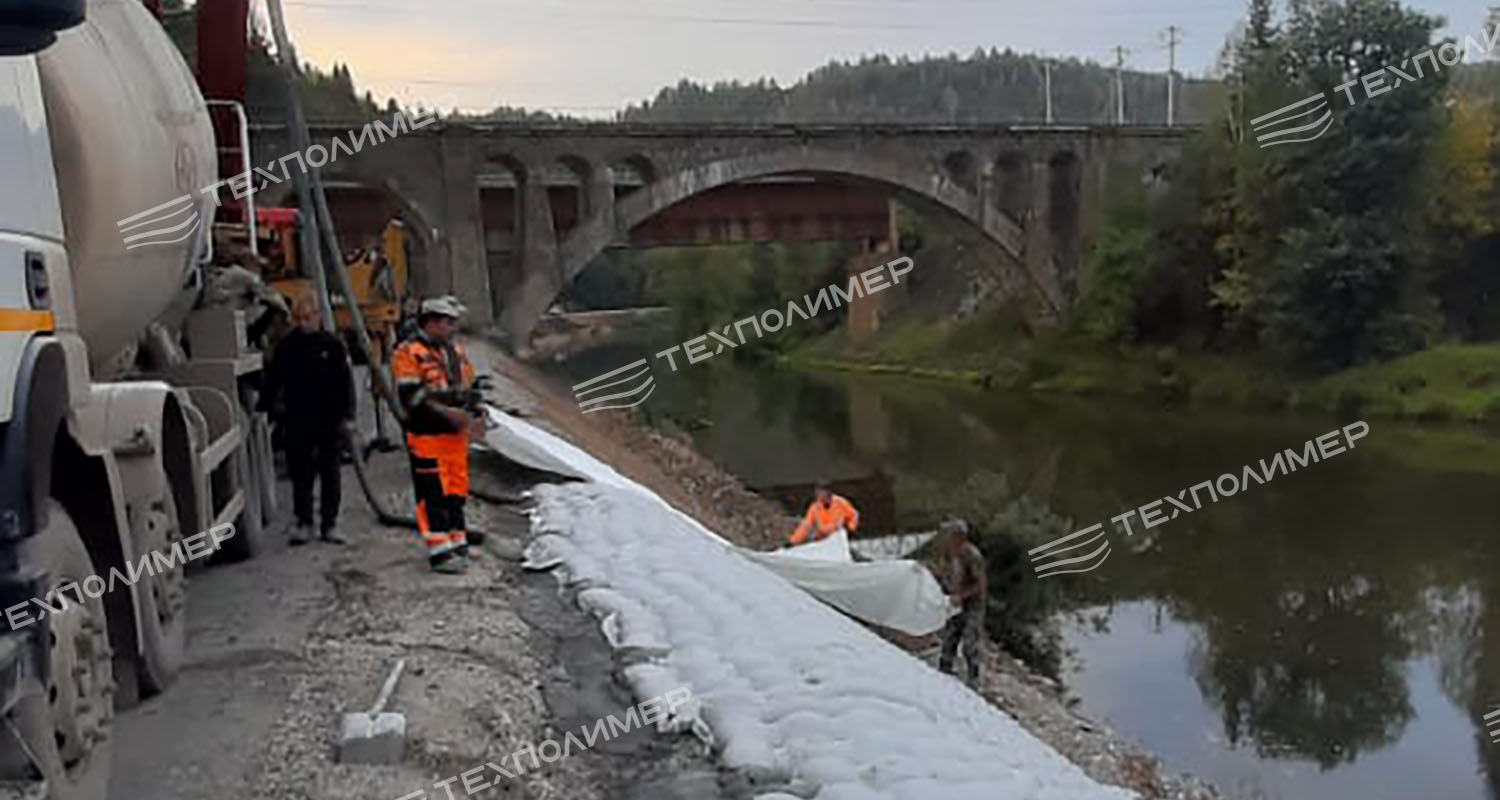
The largest segments of the geosynthetics market in Russia in 2023 were geotextiles, geogrids and geocells. At the end of 2024, geotextiles were the most sought-after product on the geosynthetics market, accounting for 51.7% (376.6 million sq. m), followed by geogrids at approximately 16.1% (117.3 million sq. m), geomembranes at 11.9% (86.3 million sq. m) and geocells at 11.3% (82.2 million sq. m). The popularity of geotextiles is due to their broad range of applications in road construction: they are used to create drainage systems, reinforce embankments and construct tunnels. Geosynthetic textile materials are most widely used in the construction of motorways and railway lines, pipeline installation, and the construction of artificial reservoirs, dams, decorative ponds and other hydraulic structures.
GSM consumption was distributed as follows. In 2024, road construction accounted for 50% of GSM consumption. Railway construction accounted for 17%, the oil and gas industry for 13%, industrial and civil construction and utilities for 12%, and all other uses for 8%.
Growth in consumption in 2023/2024 in volume terms (%):
Geogrids + 4.02% — from 113 million sq. m to 117 million sq. m
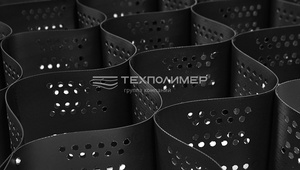
Geocells + 16.6% — from 71 million sq. m to 82.2 million sq. m
Geomat + 6.3% — from 34 to 35.68 million sq. m
Geomembranes +7.06% — from 81 to 86.25 million sq. m
Geotextiles + 7.9% to 376.6 million sq. m.
Of all the products listed above, geocells showed the highest growth. Due to their functional properties, geocells are one of the largest segments of the GSM market. The key factor behind the growth in demand in 2024 was the marked increase in the construction of paved roads. In particular, the statistics were influenced by the final year of the “Safe and High-Quality Roads” national project, as well as positive growth in railway construction.
However, an analysis of tenders and manufacturers’ comments indicates that, according to preliminary data, demand fell by 5.5% in the first nine months of 2025 compared with the previous year. In other words, the surge in demand was situational.
The largest projects consuming geocells during the first nine months of 2025 included the construction of the airport in Grozny, the renovation of the road network in Crimea, the Donetsk and Luhansk republics, and the repair of several federal motorways.
At the end of 2024, the leading positions in the geocells market were held by GEKSA Group, Meaplast Group, Dialog-ST LLC, Prestorus LLC, 494 UNR JSC, Eurodor PTK LLC, RGK LLC, TEKHPOLYMER CJSC, and MIAKOM Group. At the same time, each player’s market share was below 10%. It is currently impossible to identify a market leader, indicating a high level of competition in the industry.
The main consumers of geocells in Russia are large construction companies engaged in road, railway, industrial and civil construction; management and operating companies; oil and gas companies; and individual developers.
In 2025, road construction accounted for 55% of geosynthetic materials consumption, railways for 14%, the oil and gas industry for 11%, industrial and civil construction and hydraulic engineering for 10%, and other uses for the remainder.
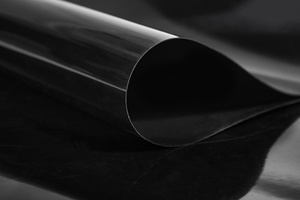
Geomembranes
The geomembranes market has significant growth potential. Its average growth rate in retrospect from 2018 was approximately 8%. The import share in 2018 was 8.5% (4.4 million sq. m); by the end of 2024, this figure had fallen to 1.6% (1.4 million sq. m). Exports at the end of 2024 amounted to 2.2 million sq. m, excluding EAEU countries, compared with 3.7 million sq. m in 2023. Consumption growth in 2024 was 7.1%, below the corresponding 2023 figure of 11.7%. However, due to the absence of a regulatory framework, it is very difficult to determine precisely what can and cannot be classified as geomembranes. Some manufacturers interpret this issue differently.
In terms of market structure, approximately 30 companies produced polymer membranes in-house in 2024. One of the first companies to launch polymer geomembrane production was TEKHPOLYMER JSC in Krasnoyarsk Krai in 2002. Profiled geomembranes were first produced in 2004 by the Russian-Italian joint venture Tema Nord LLC, representing the Italian company Tema S.r.l. in Russia. Several production lines for a broad range of profiled membranes have been launched at the plant. Technonicol Group has produced profiled geomembranes since 2008. Large-scale production was launched at the Logicroof plant in Ryazan Region in 2010. Today, the production capacity of lines for profiled geomembranes and PVC geomembranes is approximately 55 million sq. m. At the end of 2024, the leading companies in the market for all types of geomembranes were Technonicol Group, TEKHPOLYMER CJSC, Tema Nord LLC, ProiGeoPlast LLC and GeoSM LLC (GeoSM).
At the end of 2024, road construction accounted for only 20%. Hydraulic engineering accounted for 18%. The oil and gas and mining industries each accounted for 16%, and so on.
Geotextiles
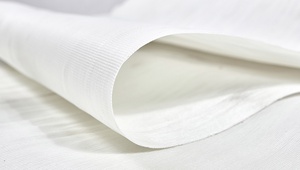
Geotextiles merit separate consideration. It should be emphasised that this refers only to geotextiles belonging to the B2B segment. The geotextiles market is divided into three key product groups: light (100–200 g/m²), medium (250–400 g/m²) and heavy (over 450 g/m²). The most widely used geotextile density in road construction is the medium range of 300–350 g/m2. This type is used for road and drainage system construction, as well as for municipal solid waste landfills and the sealing of water bodies. As noted above, the geotextiles market for road construction grew by 7.9% at the end of 2024, reaching 376.6 million sq. m. The total market for all nonwoven textiles exceeds 850 thousand sq. m.
Drivers and barriers in the geosynthetics market
In terms of drivers, the popularity of GSM is currently growing across the board, driven by the physical, mechanical and performance characteristics of the product. Every year, more designers include these materials in their projects.
As for barriers, the key issue is the incompleteness and imperfection of the regulatory and methodological framework for the use and production of GSM. This creates difficulties during state expert review and affects the quality of projects in which GSM are used. For example, some regulatory documents contain inconsistencies in terminology.
The absence of a unified GSM nomenclature based on properties affects the material selection process. As a result, many contractors often cannot properly compare a large number of undifferentiated geosynthetics using the same parameters and make the optimal choice.
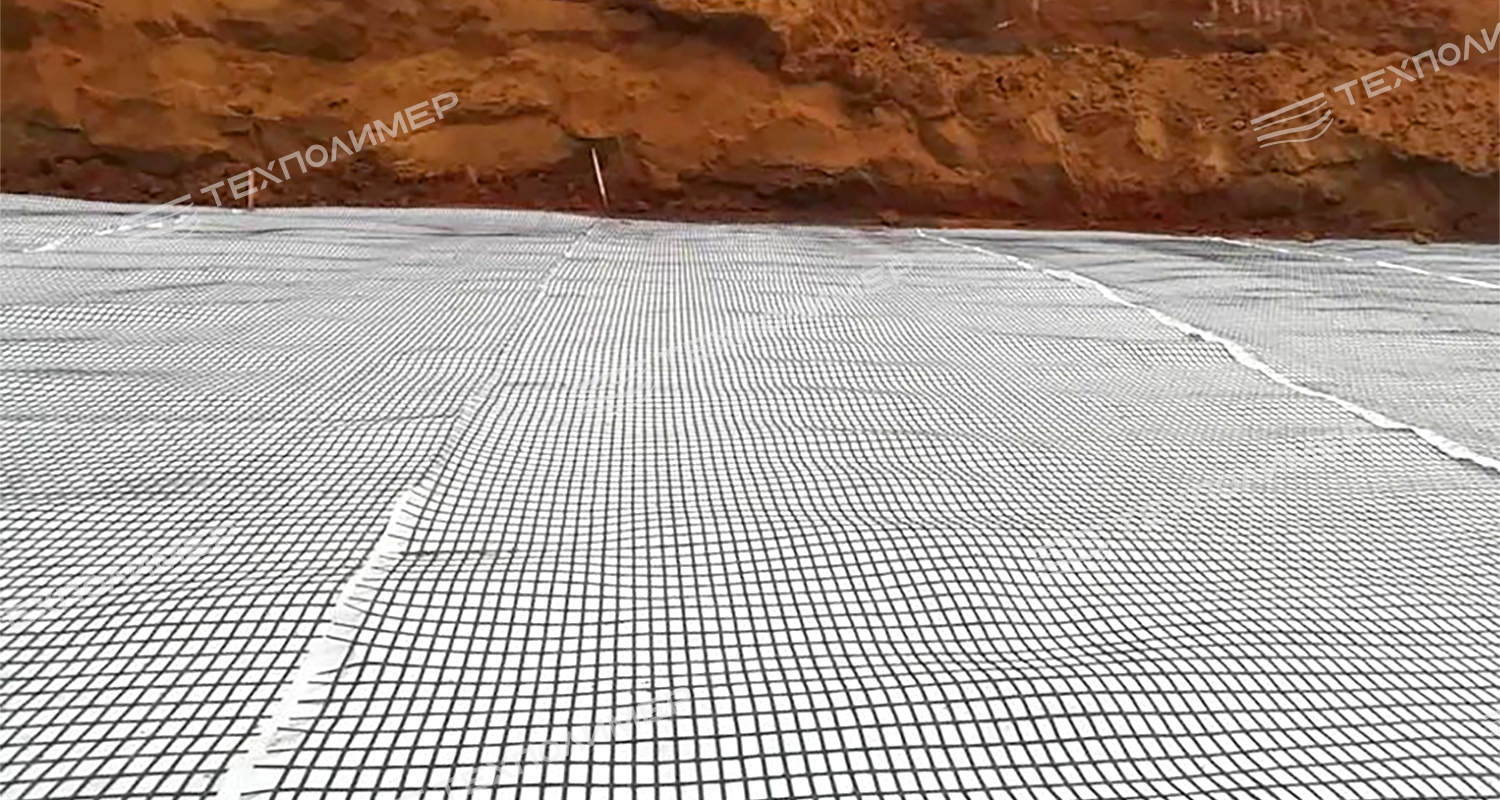
One of the main drivers of GSM growth remains government support for infrastructure construction. Under the “Roadmap” programme for 2024–2030, the Ministry of Transport has allocated RUB 7.5 trillion for the construction and reconstruction of motorways. The construction and reconstruction of more than 25,000 km of motorways is planned. According to the Federal Road Transport Agency “Rosavtodor”, the use of geosynthetics in such projects can reduce costs by up to 30% by reducing the volumes of crushed stone, lowering labour costs and extending pavement service life. According to the Ministry of Industry and Trade, the share of Russian GSM in public procurement increased from 40% in 2020 to 79% in 2024.
In 2024, the cost of polymer raw materials, on which GSM production depends, fell for the first time since 2021. This will make it possible to reduce GSM production costs.
In conclusion, although geosynthetics are still considered an innovative material, confidence in them is growing at an accelerating rate. GSM consumption in Russia is expected to exceed 1 billion sq. m by 2030.