Two years ago, TEXPOLIMER Group and the leading Russian manufacturer of industrial wastewater treatment plants, Baromembrane Technology LLC (BMT LLC), combined their many years of experience. They now provide comprehensive support to mining and mineral processing companies: addressing the treatment of mine, quarry, formation and waste-dump waters; implementing industrial water reuse, processing and storage systems; designing and constructing hydraulic structures; and providing engineering protection for territories.
Our own engineering centre enables us to address our partners’ needs individually and adapt our unique technical solutions to the specific features of each facility, taking into account the challenging climatic conditions in which they are often located.
Treatment of mine, quarry, formation and waste-dump waters
Today, due to stricter environmental requirements for industrial and mining companies, considerable attention is being paid to the treatment of industrial wastewater containing a wide range of pollutants. As a rule, mine, quarry, formation and waste-dump waters have elevated concentrations of the following groups of chemical compounds:
- Nitrogen compounds (ammonium nitrogen and nitrite nitrogen);
- Petroleum products in emulsified and dissolved forms;
- Heavy metal ions (copper, zinc, manganese, nickel, aluminium; less frequently – cadmium, cobalt, chromium, vanadium and tungsten);
- Suspended solids consisting of microparticles of extracted rock (coal, sand and non-ferrous metal ores);
- Mineralisation (total dissolved solids), determined by elevated concentrations of the sum of calcium, potassium, sodium, sulphate, chloride and carbonate ions. These impurities are not toxic, and exceedances of these indicators in such waters are observed considerably less frequently. Nevertheless, sulphate and calcium ions are often leached from rock, and their concentrations may exceed the maximum permissible concentration by several times.
For treatment of all these groups of pollutants, we have developed and actively use technical solutions that achieve treatment quality compliant with discharge requirements for water bodies designated for fisheries, while minimising capital and operating costs.
1. Removal of nitrogen compounds
To remove nitrogen compounds, we use equipment with automatic dosing of an oxidant based on active chlorine, followed by dechlorination. This operation makes it possible to completely remove even trace amounts of ammonium and nitrites.
2. Removal of petroleum products
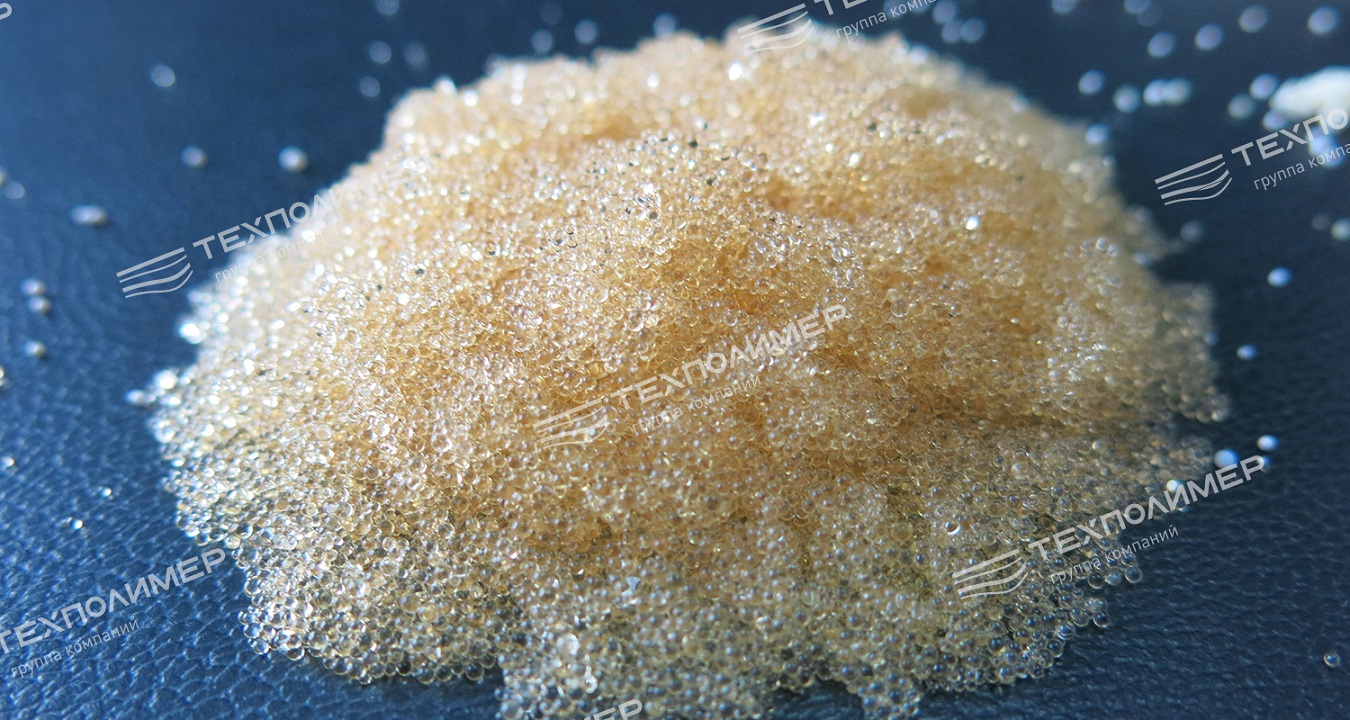
A modern biosorbent-class adsorbent based on natural aluminosilicate is effective for removing petroleum products. Its primary purpose is the polishing treatment of petroleum products at low concentrations to meet discharge standards (no more than 0.05 mg/l).
The sorbent granules may have different structures, allowing them to be selected specifically for the pollutant. Due to its high sorption capacity and self-regeneration, the sorbent needs to be replaced no more than once a year.
3. Removal of heavy metals
To remove heavy metals, particularly copper, nickel, zinc and manganese, which may be present in mine water even at low concentrations, we use a special modified adsorbent medium.
An alternative is special chelating ion-exchange resins manufactured in Europe. However, they have two significant disadvantages: high cost (up to 20 € per 1 litre of resin) and a complex two-stage regeneration process using aggressive chemical reagents (acid and alkali), which produces spent regeneration solutions requiring disposal.
The technology we have developed using sorbents selective for heavy metals does not have these disadvantages.
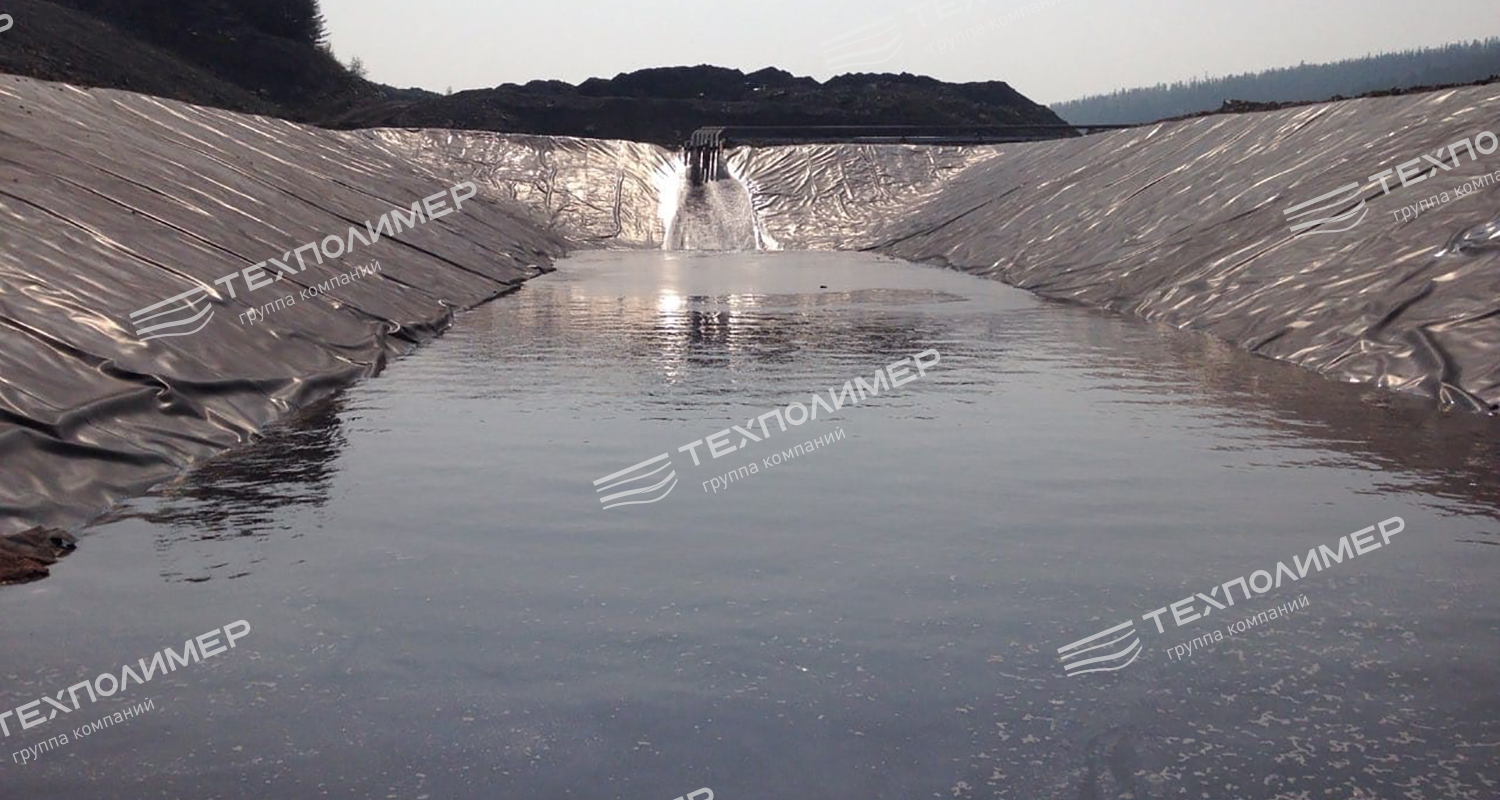
Mine, quarry, formation and waste-dump waters are treated not only using specialised treatment equipment. Settling ponds also play an important role: water arriving directly from mine workings is accumulated and pre-clarified there. The capacity of the settling ponds is calculated in accordance with the customer’s requirements and the capacity of the treatment facilities. Two or more ponds can be provided if necessary. As water accumulates and the sediment consolidates in the first pond, it is drained and dried, and the second pond is put into operation. The consolidated sediment is removed periodically using an excavator.
4. Removal of suspended solids
To remove suspended solids, whose concentration in the untreated water may reach 100 000 mg/l, we use highly effective coagulants and flocculants. Combining chemical treatment with the operating parameters of the clarifying pond increases clarification efficiency to 95-98% and achieves an actual suspended solids concentration of 30-50 mg/l.
5. Reduction of mineralisation (total dissolved solids)
Mine and quarry wastewater may periodically contain excessive levels of sulphates, bicarbonates, calcium, magnesium and sodium salts. Our innovative development reduces the concentration from an initial 3000-5000 mg/l to 100 mg/l without using expensive and energy-intensive baromembrane or evaporation technologies.
The entire process takes place in settling ponds. The colloidal ettringite suspension formed in the settling pond has high sorption activity towards heavy metal ions and petroleum products, providing an additional reduction in their concentrations in the treated water.
Impermeable liner structures
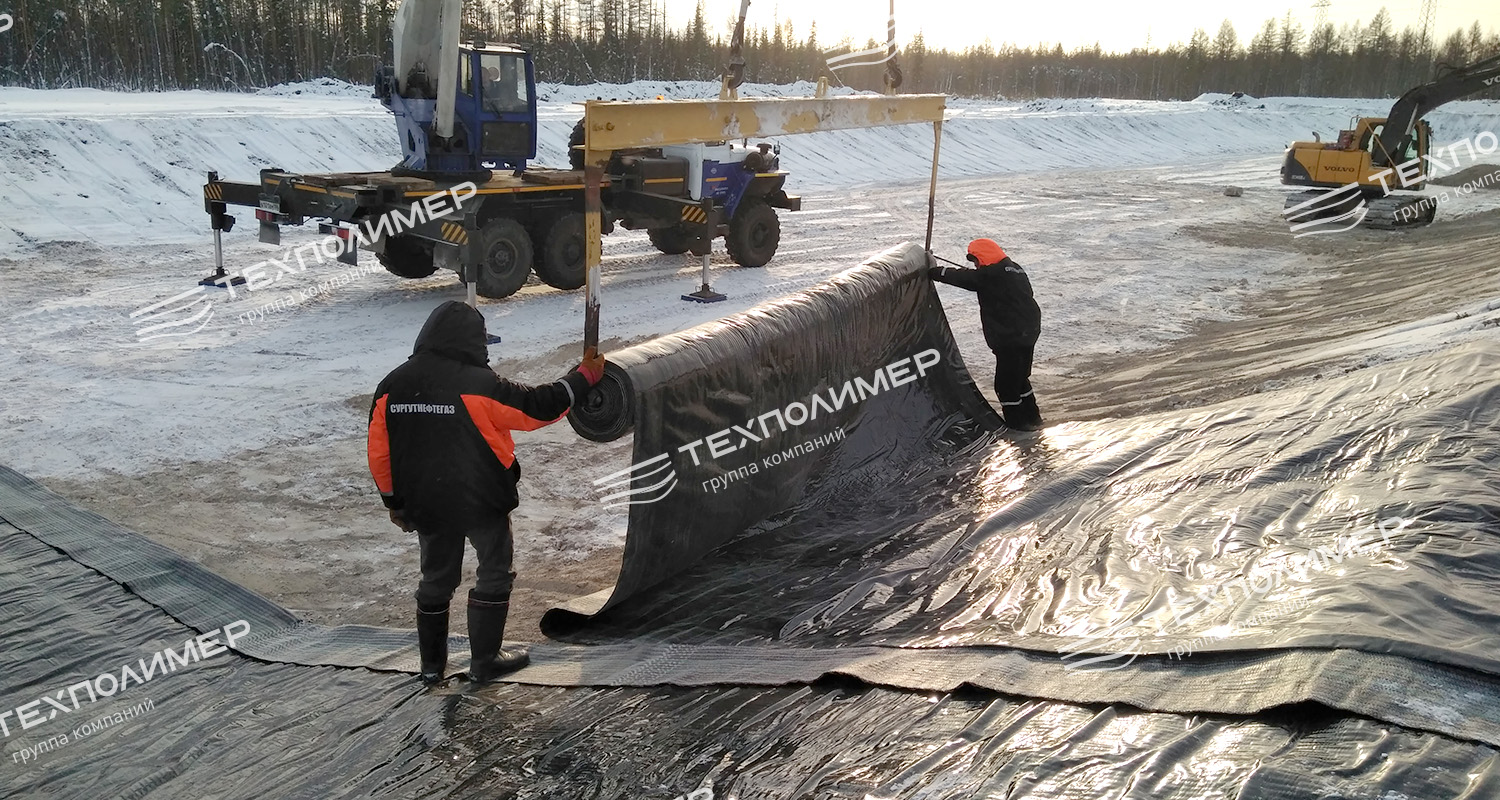
The design of pond impermeable liner systems is selected depending on the load on the impermeable element, the quality of subgrade preparation, the availability of fine-grained soils for the underlying and protective waterproofing layers, and many other factors.
Mining companies are often located in challenging geological conditions, and TEXPOLIMER Group specialists have to address the replacement of soil materials with alternative solutions using products manufactured in-house.
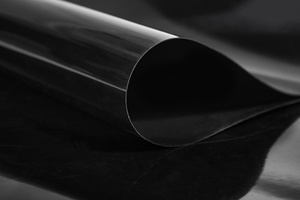
One interesting solution is the use of the Bentotech ASL bentonite mat bonded to a 1-1.5 mm thick geomembrane.
In this combined type of bentonite mat, the geomembrane provides the primary waterproofing function, while the bentonite mat protects the geomembrane from mechanical damage when fine-grained subgrade soils are unavailable. It also serves as a secondary waterproofing layer that will stop leakage if the geomembrane is damaged.
Multilayer impermeable liner systems are increasingly used at facilities with high concentrations of toxic leachate and stringent environmental protection requirements.
An alternative to settling ponds
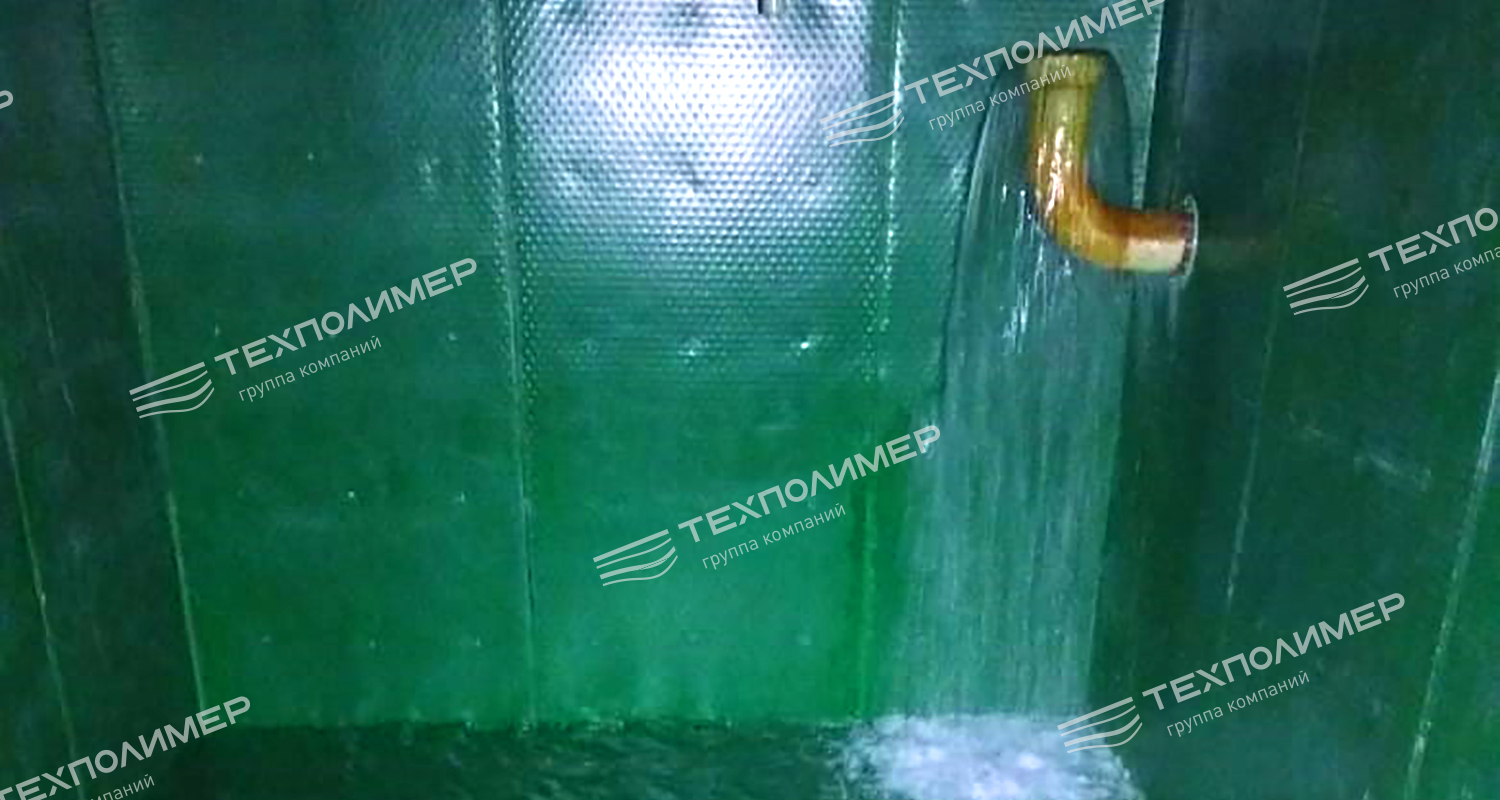
An alternative to settling ponds is provided by receiving steel or reinforced-concrete tanks at treatment facilities for quarry and waste-dump waters. In this case, preventing corrosion caused by aggressive media is an important task. To address it, our engineers propose lining both existing tanks and tanks under construction with V-LOCK anchor sheet.
Tank lining with anchor sheet provides 100% protection against aggressive substances and creates a sealed, chemically resistant internal tank coating. The technology enables lining without compromising the integrity of the internal structure, while extrusion welding of adjacent anchor-sheet panels turns them into a completely watertight оболочка.
The methods for treating mine, quarry, formation and waste-dump waters have been experimentally confirmed and tested during pilot trials at companies including: EVRAZRUDA OJSC; YUZHNY KUZBASS JSC; Bauxite Timana JSC; SUEK-Kuzbass JSC; Bolshevik Mine JSC; Lovozersky GOK LLC; and Cheremukhovskaya Mine (Rusal Group).
Construction of haul roads
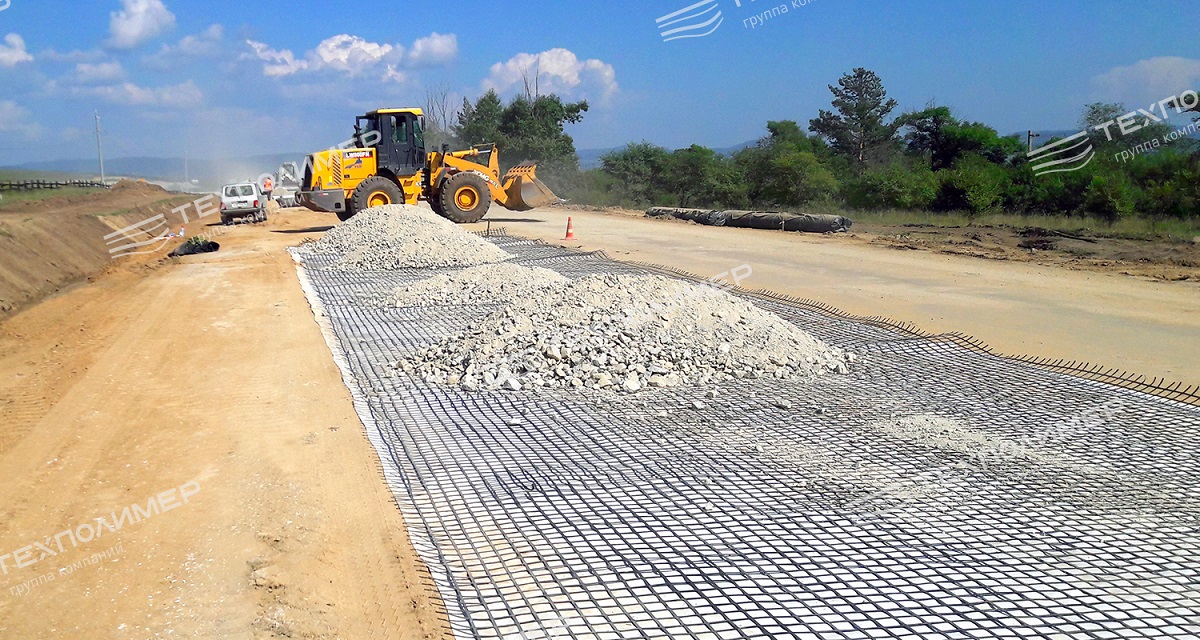
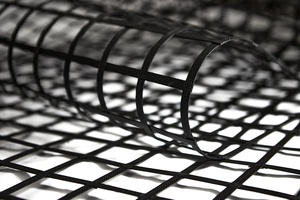
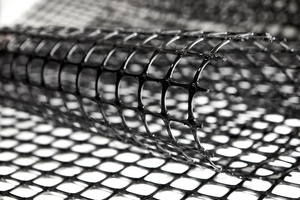
The group of companies’ portfolio of technical solutions for mining and mineral processing companies includes haul-road construction solutions designed for heavy vehicles operating where quality aggregate materials are in short supply.
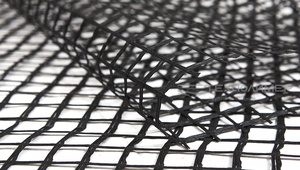
By using unique reinforcing materials, TEXPOLIMER Group enables companies to use local soils with short haul distances without reducing the reliability or strength of the road structure.
Base reinforcement improves the constructability of the work and ensures uninterrupted operation of mining companies.