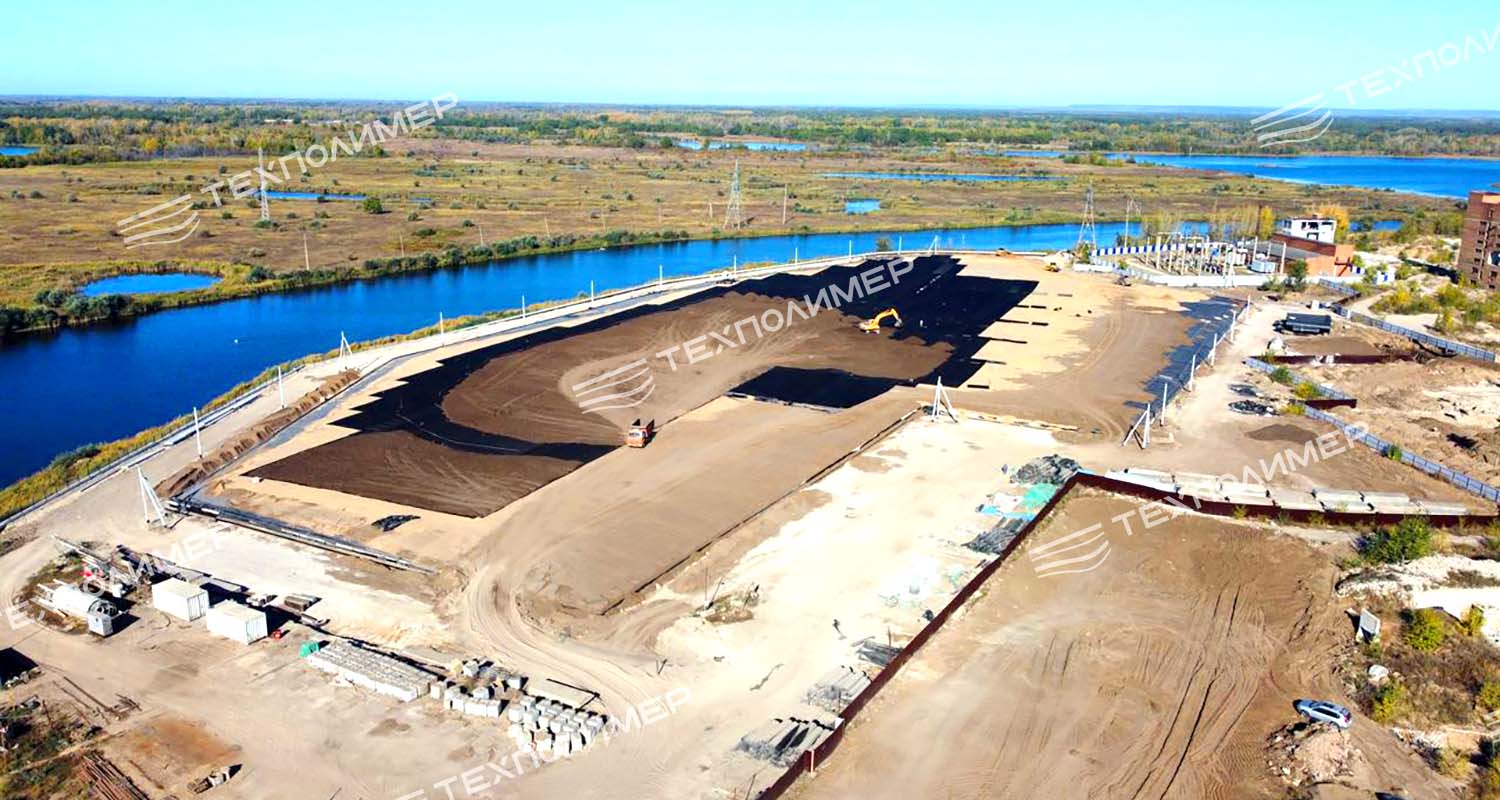
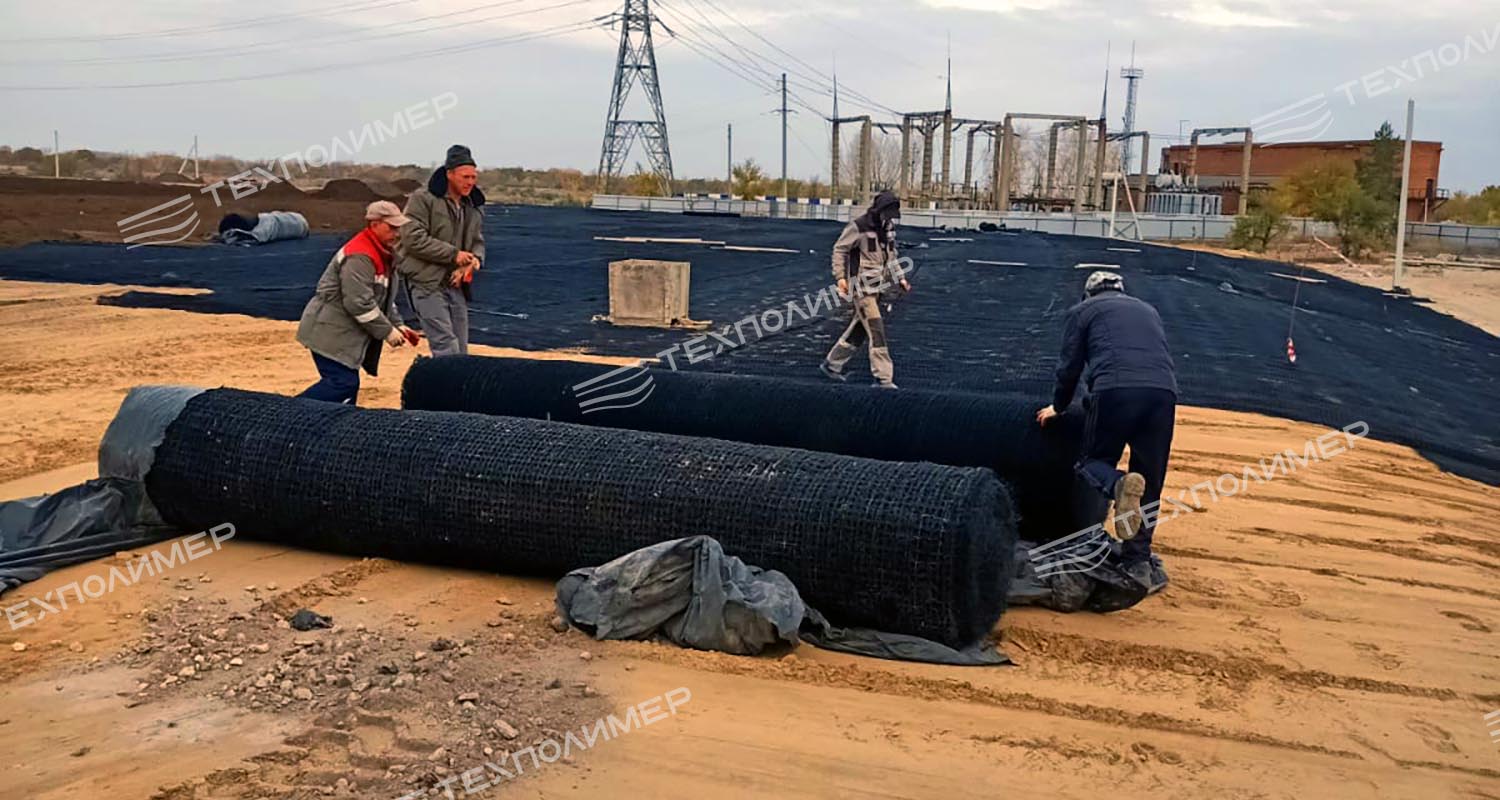
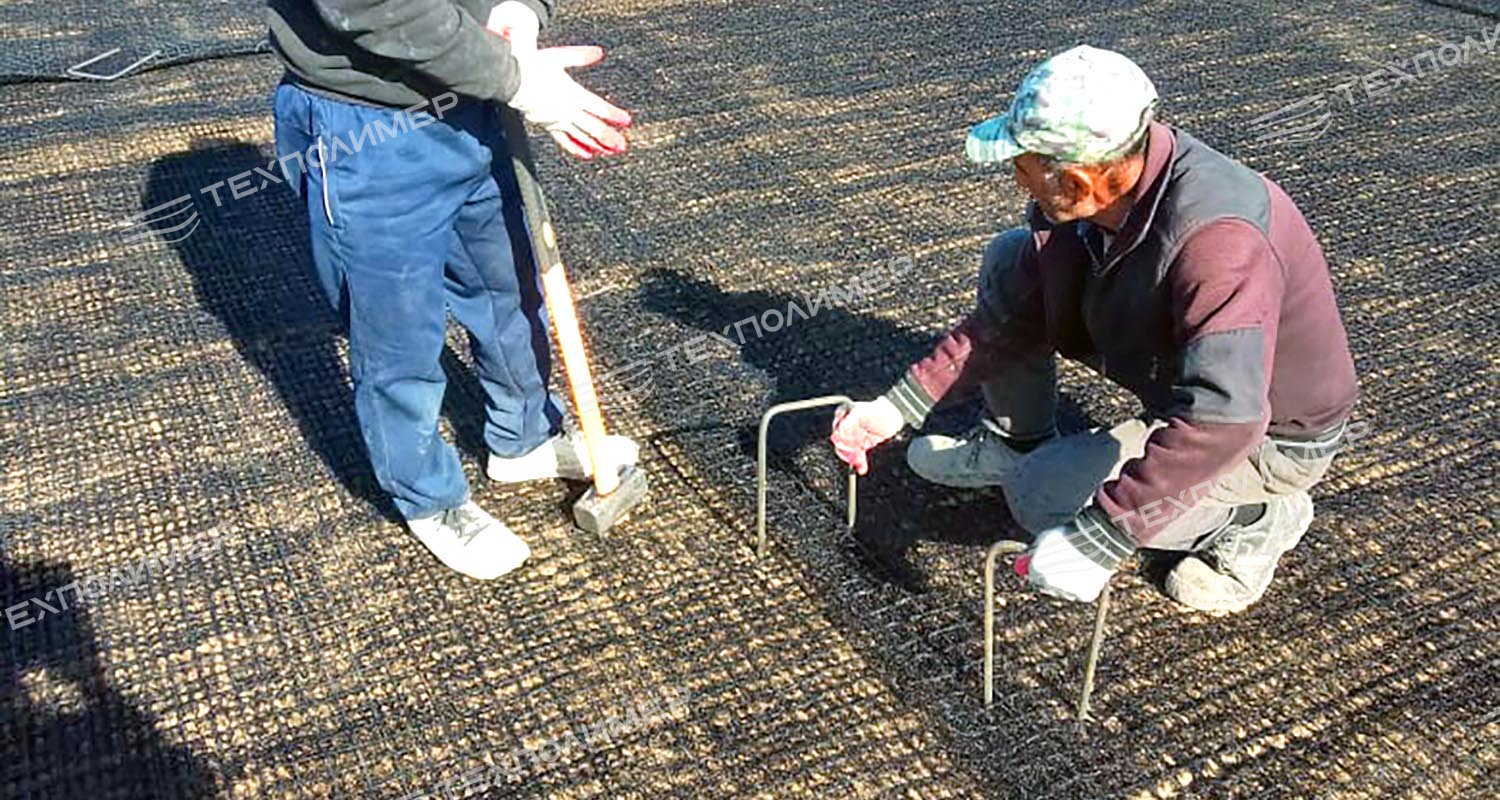
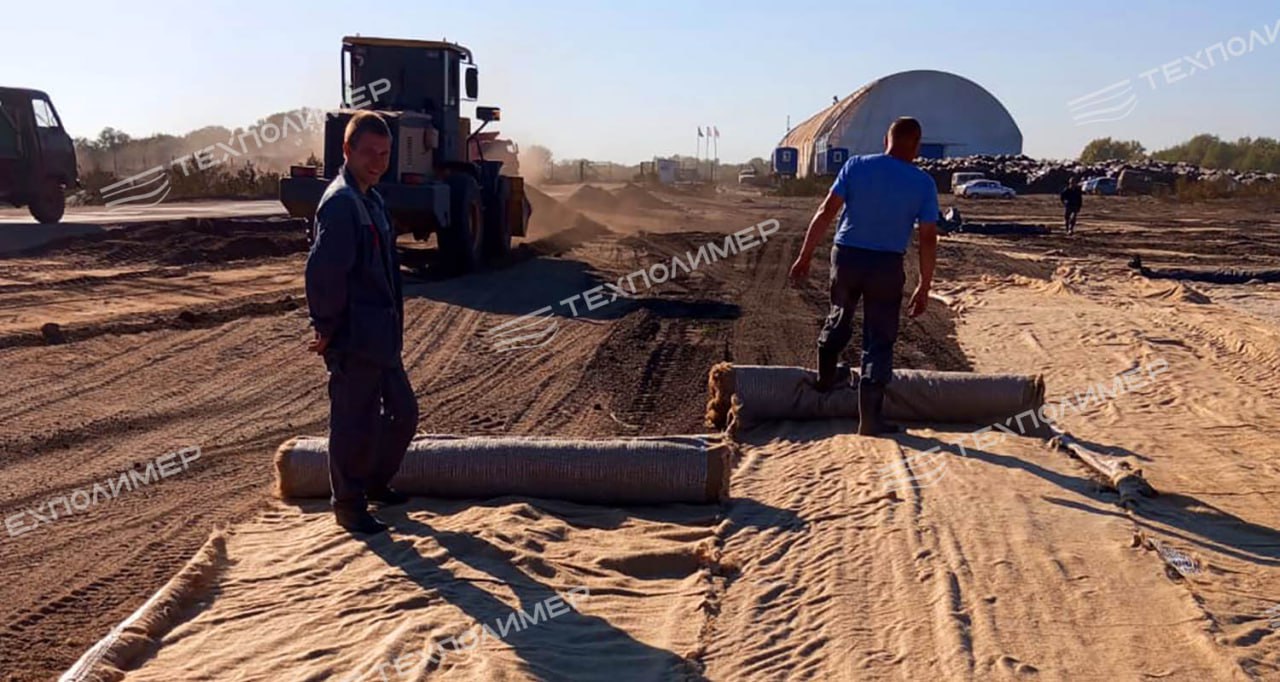
Environmental specialists from Samara State Technical University have completed the reclamation of the territories of the former Srednevolzhsky Chemical Plant in Chapayevsk and the distillery waste lagoon in the village of Rozhdestveno. These sites were included in reclamation projects through the national project "Ecology" and the federal programme "Revitalisation of the Volga".
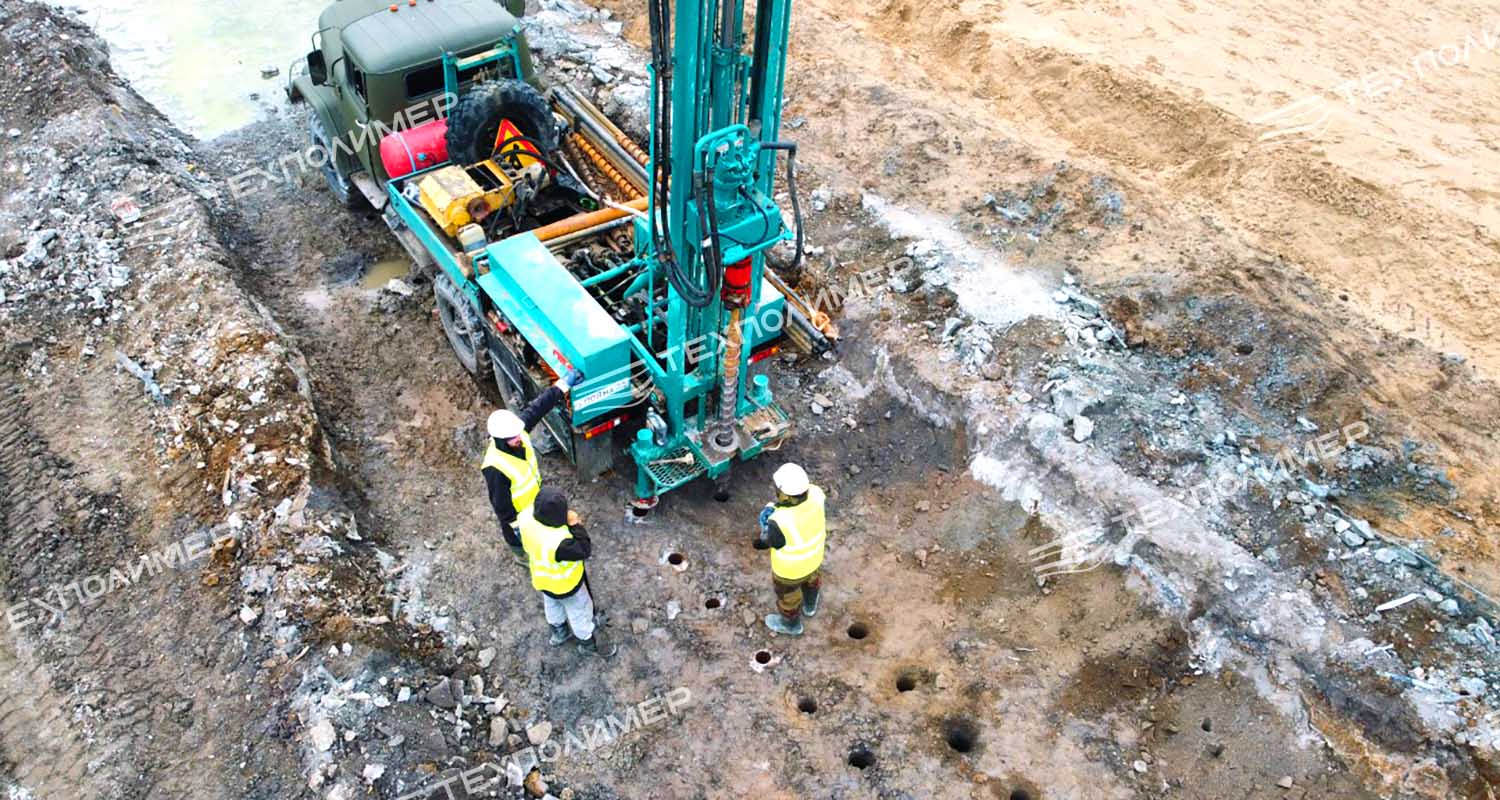
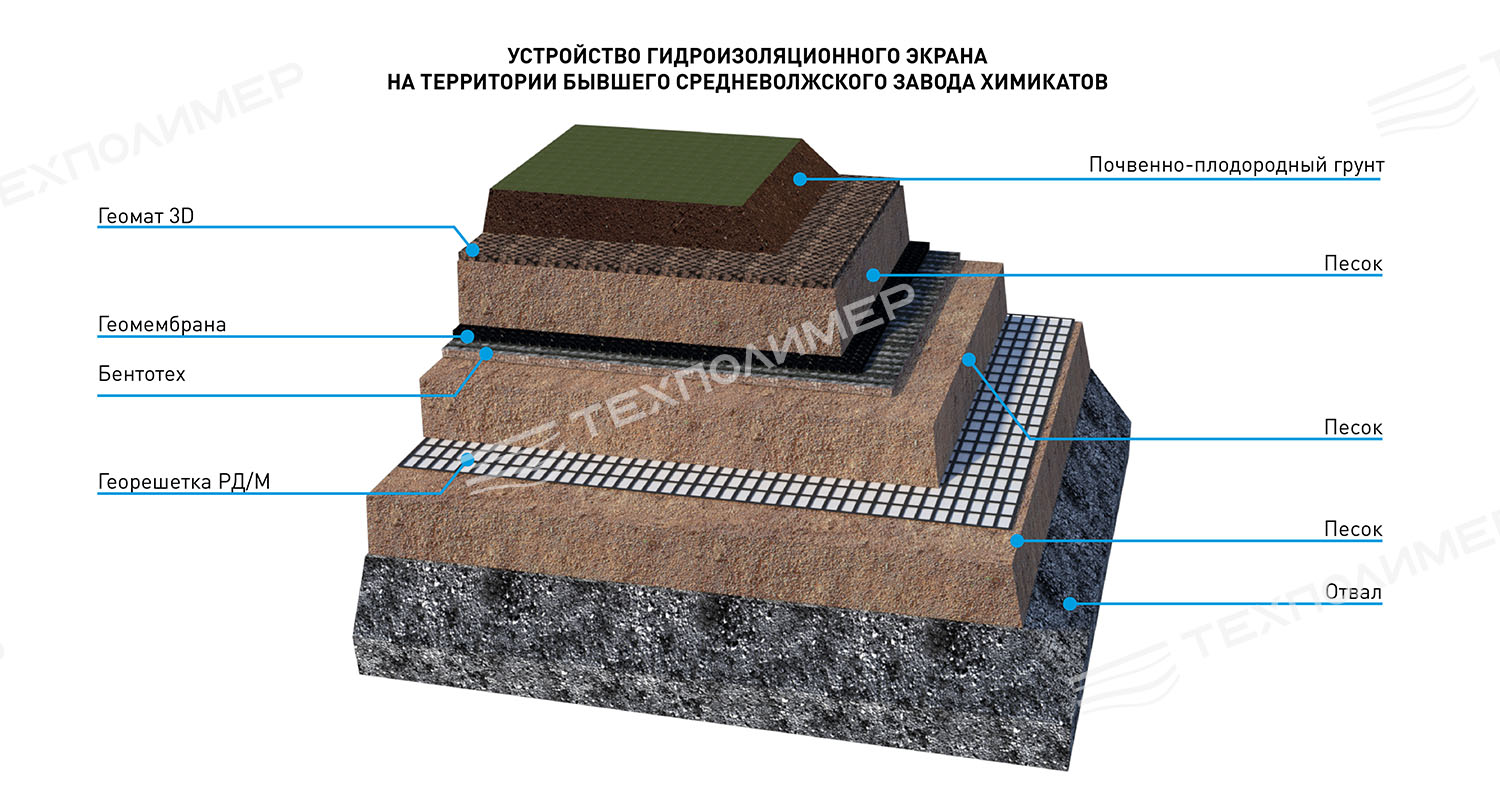
More than 400,000 tonnes of hazardous waste have accumulated at the site of the Srednevolzhsky Chemical Plant, which opened in 1911 and ceased operations in 2005. The jet-grouting technology (Jet-grouting) was used for the first time in the Russian Federation to contain hazardous soil. Thanks to this technology, a watertight soil-cement frame was constructed around the perimeter of the contaminated territory. The frame was built over two years using more than 4,000 piles drilled into the natural layer of dense Neogene clays. A waterproofing screen was installed on top. It consists of eight multifunctional layers (from bottom to top):
Layer No. 1: the levelling layer of sand is used to prepare the base for installing the low-permeability screen;
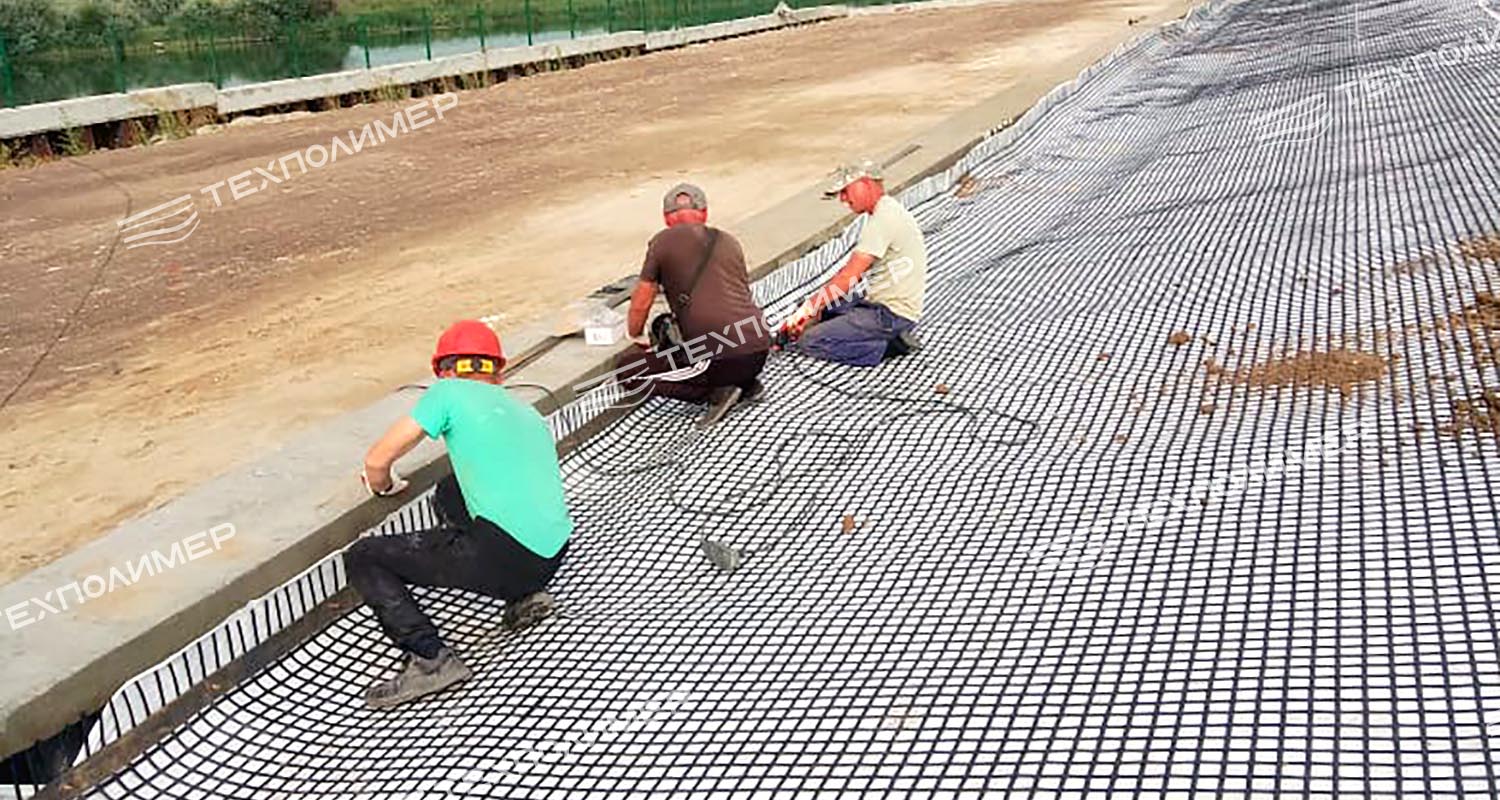
Layer No. 2: the reinforced road geogrid RD-60/M is used to prevent uneven soil settlement;
Layer No. 3: the levelling layer of sand is an inert material used to fill the geogrid; their combined action prevents shifting and deformation of the base;
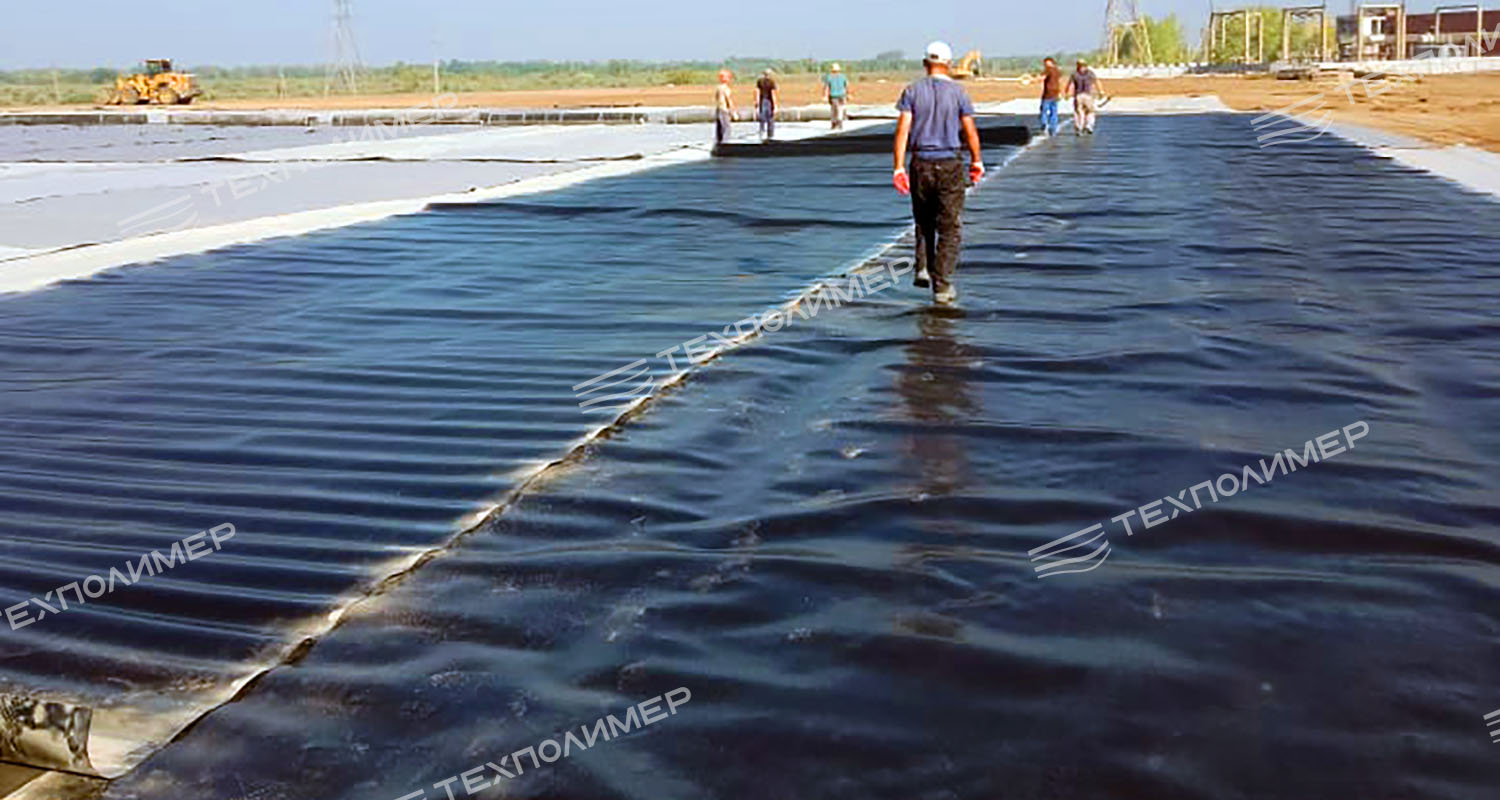
Layer No. 4: the bentonite mat Bentotech ASL-100 is used to isolate the waste from precipitation and contain leaks in the event of a geomembrane rupture;
Layer No. 5: geomembrane type 4/2 – a textured on both sides polymer sheet used to isolate the waste from precipitation through watertight welding;
Layer No. 6: the protective layer of sand protects the screen from UV radiation and provides ballast;
Layer No. 7: the erosion-control mat reinforced with a polymer-coated polyester geogrid Geomat 3D GMA is used to secure the upper layer of topsoil;
Layer No. 8: topsoil is used to strengthen the root system of grasses sown to form a turf layer.
To reclaim the waste lagoon in Rozhdestveno, the researchers used biothermal composting. This method, adapted for processing decomposing waste, made it possible to disinfect and neutralise the hazardous site. The soil was completely replaced, and the grass cover was restored using biomats – composite materials containing grass seeds.
These projects demonstrate successful experience in applying new technologies to eliminate environmental damage and restore degraded land.