
The 74.RU editorial team reported that a solid fence and construction facilities had appeared in central Chelyabinsk, near the Miass River. Sludge extracted from the bottom of the water body will be dried there. This site is temporary, as it serves as a facility for the rehabilitation of the Miass River under a contract concluded by the OGKU “CEM” through the end of 2028. The first stage of the work is planned to cover the section from Kommunar Pond to the CHGRES Pond.
The company that developed the project reports that 11 million cubic metres of sludge have accumulated along a 10-kilometre section of the Miass riverbed, filling two-thirds of the river with these deposits. In some places, they even rise above the water, turning the Miass into something resembling a swamp.
“Broadly speaking, there is no river in Chelyabinsk—it is more like a cascade of hydraulic structures: several dams in the city centre form large backwaters,” explained the director of the contracting organisation. “And a dam is an obstacle to sludge. It has been accumulating for the past 50 years, since these hydraulic structures were built, due to snow discharge and everything else...”
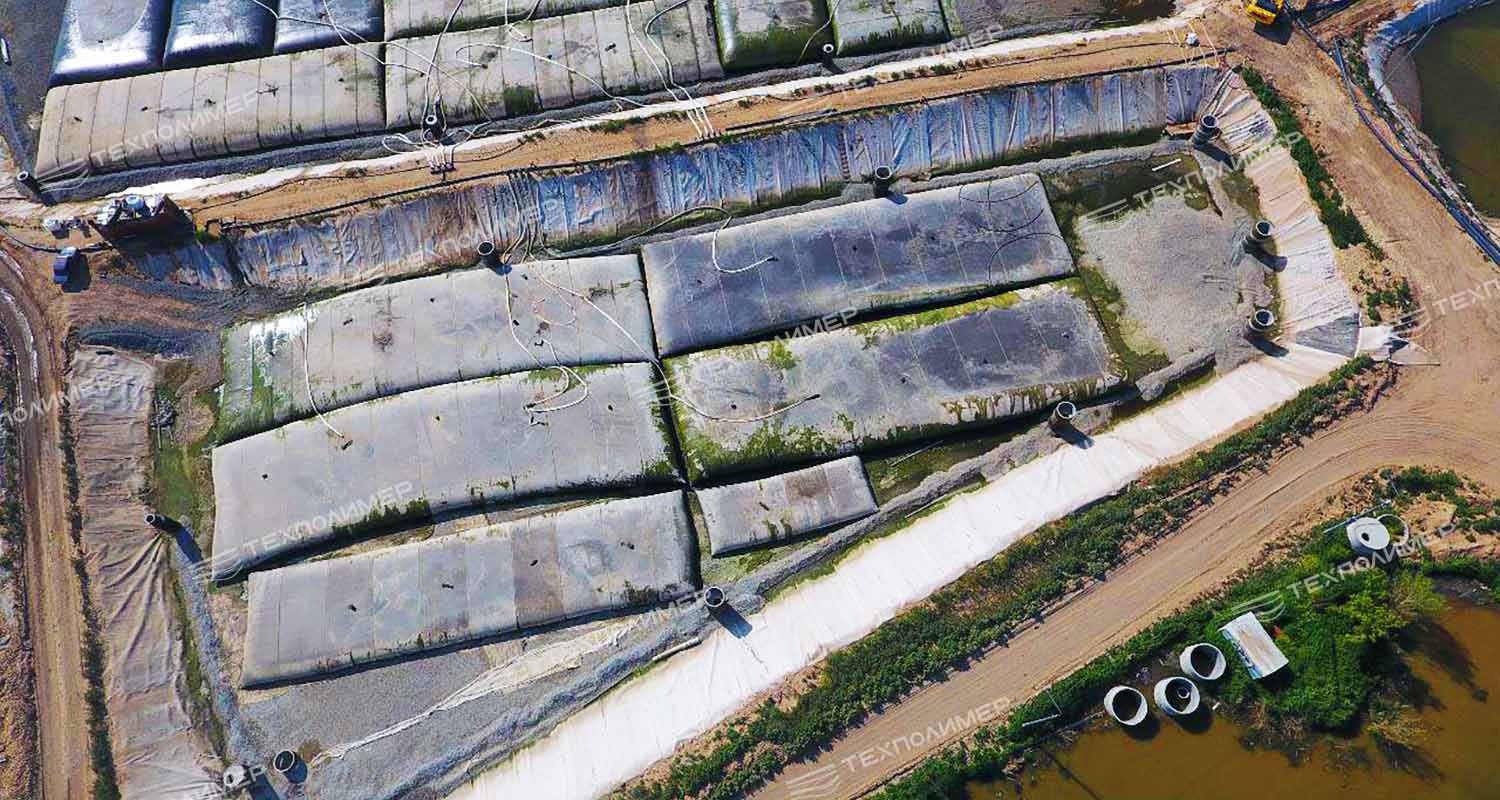
Two amphibious dredgers of the type that cleaned the river of waste and overgrowth a year and a half ago will be used, but they will be larger and more powerful. A special suction dredger will pump out the sludge and transfer it to the bank through pipes. To prevent this slurry from producing an odour in the city centre, it will be packaged in special geotubes—where it will settle with coagulants and dry over the course of a year. Seven million cubic metres of wet sludge are expected to produce 600–700 thousand cubic metres of dry material...
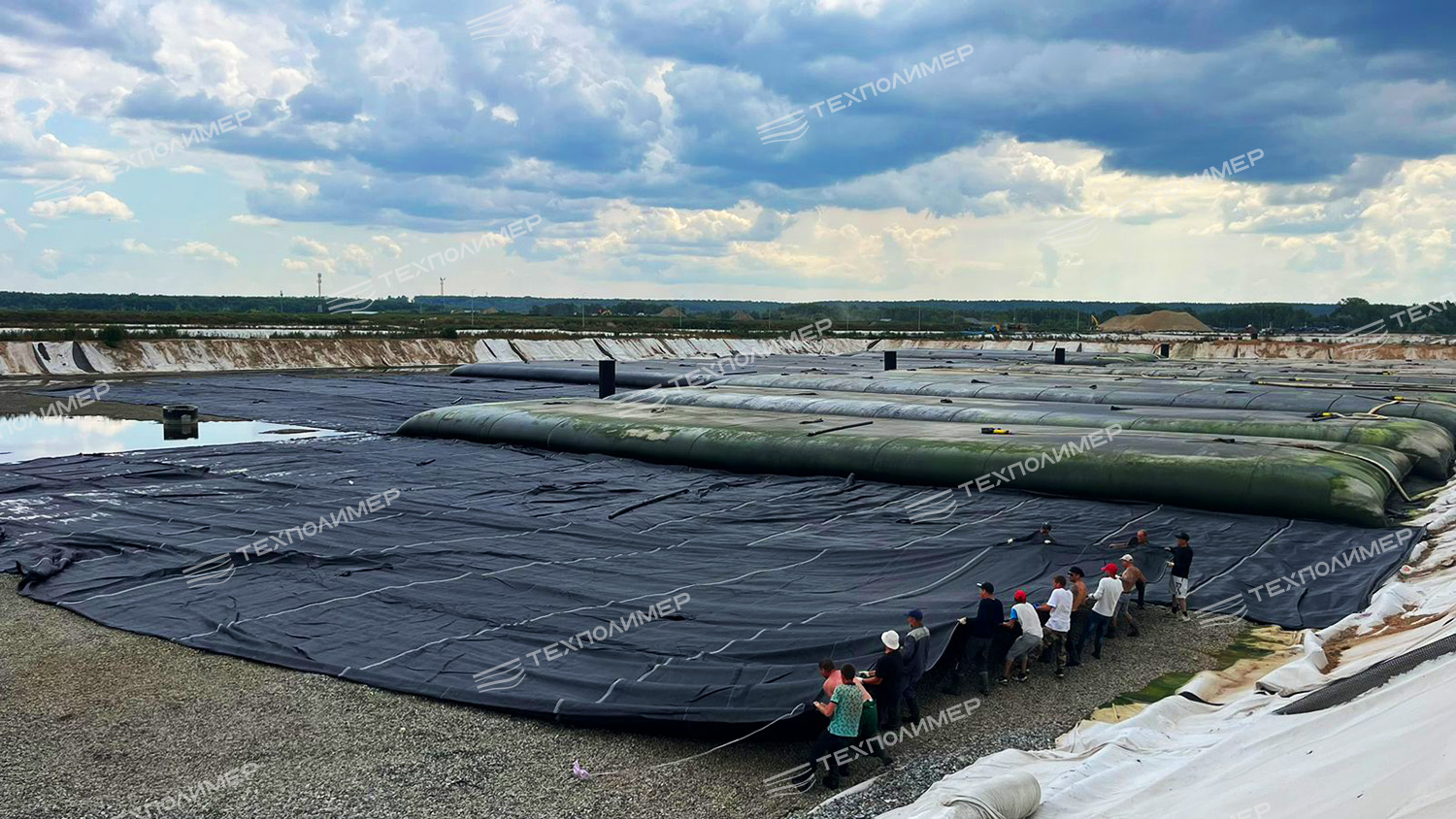
“We do not simply pour sludge onto the sites—it would produce an odour, which is unacceptable in the city. It will be collected in special textile containers (STO 56910145-016-2015) with a capacity of 400 to 1,000 cubic metres. In them, it will be squeezed like curd through cheesecloth,” the contractor explained figuratively. “The excess water will be sent to wastewater treatment facilities and then discharged back into the river. The sludge will remain in these geocontainers until it is fully dewatered, after which we will remove it. There were many questions regarding the quality of this sludge and whether it needed to be placed in a [waste] landfill. We conducted surveys and concluded that the sludge is of suitable quality and is not waste. Once dewatered, it will therefore be used for the reclamation of sludge beds at Chelyabinsk wastewater treatment facilities.
It is planned that the amphibious dredger will complete its work by the end of 2027, after which the contractor will need another year to remove the sludge and restore the storage sites to proper condition. One of the main reasons for the extended project timeline is the difficulty of finding sufficient space to store the sludge.
The work will be carried out during the warm season, excluding the fish-spawning period, which lasts from early May to mid-June. The work is not expected to alter the bottom relief or the contours of the banks.